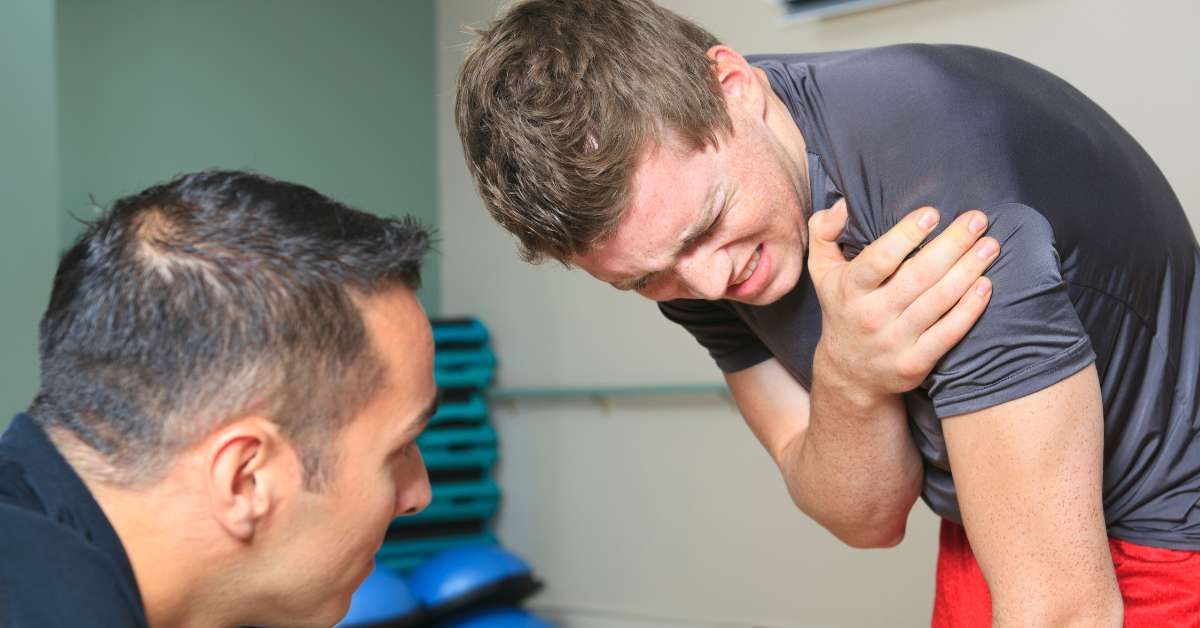

If you’ve ever wondered when to see a physical therapist after a sports injury, the short answer is sooner than most athletes think. What you do in those first few days makes a huge difference.
Wait too long, and a small issue can snowball into a bigger setback. See the right person early, and you’ll often cut your recovery time in half.
Let us help you know exactly when to make that call so you can get back to your sport sooner.
KEY POINTS
- Pain, swelling, or limited movement that lasts more than a few days after a sports injury is a sign you should get evaluated by a physical therapist before it worsens.
- Early intervention can shorten recovery time and lower the risk of re-injury by restoring strength, mobility, and proper movement patterns right from the start.
Common Injuries a PT Can Help With
According to the National Institute of Arthritis and Musculoskeletal and Skin Diseases (NIAMS), not every sports injury needs an ER visit, but many benefit from professional rehab.
A sports physical therapist can help with:
- Sprains and strains
- Tendonitis and bursitis
- Knee, ankle, shoulder, or hip pain
- Overuse injuries like shin splints
- Muscle imbalances that cause recurring pain
- Post-surgical recovery after ligament or tendon repair
These are the types of problems that, if left untreated, can linger for months or keep coming back.
Signs It’s Time to See a PT
If you’re not sure whether to push through or book an appointment, use these checkpoints:
- You can’t put weight on it.
If walking, running, or even standing is painful, don’t wait. This can signal a significant sprain, fracture, or ligament injury that needs immediate assessment. - You have major swelling or bruising.
Visible swelling, especially if it appears quickly, often means tissue damage that will heal better with guided treatment. - Pain keeps you from training or doing daily activities.
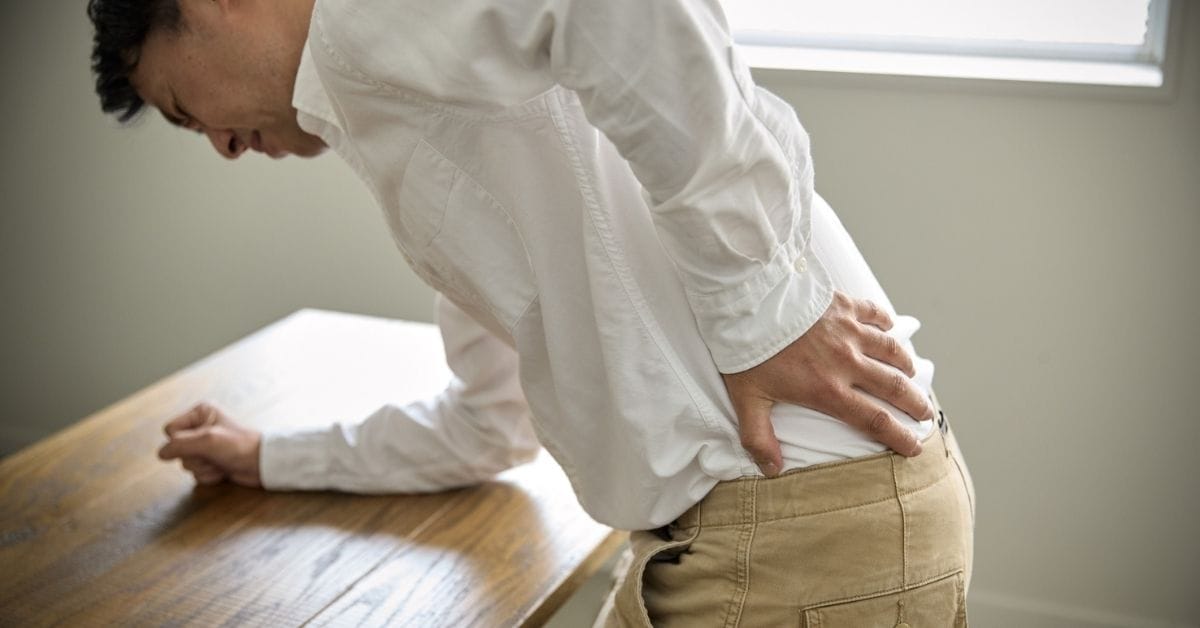
If you’ve had to skip practices or can’t handle normal tasks like stairs or carrying groceries, it’s time to see a professional. - The pain won’t go away.
Any discomfort lasting more than a few days, even if mild, can point to an injury that won’t heal on its own. - You’ve been “resting” for a while with no improvement.
Taking a week or two off without feeling better means the problem likely needs targeted rehab instead of just downtime. - You notice weakness or reduced range of motion.
If your knee doesn’t bend as it used to, or you can’t lift your arm overhead without pain, that’s a sign to act now.
Why Early Physical Therapy Works Better
The sooner you start rehab, the better your odds of making a full recovery and avoiding long-term issues.
Sports injuries don’t just heal in isolation. The rest of your body adapts to protect the injured area, often in ways that create new problems. Early treatment interrupts that cycle.
Starting physical therapy right away helps:
- Speed up healing by improving blood flow, reducing swelling, and stimulating tissue repair.
- Prevent compensations that lead to other injuries, such as limping that strains the hips or lower back.
- Restore strength and mobility before muscles weaken or joints stiffen from disuse.
- Fix the root cause, whether that’s poor movement patterns, muscle imbalances, or technique issues, so the same injury doesn’t keep coming back.
For athletes, those first weeks after an injury set the tone for recovery.
Getting into therapy immediately means you’re not just healing the injury; you’re building a stronger foundation to return to your sport with confidence.
What to Expect at Your First PT Session?
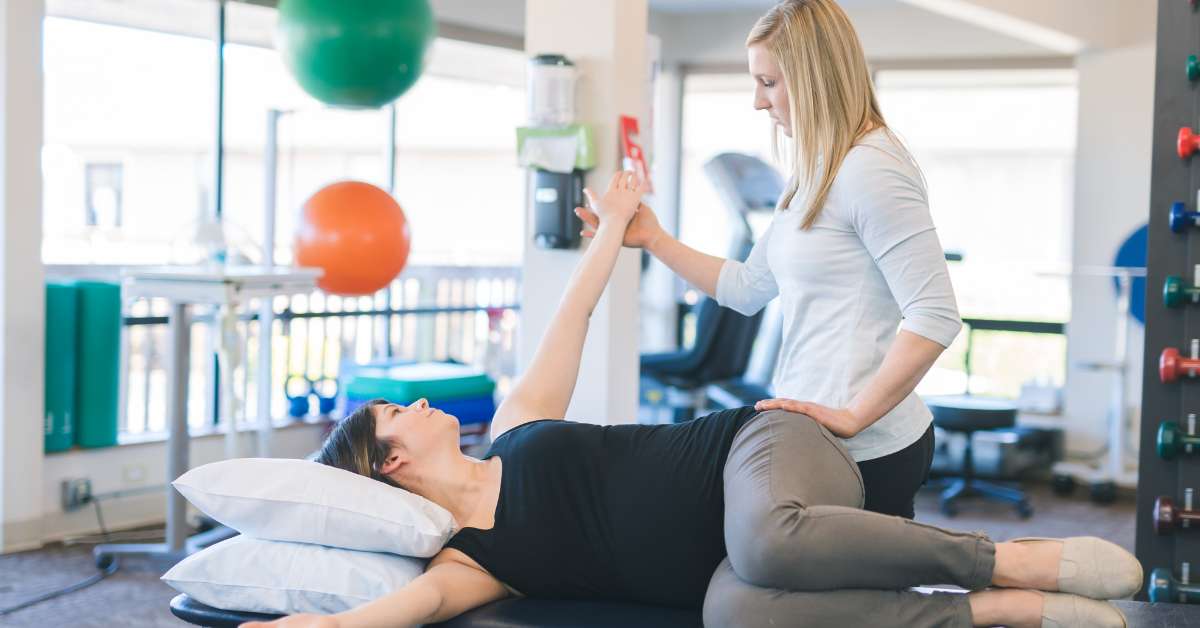
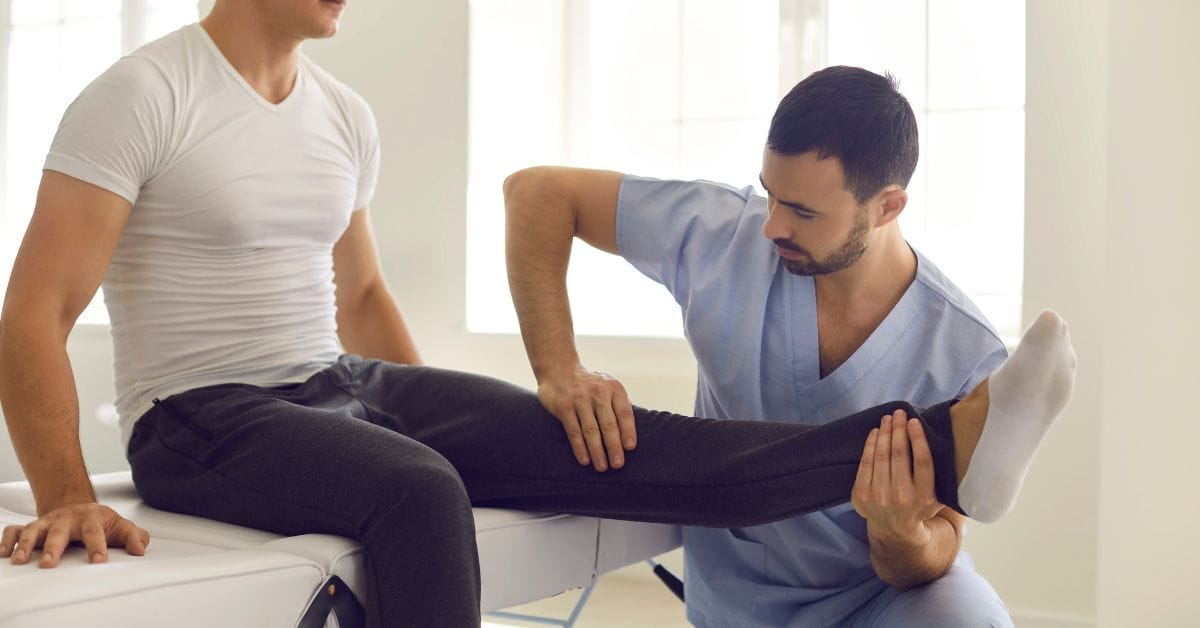
Your first visit isn’t just about the injured body part. A good sports PT will look at how you move overall, spot potential risk factors, and build a plan to get you back to full strength.
At Motion RX, that often includes:
- A detailed assessment of your injury and movement patterns
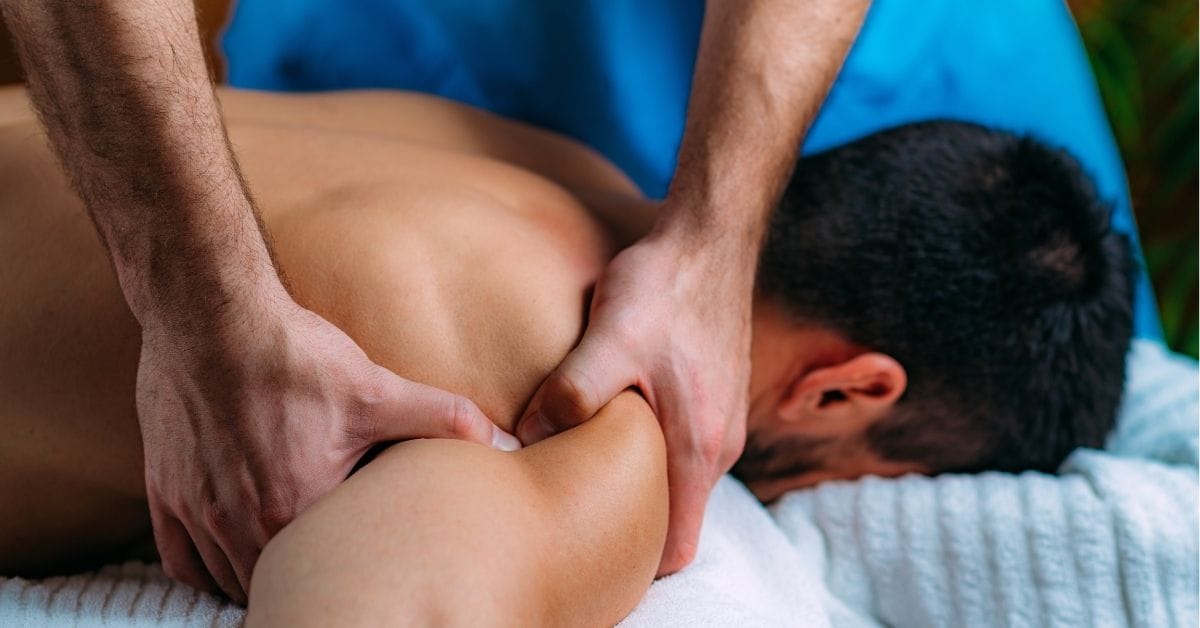
- Hands-on techniques to reduce pain and improve mobility
- A sport-specific exercise program to rebuild strength and stability
- Guidance on safe training while you recover
Don’t Wait on Pain
Pain that lingers or keeps you from performing at your best is your body telling you it needs help.
Seeing a physical therapist for athletes early can save you weeks of frustration and get you back in the game with confidence.
Book your session with Motion RX today and take the first step toward a safe, strong return to sport.
FAQ
1. Will physical therapy hurt if I start soon after an injury?
Early sessions are usually gentle and focus on reducing pain, swelling, and stiffness. Your therapist will only progress exercises as your body can handle them.
2. Is physical therapy worth it for a minor sports injury?
Yes, even mild injuries can affect how you move. Addressing them early can stop small issues from becoming chronic problems.
3. How many sessions will I need?
It depends on the type and severity of the injury, as well as your sport. Some athletes recover in a few weeks, while others need a longer program to return to peak performance.