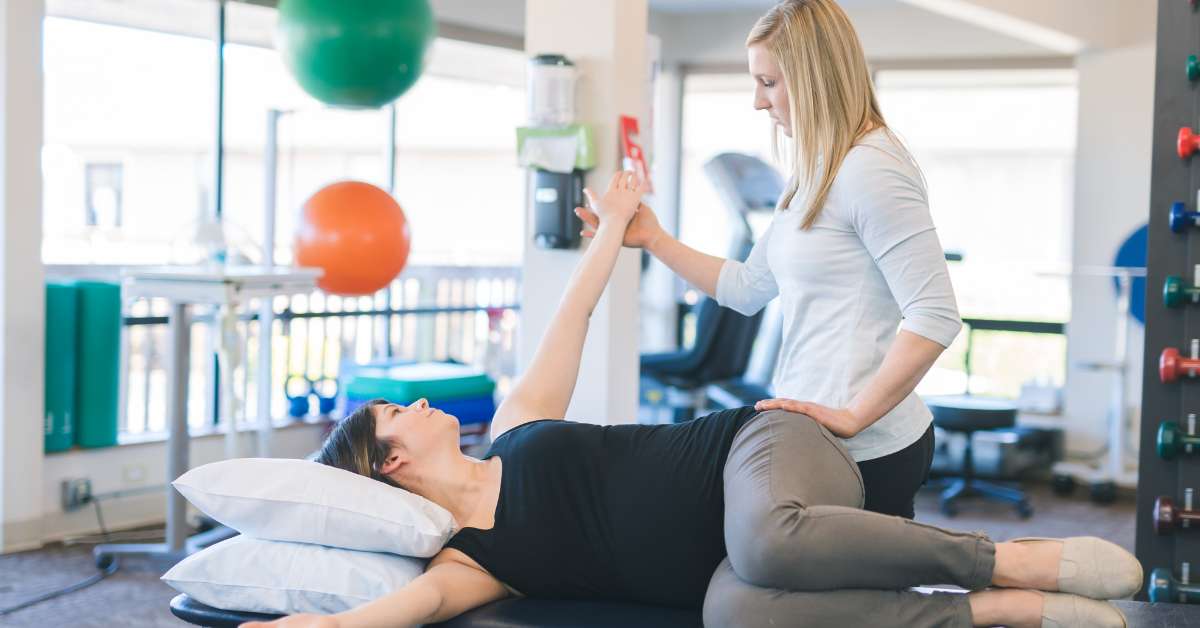

Physical therapy for frozen shoulder remains the primary conservative treatment in 2026 for restoring mobility and reducing pain without surgery.
Evidence-based physical therapy techniques for frozen shoulder focus on stage-specific mobility work, progressive strengthening, and structured physical therapy exercises that gradually restore capsular movement and shoulder function.
Frozen shoulder, also called adhesive capsulitis, progresses in predictable stages and can significantly limit daily activity. Understanding how rehabilitation adapts to each phase helps guide recovery safely and effectively.
KEY POINTS
- Physical therapy is the cornerstone of frozen shoulder treatment and should match the stage of the condition.
- Gentle, progressive mobility work followed by strengthening improves long-term range of motion and function.
What Is Frozen Shoulder?
Frozen shoulder is defined as a significant restriction of both active and passive shoulder motion without another intrinsic shoulder disorder.
It typically progresses through three stages:
- Freezing Phase (Painful Stage): Gradual onset of pain, worsening at night.
- Frozen Phase (Adhesive Stage): Pain may decrease, but stiffness becomes severe.
- Thawing Phase: Gradual return of mobility.
The condition can last months to years, but physical therapy can significantly improve pain and functional recovery
Why Is Physical Therapy Essential For Frozen Shoulder?
Clinical literature published in the Singapore Medical Journal emphasizes conservative management first.
Physical therapy has been shown to improve pain relief and restore functional motion, especially when combined with appropriate medical management.
The modern rehabilitation for frozen shoulder in 2026 focuses on:
- Stage-specific mobility restoration
- Capsular stretching without aggravation
- Scapular and rotator cuff strengthening
- Gradual progression of resistance
- Avoiding aggressive stretching early on
Overly forceful stretching in the early phase can worsen inflammation. Structured progression matters.

7 Physical Therapy for Frozen Shoulder Exercises That Help
Exercises should always be performed within a pain-tolerable range and adjusted based on the frozen shoulder stage. During the freezing phase, movements should remain gentle and short in duration.
As mobility improves in the frozen and thawing stages, hold times and resistance can gradually increase. The following exercises are commonly recommended in conservative management and supported by clinical and educational resources.
1. Pendulum Stretch
Stand and lean forward slightly, allowing the affected arm to hang toward the floor. Gently swing the arm in small circles (clockwise and counterclockwise), keeping the shoulder relaxed.
Doing this reduces joint stiffness without activating shoulder muscles aggressively, making it ideal in the painful freezing stage.
Tip: Perform for 30-60 seconds per direction, once or twice daily.
2. Towel Stretch
Hold one end of a towel behind your back and grasp the opposite end with your other hand. Use the unaffected arm to gently pull upward, creating a stretch in the affected shoulder.
It restores internal rotation, which is commonly limited in frozen shoulder and is essential for reaching behind the back.
Tip: Hold each stretch for 10-20 seconds without forcing movement.
3. Finger Walk
Stand facing a wall at arm’s length. Place your fingertips on the wall and slowly “walk” them upward, allowing your shoulder to elevate gradually. This exercise encourages controlled elevation while minimizing strain on the joint capsule.
Tip: Stop at the first point of resistance to avoid pushing into sharp pain.
4. Cross-Body Reach
Use your unaffected arm to gently lift the affected arm at the elbow and bring it across your chest. Apply light pressure to deepen the stretch. Doing this targets posterior capsule tightness, which contributes to restricted rotation and elevation.
Tip: Hold for 15-20 seconds and repeat several times daily.
5. Passive External Rotation
Using a stick or dowel, keep your elbows at your sides and gently push the affected arm outward with the unaffected arm’s assistance. The external rotation is often the most limited movement in adhesive capsulitis. Restoring it improves overall shoulder mechanics.
Tip: Maintain elbow contact with your torso to avoid compensation.
6. Scapular Retraction
Sit or stand upright. Gently squeeze your shoulder blades together without shrugging your shoulders upward. It maintains scapular strength and posture, preventing compensatory patterns that can worsen stiffness.
Tip: Hold each contraction for 5 seconds and repeat 10–15 times.
7. Isometric External Rotation
Stand beside a wall with your elbow bent at 90 degrees. Gently press the back of your hand against the wall without moving your arm. It helps build rotator cuff activation without joint movement, making it safe during limited mobility phases.
Tip: Hold for 5 seconds and repeat 10-15 times.
As mobility improves in the thawing phase, these exercises can progress by increasing hold duration, adding resistance bands, or incorporating light weights. Progression should always be gradual and guided by symptom response.

Other Physical Therapy Techniques for Frozen Shoulder
Beyond home exercises, in-clinic treatment may include:
- Joint mobilization techniques
- Capsular stretching protocols
- Moist heat application before stretching
- Isometric strengthening early
- Progressive resistance training during the thawing phase
When to Assess Your Shoulder
Frozen shoulder is frequently misdiagnosed as a rotator cuff injury or arthritis. Early evaluation helps ensure appropriate stage-based care.
If you’re experiencing progressive stiffness or night pain, it’s important to assess your shoulder to determine whether adhesive capsulitis is present and rule out other pathologies.
If you’re looking for individualized Clearwater physical therapy, treatment plans are built around your phase of recovery, symptom tolerance, and functional goals.
Start Physical Therapy for Frozen Shoulder and Regain Motion
Frozen shoulder can feel frustrating, especially when simple daily tasks become difficult or painful. While the condition often follows a long natural course, structured physical therapy for frozen shoulder can significantly improve mobility, reduce discomfort, and prevent long-term stiffness.
At MotionRx, frozen shoulder rehabilitation follows stage-specific protocols that prioritize capsular mobility, progressive strengthening, and measurable range-of-motion milestones.
FAQs
1. How long does frozen shoulder last?
Frozen shoulder can last 1-3 years if untreated, though structured therapy may accelerate functional improvement.
2. Should I stretch aggressively to regain motion?
No. Aggressive stretching in the freezing phase may worsen inflammation.
3. Do exercises actually help frozen shoulder?
Yes. Stretching and strengthening exercises are considered first-line management