
When it comes to dry needling vs acupuncture, many patients assume the two are essentially the same because they use similar-looking needles.
In practice, they are very different approaches with different goals, training backgrounds, and roles in pain management and recovery.
If you’re dealing with persistent pain, muscle tightness, or limitations in how you move, understanding this distinction matters more than you might think.
Choosing the right approach is less about the needle itself and more about what problem you’re trying to solve, how your body is responding, and what needs to happen next for long-term improvement.
KEY POINTS
- Dry needling and acupuncture may use similar needles, but they’re used for different reasons. One focuses on specific muscle and tissue problems tied to movement, while the other takes a broader, system-wide approach.
- The right choice depends on how your pain behaves. Pain that changes with movement often points toward dry needling, while symptoms that feel more general or less predictable may respond better to acupuncture.
Foundational Differences Between Dry Needling and Acupuncture
These two get compared a lot. Mostly because of the needles. Once you look past that, the way they’re used and what they aim to do aren’t the same at all.
Acupuncture
Acupuncture comes from Traditional Chinese Medicine and views the body as a whole, not just one tight muscle or sore joint.
Needles go into specific points along pathways called meridians. The aim is to affect how the nervous system responds and help things settle when the body feels out of sync.
People usually turn to acupuncture for issues like headaches, migraines, stress, trouble sleeping, nausea, or pain that doesn’t clearly change with movement.
The effects tend to feel more general. You may notice changes across your body rather than in one exact spot.
Dry Needling
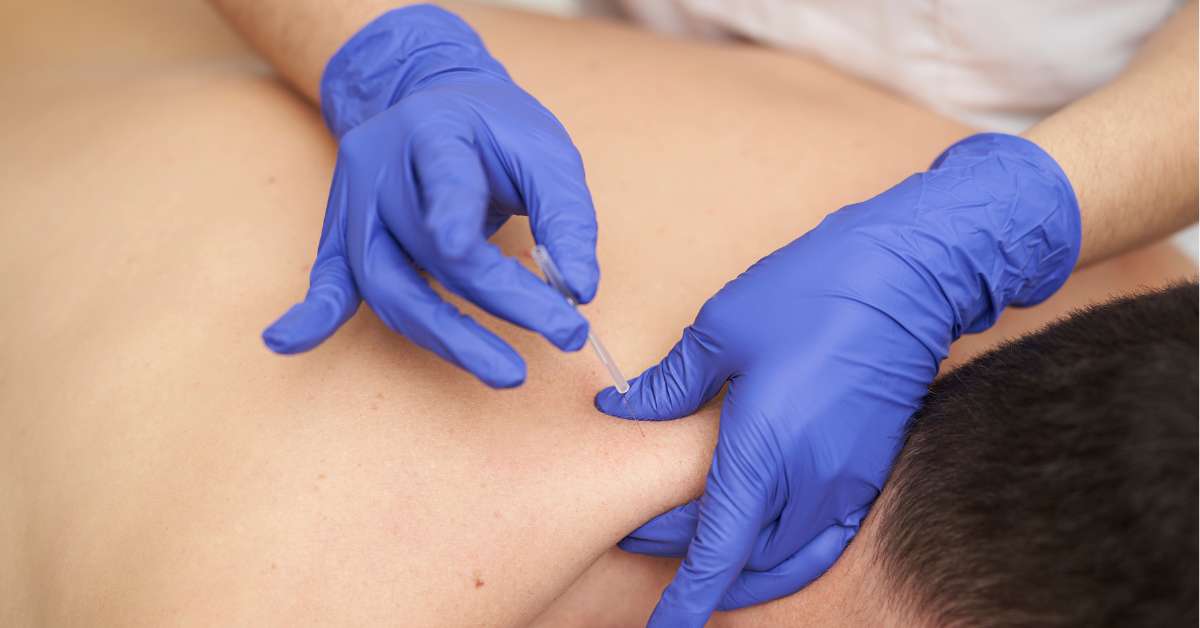
Dry needling comes from anatomy and how the body moves. In physical therapy, needles go straight into muscles, trigger points, or irritated tissue that’s limiting motion or causing pain.
The point isn’t overall balance. The point is changing how a specific muscle or area behaves. Tight tissue can calm down. Guarded muscles can let go. Blood flow improves.
Signals between the muscle and the nerve are cleaned up. When that happens, moving usually hurts less and feels more natural.
Where the Two Approaches Overlap More Than Most People Realize
Despite different frameworks, overlap exists. Both approaches often target tender or painful spots. That idea isn’t new, and it isn’t owned by one discipline.
According to the National Library of Medicine, a cross-disciplinary review of acupuncture, dry needling, and trigger point physiology found strong similarities in how painful areas respond to needling, despite differences in the language and reasoning behind each method.
The takeaway stays simple: similar tools can be used for different reasons, and outcomes depend more on context than labels.

How Dry Needling Fits Inside Physical Therapy Care
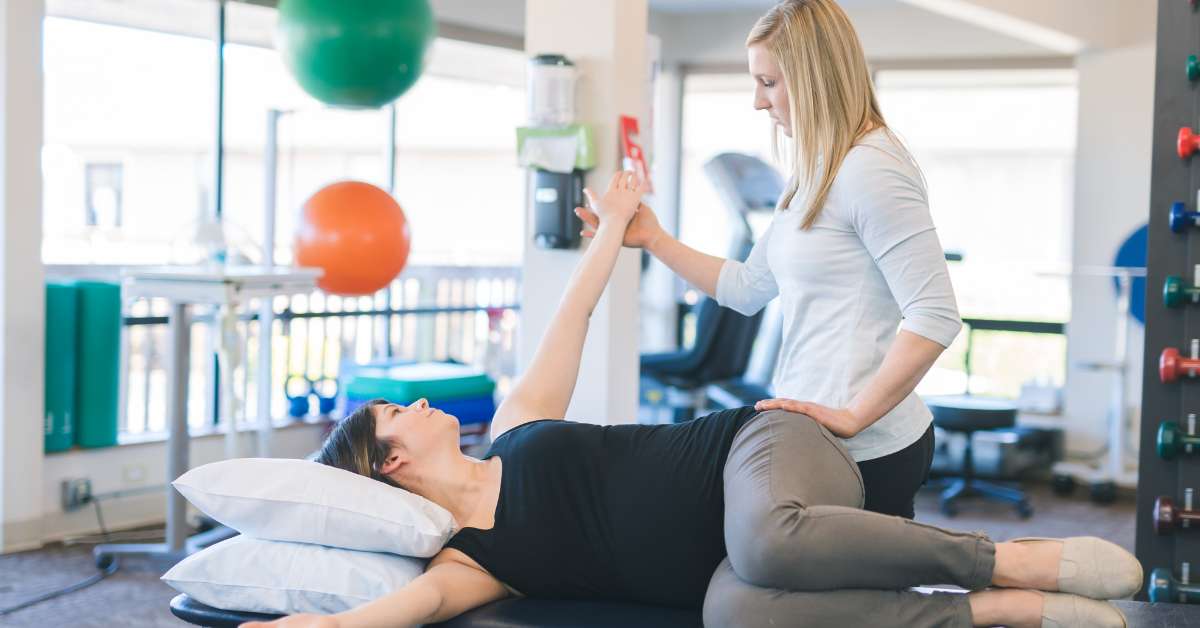
Dry needling rarely stands alone in physical therapy. It shows up when pain or tightness blocks progress. Muscles that won’t relax make strengthening harder. Guarded tissue can throw off movement patterns. Rehab stalls.
Needling helps clear that roadblock so movement work can actually work. Exercises feel more doable. Range improves. Load tolerance builds again.
That’s why dry needling usually sits alongside manual therapy, mobility work, and strength training.
Patients looking for advanced dry needling care in the Clearwater area often notice the biggest gains when the needle supports a bigger plan instead of acting as the plan.
How Providers Choose Between Dry Needling and Acupuncture
Certain patterns tend to guide decisions and appear consistently in the clinic.
Dry needling is often chosen when pain is clearly linked to movement. Symptoms that worsen during exercise, appear after sports, or limit strength and return to activity usually trace back to irritated or overactive muscle tissue.
In those cases, pain feels local and easy to pinpoint. Addressing that tissue directly can reduce resistance and help movement feel smoother again.
Acupuncture is more commonly used when symptoms feel less tied to movement and more spread out. Headaches, sleep issues, stress-related tension, or nausea don’t always follow clear movement patterns. Pain can feel harder to pin down and less predictable.
The goal shifts toward calming the nervous system rather than altering the behavior of a single muscle during activity.
Some people fall between these two categories and use both approaches at different points. What matters most is matching the method to the problem at hand, rather than trying to make one approach handle everything.

What Keeps Needling Safe?
Needles get most of the attention, but the person using them matters more.
Both acupuncture and dry needling are considered safe when done by someone properly trained. Problems usually don’t come from the tool itself. They come from poor judgment, shaky anatomy knowledge, or using a technique without a clear reason.
In physical therapy, dry needling is part of a broader assessment. How you move, where you load, which muscles overwork, and which ones avoid doing their job all factor into the decision.
The needle doesn’t get used just because a spot hurts. It gets used when that tissue is clearly getting in the way of movement or recovery.
Care led by licensed physical therapists keeps needling tied to movement, recovery, and function rather than using it as a standalone fix.
Make the Right Choice Between Dry Needling and Acupuncture
If you’re weighing dry needling vs acupuncture, the decision shouldn’t come down to guesswork or trial and error.
The difference usually becomes clear once someone looks at how your pain behaves, how it responds to movement, and whether muscle tissue is actually part of the problem.
At MotionRx, care is guided by licensed physical therapists who assess movement first and choose tools second. Dry needling is used when it supports progress, and other options are considered when they make more sense.
FAQs
Can I exercise the same day after dry needling?
Usually yes. Light movement is often encouraged. Heavy lifting may wait a day, depending on how your body responds.
Is soreness normal after a session?
Yes. Mild soreness can show up for a day or two, similar to post-workout muscle fatigue.
Do needles stay in longer with acupuncture than with dry needling?
Often, yes. Acupuncture needles are usually left in place longer, while dry needling may involve shorter or repeated insertions.