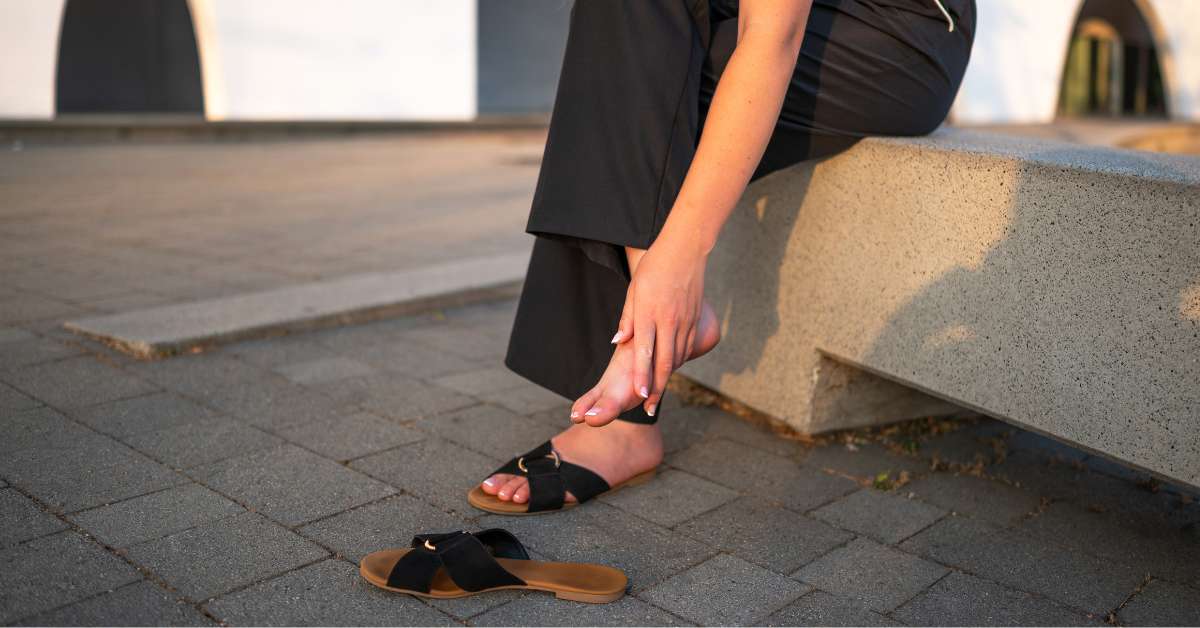

People often ask, is foot pain normal after walking, especially after a long day on hard floors or a big jump in daily steps? Mild soreness may occur occasionally.
However, ongoing or sharp pain that keeps coming back is not just “getting older”; it is usually your body flagging a problem that needs attention.
If you’re unsure when soreness is harmless and when it indicates the need for help, continue reading and compare your symptoms as you progress.
KEY POINTS
- Short-lived, mild soreness after unusually long walks can be expected; recurring, sharp, or one-sided pain is not “normal.”
- Where the pain sits (heel, arch, ball, toes), how long it lasts, and what makes it worse help point toward the cause and the right next step.
Common Reasons Your Feet Hurt After Walking
A bit of soreness after a longer-than-usual walk, new shoes, or a day on hard floors that settles within a day or two is usually just simple muscle fatigue.
According to the NHS, experiencing foot pain after walking often stems from a combination of factors, including load, footwear, and individual anatomy. A few frequent culprits:
Overuse and Irritation
Your feet take forces of two to three times your body weight with each step.
Long days on your feet, sudden spikes in daily steps, or standing for work all day can irritate joints, tendons, and soft tissue, especially if you have extra body weight or poor footwear.
Plantar Fasciitis (Heel and Arch Pain)
Many walkers with bottom-of-foot pain turn out to have plantar fasciitis.
Pain tends to sit near the heel or along the arch, often at its worst with the first steps in the morning or after sitting, then easing as you move.
The problem involves irritation of the thick band that runs from heel to toes.
Ball-of-Foot Overload
Burning or sharp aching in the ball of the foot after long walks can point toward metatarsalgia or a nerve irritation, such as Morton’s neuroma.
People often describe the feeling as “walking on a pebble.”
Tight or high-heeled shoes, as well as excessive forefoot loading, increase the risk.
Foot Structure and Shoes
Flat feet, very high arches, or toes that crowd the front of the shoe can all alter how pressure is distributed under the foot.
When that meets thin soles, worn-out cushioning, or fashion shoes, the soft tissues on the bottom of the foot work harder and start to protest.
Medical Conditions That Add Risk
Some health problems make foot pain after walking more likely or more serious, including:
- Osteoarthritis in the foot or ankle
- Diabetes, especially with nerve changes
- Gout
- Circulation problems
Individuals with diabetes or known nerve issues should have lower thresholds for seeking medical care when new foot pain develops.
How to Relieve Foot Pain After Walking All Day
When your feet ache after a full day on your feet, a few evidence-based steps can help bring relief:
- Off-load and elevate. Sit down and prop your feet up above heart level for 15–20 minutes. This helps reduce swelling and pressure that builds up over hours of standing or walking.
- Cold therapy. Rolling a frozen water bottle under the arch for 10–15 minutes can ease inflammation, especially along the bottom of the foot. Do not apply ice directly to skin.
- Gentle stretching. Calf stretches, toe pulls, and towel stretches targeting the plantar fascia help release tension that accumulates through the day. Hold each stretch for 20–30 seconds and repeat two to three times.
- Supportive footwear. Swap tight work shoes or flat footwear for a pair with cushioned arch support as soon as your shift ends. Supportive slides or recovery shoes reduce load on fatigued tissue.
- Over-the-counter relief. Anti-inflammatory medication such as ibuprofen can help with short-term soreness, but is not a substitute for addressing the underlying cause if pain keeps returning.
If these measures do not bring noticeable improvement within 48 hours, or if pain is strong enough to change the way you walk, a professional assessment is the safer next step.
How to Make Your Feet Feel Better After Walking All Day
Beyond immediate relief, a few habits done consistently make a real difference in how your feet feel by the end of a long day:
- Foot soaks. Soaking in warm water for 15–20 minutes loosens stiff muscles and joints and can be especially soothing after concrete or hard-floor shifts.
- Self-massage. Using your thumbs or a massage ball to work through the arch, heel, and ball of the foot improves circulation and reduces muscular tension. Spend two to three minutes on each foot.
- Compression socks during the day. Mild compression helps manage swelling in people who stand for work. Putting them on before your shift rather than after gives the most benefit.
- Replace worn footwear. Most running and walking shoes lose meaningful cushioning after 400–500 miles or 6–12 months of regular use, whichever comes first. Worn-out soles increase the load on soft tissue significantly.
- Strengthen the feet and calves. Simple exercises such as towel scrunches, single-leg calf raises, and short-foot drills build the muscular support that takes stress off passive structures like the plantar fascia and joints.
Upper Foot Pain After Walking
Pain on the top of the foot — rather than the heel or arch — is less commonly discussed but worth taking seriously. Common causes include:
Extensor tendinopathy
The tendons that run along the top of the foot and lift the toes can become irritated from tight laces, shoes with a stiff upper, or repetitive uphill walking. Pain tends to sit in a band across the midfoot.
Stress reactions
The metatarsal bones on the top of the foot can develop stress reactions or fractures with sudden increases in walking volume. Pain that is sharp, localised to one spot on the top of the foot, and worsens with activity is a reason to get imaging rather than push through.
Tight footwear
Laces tied too firmly or a low toe box that squeezes the top of the foot can create pressure pain that mimics a structural problem. Loosening laces across the midfoot often provides immediate relief.
Nerve irritation
Branches of the peroneal nerve run across the top of the foot. Compression from tight shoes or repetitive dorsiflexion can produce burning or tingling along the upper foot rather than classical arch pain.
If upper foot pain develops suddenly, is tender to the touch at a specific point on the bone, or does not settle within a week, have it reviewed to rule out a stress fracture.
Why Do My Feet Hurt When Walking?
Foot pain during or after walking usually comes down to one of three things: load, structure, or footwear — and often a combination of all three.
- Load refers to how much walking you do and how quickly volume changes. Jumping from mostly sedentary days to extended walks puts sudden demand on tendons, joints, and the plantar fascia before they have had time to adapt.
- Structure includes factors such as flat feet, high arches, leg length differences, or altered gait mechanics that shift pressure unevenly across the foot. These do not always cause pain on their own, but they become relevant when load increases.
- Footwear acts as the interface between your foot and the ground. Shoes that are too flat, too narrow, too worn, or poorly matched to your foot shape amplify structural and load problems rather than buffer them.
Other contributors include age-related changes to the fat pad under the heel, tightness in the calf and Achilles that increases plantar fascia strain, and medical conditions such as osteoarthritis or diabetes that affect how tissue responds to stress.
Understanding which factor is driving your pain is more useful than generic advice, because the fix for a high-arched foot in worn trainers is different from the fix for a flat foot doing too many steps too soon.
Surviving a Long Day on Your Feet: What Actually Helps
If you regularly work long shifts or spend extended hours standing and walking, managing foot fatigue is about preparation, not just recovery.
- Anti-fatigue matting. If you stand in one place for part of your shift, a thick anti-fatigue mat measurably reduces muscle fatigue and discomfort in the feet, knees, and lower back compared with standing on hard floor.
- Movement breaks. Sustained static standing is often harder on the feet than walking. Short movement breaks every 30–45 minutes allow the plantar fascia and calf muscles to reset and prevent fluid from pooling in the lower leg.
- Mid-shift shoe changes. For very long shifts, alternating between two pairs of supportive shoes — even of slightly different heel heights — varies the load pattern and reduces cumulative stress on any one area.
- Hydration. Mild dehydration affects tissue resilience and can contribute to cramping in the foot and calf. Maintaining fluid intake through a long shift is a simple but often overlooked factor.
- Progressive conditioning. If a new job or lifestyle change has significantly increased the time you spend on your feet, plan a gradual increase over several weeks rather than jumping straight to full hours. Tendons and joints adapt more slowly than cardiovascular fitness.
Signs That Your Foot Pain After Walking Is Not Normal
Foot pain moves into “get checked” territory when you notice:
- Pain that lasts more than two weeks without clear improvement
- Pain so strong that you limp or avoid putting weight on the foot
- Sudden swelling, warmth, or redness in one area
- A visible change in foot shape or a sense that something “snapped” at the time of injury
- Numbness, tingling, or burning on the bottom of the foot
- Any new foot pain if you live with diabetes
Those signs raise concern for problems like stress fractures, significant soft-tissue injury, nerve issues, or infection, all of which need medical review.
How Can Physical Therapy Help Persistent Foot Pain?
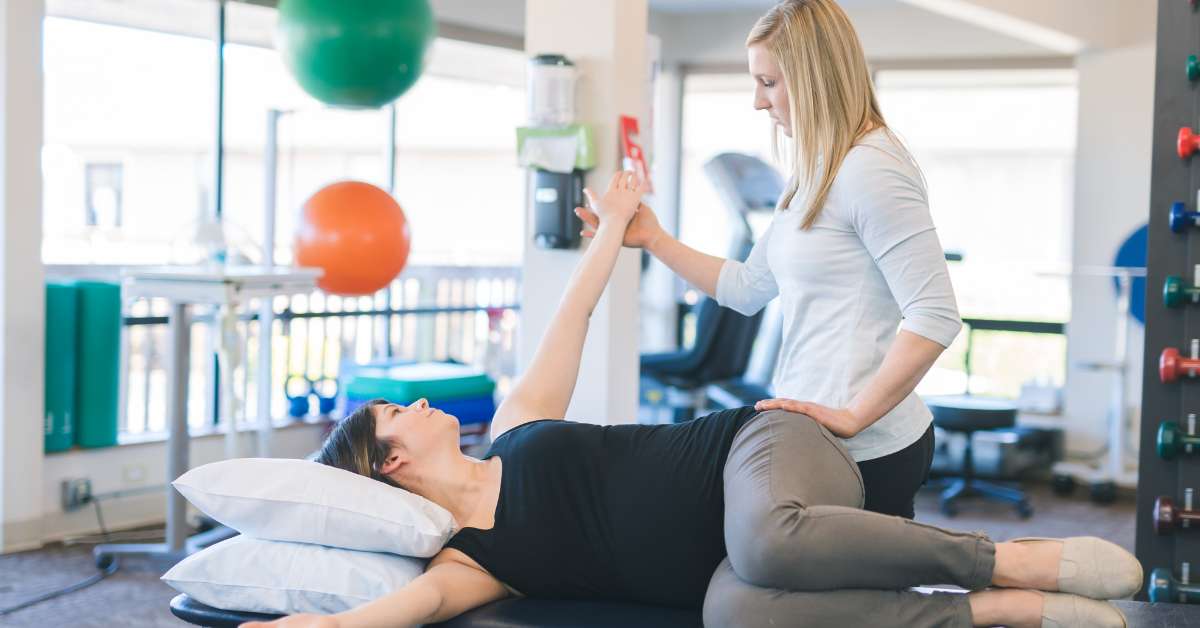
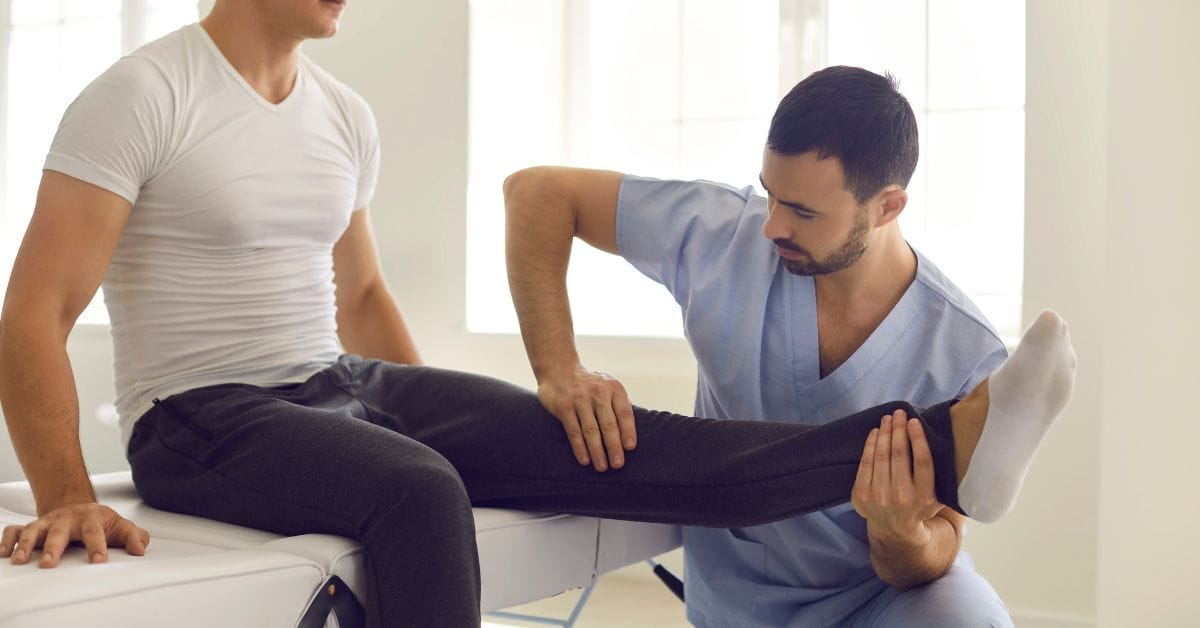
When foot pain keeps returning after walks, the goal shifts from short-term relief to finding out why your feet are overloaded. A physical therapist can:
- Look at foot posture, gait, and overall alignment
- Test strength and flexibility from the hips down to the toes
- Identify whether plantar fascia, tendons, joints, or nerves are driving the pain
- Build a plan that mixes load management, targeted exercises, and shoe or insole advice
That mix often reduces pain and builds resilience, so normal walking no longer sets symptoms off. If you are comparing options and want guided rehab rather than just medication or rest, a clinic with strong musculoskeletal and gait expertise is a sensible next step.
Don’t Wait for Foot Pain to Become a Bigger Problem
Foot pain that keeps showing up after walks is not just an annoyance. It is your warning that something in the way you move, stand, or load your feet is breaking down under stress.
Waiting months while you ice, stretch, and swap shoes without a clear plan can turn a simple issue into a longer-lasting problem.
At Motion Rx, you work one-on-one with a physical therapist who looks at how your foot moves, how you load it on hard floors or hills, and what your current strength and mobility actually are.
You leave with a clear plan for pain relief, better support, and gradual conditioning so walking feels like a normal part of your day again, not something you have to brace for.
FAQs
How long should foot pain last after a long walk?
Soreness that eases within 24 to 48 hours and gets better each day usually points to simple fatigue. Pain that stays the same or worsens over several days, or keeps returning with shorter walks, needs a professional look.
Is it safe to keep walking if my feet hurt?
Light, short walks are often fine if pain stays mild and does not change your stride. Pain that makes you limp, avoid putting weight on part of the foot, or stop early means you should cut back and get checked.
Do I need new shoes if my feet hurt only after walking at work?
Quite often, yes. Worn soles, poor arch support, or a narrow toe box can all stress the bottom of the foot over hours of standing and walking. If workdays always trigger pain, review both your shoes and how old they are.