
The right hip impingement physical therapy plan can pull you out of that nagging groin pain, restore real mobility, and keep you off the surgery table for years. The wrong one, or no plan at all, can drag it out and quietly make the joint worse.
If sitting too long, climbing stairs, or getting in and out of the car sends a pinch deep in your hip, your joint is asking you to change something. Generic stretching videos and gym programs usually do not. A targeted plan does.
Here is what hip impingement actually is, what to stop doing today, and how good physical therapy gets you back to moving without the pinch.
KEY POINTS
- Hip impingement pain usually comes from extra bone on the femur or pelvis that pinches the labrum when the hip is loaded into combined flexion, adduction, and internal rotation. Common gym moves like deep squats, leg presses, and knees-to-chest stretches load that exact position.
- A focused physical therapy plan rebuilds hip and glute strength, resets posture habits that increase the pinch, and improves mobility around the joint, not into it. Most people feel real change within six to twelve weeks.
What Hip Impingement Actually Feels Like
Hip impingement is a bony mismatch in the joint that pinches soft tissue every time you bend the hip deeply. The medical name is femoroacetabular impingement syndrome, or FAIS. You do not need to memorize it.
According to a 2021 review in the Journal of Athletic Training, nonoperative care for FAIS works on four central goals at once: postural alignment, core strength and endurance, hip strength and motor control, and functional range of motion. That framework is what good physical therapy actually follows.
Common signs:
- Sharp or dull pain in the groin or front of the hip
- Pain when sitting, driving long stretches, or getting up from low chairs
- A pinch when climbing stairs, deep squatting, or pulling your knee to your chest
- Stiffness when rotating the leg inward
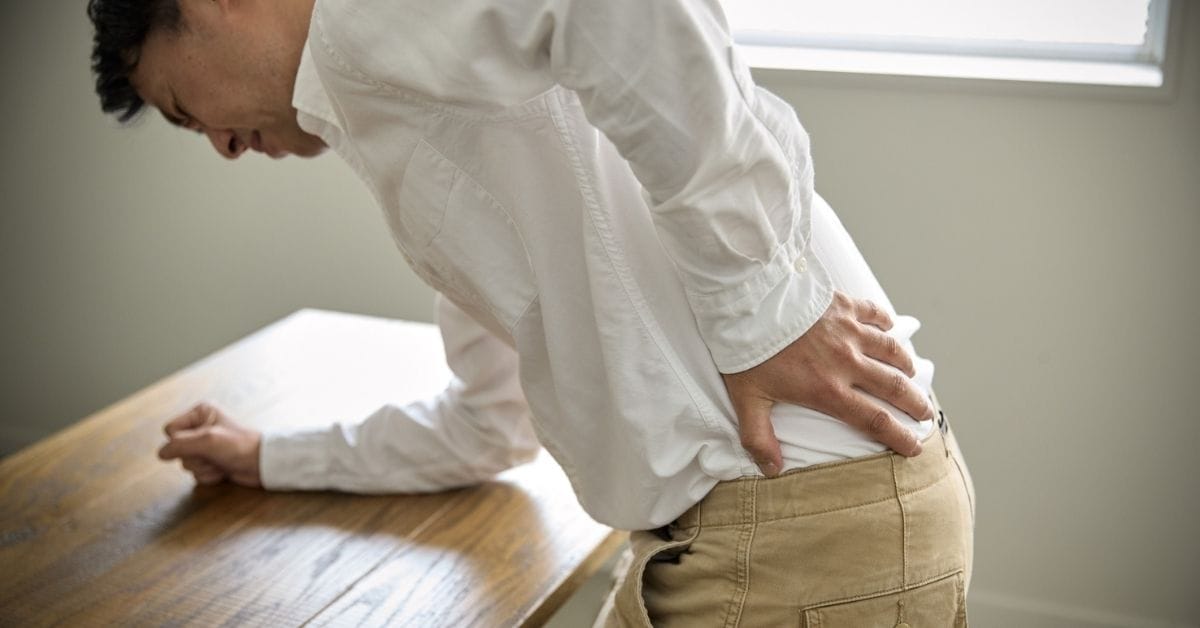
A telltale: many people make a “C” with their thumb and fingers and place it on the front of their hip when describing the pain. If that sounds like you, your joint is likely the source, not your back. It is one of the most common reasons active adults search for physical therapy Clearwater FL providers can actually deliver on.

The Four Things to Stop Doing Today
Most people aggravate their hips without knowing it. The common culprit is loading your hip into combined flexion, adduction, and internal rotation, which is the exact position that pinches the joint.
| Activity | Why does it make things worse |
| Deep squats and leg press | Drives the hip into the pinch position under load |
| Aggressive hip flexor stretches | Pulls the front of the joint into more impingement, not less |
| Knees-to-chest stretches | Same problem, just done on the floor |
| Cross-legged sitting and slouched cycling | Holds the hip in that combined position for long stretches |
You do not have to quit the gym or stop riding. You do have to change how you load the hip while it heals.
What Hip Impingement Physical Therapy Actually Does
Good hip pain therapy follows the four principles supported by research. Your plan should touch all of them.
1. Reset Postural Alignment
Many people with hip impingement sit and stand with an anterior pelvic tilt, which compresses the front of the hip. Your therapist watches how you carry your pelvis and teaches you how to find a neutral position at the desk, in the car, and under load.
2. Build Core Strength and Endurance
Your trunk is the platform your hip pushes off of. Planks, bird-dogs, dead bugs, and bridging exercises appear in nearly every evidence-based FAIS protocol, with most programs lasting about 8 weeks before gains transfer to the hip.
3. Build Glute and Deep Hip Strength
Weak glutes are common in hip impingement. Without them, smaller muscles around the joint take over and tighten the pinch. Side planks, banded bridges, clamshells, side-stepping with a band at the feet, and step-downs are the workhorses here.
4. Improve Mobility Around the Joint
You stretch the muscles around the hip, not the joint itself. Think t-spine rotation, ankle mobility, and the back of the hip. Stretches are usually held for 15 to 30 seconds and done once or twice a day. More joint flexion just feeds the pinch.
How to Tell Physical Therapy Is Working
You should notice a change in stages. Honest progress looks roughly like this:
- Weeks 1 to 2: sharp pinches happen less often
- Week 6: pain in the affected hip drops to 0 to 2 out of 10
- Weeks 6 to 12: you can train, walk a distance, and rotate without symptoms
If you are not seeing that arc, the plan needs to be adjusted. A qualified PT will rework it instead of telling you to just keep going. If symptoms have not resolved within three to six months of consistent conservative care, it may be time to talk to a surgeon.
Take the Next Step Toward Lasting Hip Relief
Hip pain is not a personality trait. It is a fixable signal, and the right plan changes it faster than most people expect.
At Motion Rx, we work with you one-on-one to map out what is actually pinching, what to load, and what to back off from, and how to keep training while the joint settles. No cookie-cutter exercise sheets. No twelve-people-deep group classes.
FAQs
Can hip impingement be fixed without surgery?
Often, yes. Research has shown that around 70% of younger active patients can be successfully managed with structured therapy, activity modification, and rest. Surgery is usually reserved for cases that have not improved after three to six months of consistent conservative care.
Should I stop running or playing sports while I rehab?
Probably not entirely. Most active people can keep moving by swapping the most aggravating positions, like deep cycling drops or heavy back squats, for hip-friendly alternatives. Your PT can map out what to keep and what to pause.
Will the bone spurs go away with physical therapy?
No. PT does not reshape bone. It teaches your hip to move around the existing bone instead of into it, which is what actually reduces the pinch. That is why so many people feel real improvements even though the X-ray looks the same.