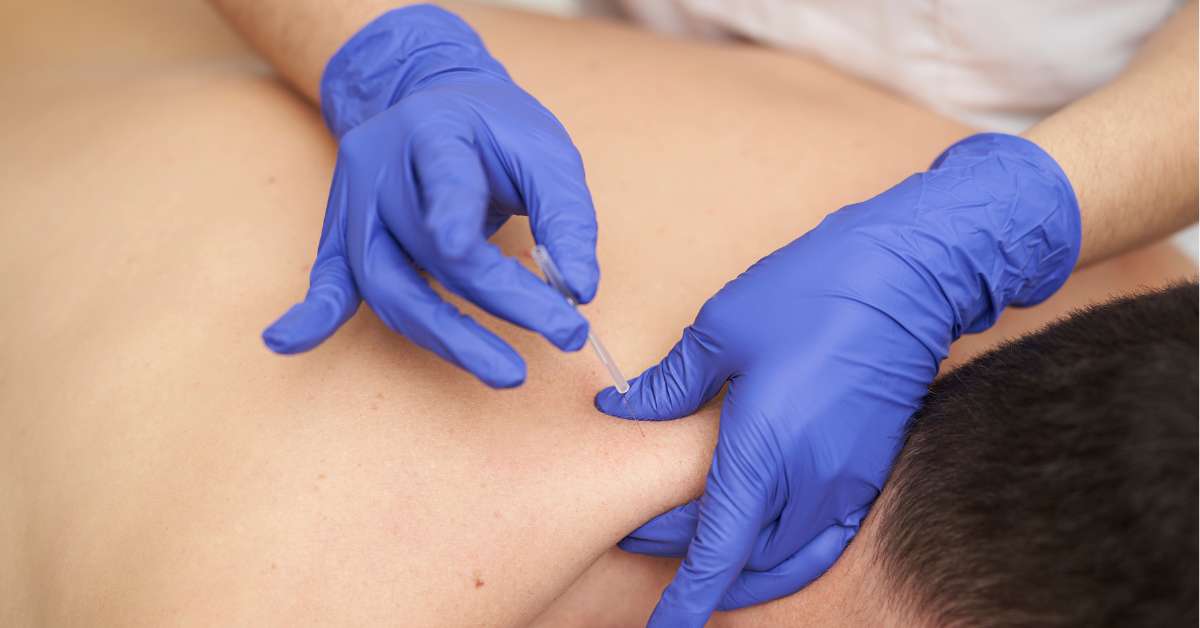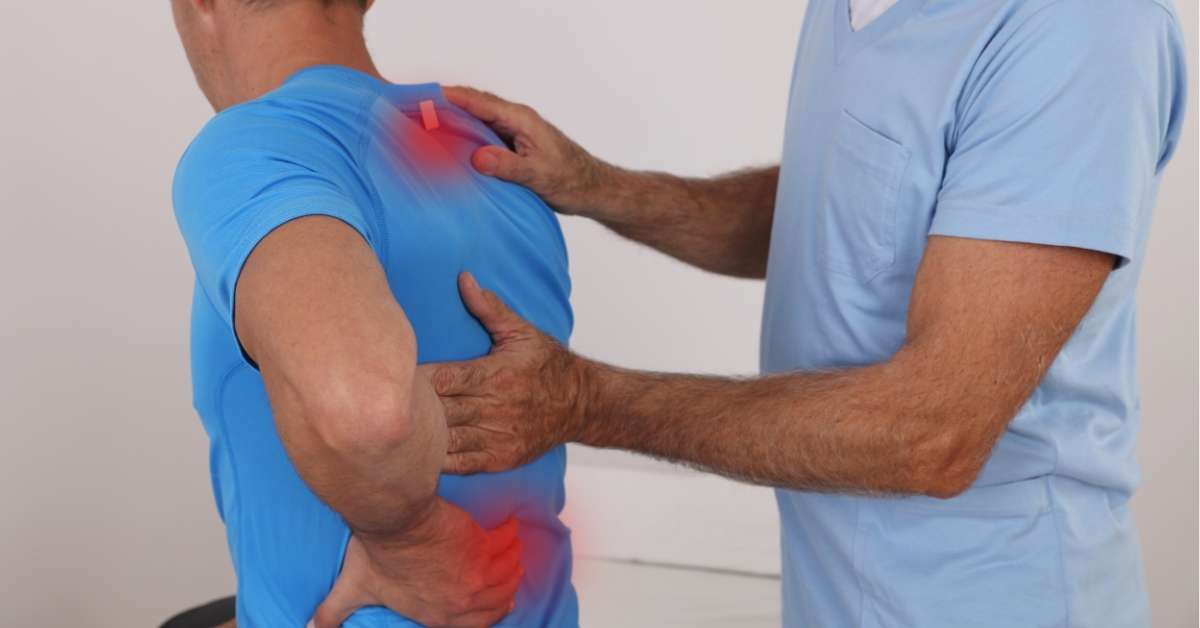

Physical therapy for shoulder impingement is the primary treatment recommended in 2026 for restoring mobility and relieving pain without surgery.
Effective shoulder impingement therapies focus on improving biomechanics, strengthening the rotator cuff, and correcting movement patterns through structured shoulder impingement physical therapy programs designed to reduce compression and restore overhead function.
If shoulder pain is limiting your lifting or overhead movement, understanding how structured rehabilitation works can help you recover with confidence.
Below, we’ll outline what causes impingement and how targeted shoulder impingement physical therapy restores strength and mobility.
KEY POINTS
- Physical therapy is the first-line treatment for shoulder impingement. Structured rehabilitation improves mobility, strength, and overhead control without relying on surgery.
- Long-term relief requires correcting movement mechanics. Recovery focuses on restoring proper shoulder function and rebuilding load tolerance, and not just reducing pain.
What Causes Shoulder Impingement?
Shoulder impingement occurs when the rotator cuff tendons become compressed under the acromion during arm elevation. That compression is usually the result of movement dysfunction.
Common contributing factors include:
- Repetitive overhead activity (throwing, swimming, weightlifting, manual labor)
- Rotator cuff weakness leading to poor humeral head control
- Scapular dyskinesis (limited upward rotation or posterior tilt)
- Postural stress, such as rounded shoulders
- Sudden increases in training or workload
Pain is often a downstream effect of mechanical overload. That’s why lasting recovery depends on restoring control, not simply reducing inflammation.
Why Physical Therapy Is the First-Line Treatment in 2026
In 2026, conservative care remains the standard starting point for managing shoulder impingement. Rather than immediately pursuing injections or surgery, clinical guidelines emphasize restoring biomechanics and strengthening the shoulder complex through progressive rehabilitation.
A 2026 clinical review published in StatPearls and indexed in the National Library of Medicine reinforces that structured rehabilitation and activity modification are the cornerstone of treatment for shoulder impingement syndrome.
The same review notes that surgical decompression does not provide superior long-term outcomes compared to well-designed conservative care for most patients.
Modern shoulder impingement physical therapy programs focus on the following:
- Restoring full, pain-free range of motion
- Improving rotator cuff strength
- Correcting scapular positioning and control
- Enhancing neuromuscular coordination
- Gradually rebuilding overhead load tolerance
While short-term symptom relief may come from medication or injections, long-term improvement depends on correcting movement dysfunction and improving tissue capacity. That’s where structured rehabilitation makes the difference.

5 Core Components of Shoulder Impingement Therapies
A structured rehabilitation plan typically follows a progressive sequence:
1. Pain Modulation and Irritation Control
Temporary activity modification and manual techniques help reduce acute irritation so the shoulder can tolerate exercise.
2. Mobility Restoration
Targeted stretches improve posterior capsule mobility, thoracic extension, and pectoral flexibility, thereby normalizing shoulder mechanics.
3. Rotator Cuff Strength Development
Progressive strengthening improves joint centering and reduces upward migration of the humeral head.
4. Scapular Stabilization Training
Serratus anterior and lower trapezius activation improve upward rotation and posterior tilt during arm elevation.
5. Controlled Return to Overhead Activity
Gradual reloading ensures the shoulder can tolerate sport, lifting, or occupational tasks without recurring symptoms.
Each phase builds resilience before advancing to the next level of demand.
Shoulder Impingement Therapies for Athletes and Active Adults
For individuals returning to sport, rehabilitation must go beyond basic mobility. Performance-based progressions are essential. A structured sports rehab for shoulder injuries emphasizes:
- Dynamic shoulder stability
- Plyometric progressions
- Overhead loading control
- Sport-specific movement retraining
For non-athletes, a comprehensive orthopedic rehab approach addresses posture, joint mechanics, and functional strength to restore everyday movement without discomfort.
Rehabilitation should match your activity level and not follow a one-size-fits-all template.

Make Your Shoulder Rehab Strategic in 2026
Shoulder impingement recovery should not rely on generic exercise lists or prolonged rest. It should be milestone-driven, progressive, and tailored to how your shoulder responds to load.
At MotionRx, physical therapy for shoulder impingement is built around detailed movement assessment and milestone-driven progression. With a structured plan built around strength symmetry, scapular control, and overhead tolerance, long-term relief is achievable.
If you’re returning to sport or restoring daily function, the right strategy restores both mobility and confidence.
FAQs
How long does physical therapy for shoulder impingement take?
Most people begin noticing improvement within 4-6 weeks. Full recovery often takes 8-12 weeks, depending on symptom severity, activity demands, and consistency with rehabilitation.
2. Can shoulder impingement resolve without surgery?
Yes. The majority of cases improve with structured shoulder impingement physical therapy, activity modification, and progressive strengthening. Surgery is typically reserved for cases that persist despite conservative care.
3. What makes shoulder impingement therapies effective?
Effective shoulder impingement therapies address the root cause, which is movement dysfunction. Treatment focuses on restoring mobility, strengthening the rotator cuff, correcting scapular mechanics, and gradually rebuilding overhead load tolerance.