
TL;DR: Taping and bracing support injured joints and muscles, reduce pain, and improve stability during recovery, but they work best as short-term tools combined with a structured physical therapy program.
These techniques, which include the use of athletic tape and kinesiology tape, not only assist in rehabilitating injured joints and muscles but also play a role in injury prevention for athletes and weekend warriors alike.
This article delves into the effectiveness of taping and bracing, exploring their significance in physical therapy practices and how they can be seamlessly integrated into comprehensive treatment protocols.
Key Takeaways
- Taping and bracing are essential techniques for injury support in physical therapy.
- Athletic tape and kinesiology tape serve different purposes in rehabilitation.
- Both methods can aid in preventing injuries in athletes and active individuals.
- Effective integration of these techniques can enhance overall treatment outcomes.
- Understanding the characteristics of each type of tape is crucial for optimal results.
Taping Techniques
Taping techniques play a crucial role in physical therapy by offering support to injured areas and aiding in the recovery process. These techniques can significantly improve muscle function and stability while also providing pain relief.
Two prominent types of taping methods include rigid tape and kinesiology tape. Each has unique characteristics and applications that cater to various needs in sports taping and rehabilitation.
Rigid/Athletic Tape
Rigid tape, commonly referred to as athletic tape, is designed for immobilization and stabilization of joints. Made from strong, non-stretch materials, it provides robust support to prevent further injury during physical activities.
Rigid tape is particularly effective for ankles, wrists, and knees, ensuring that athletes can perform without the risk of exacerbating their injuries.
The application methods for rigid tape typically involve wrapping the affected area multiple times to create a supportive structure.
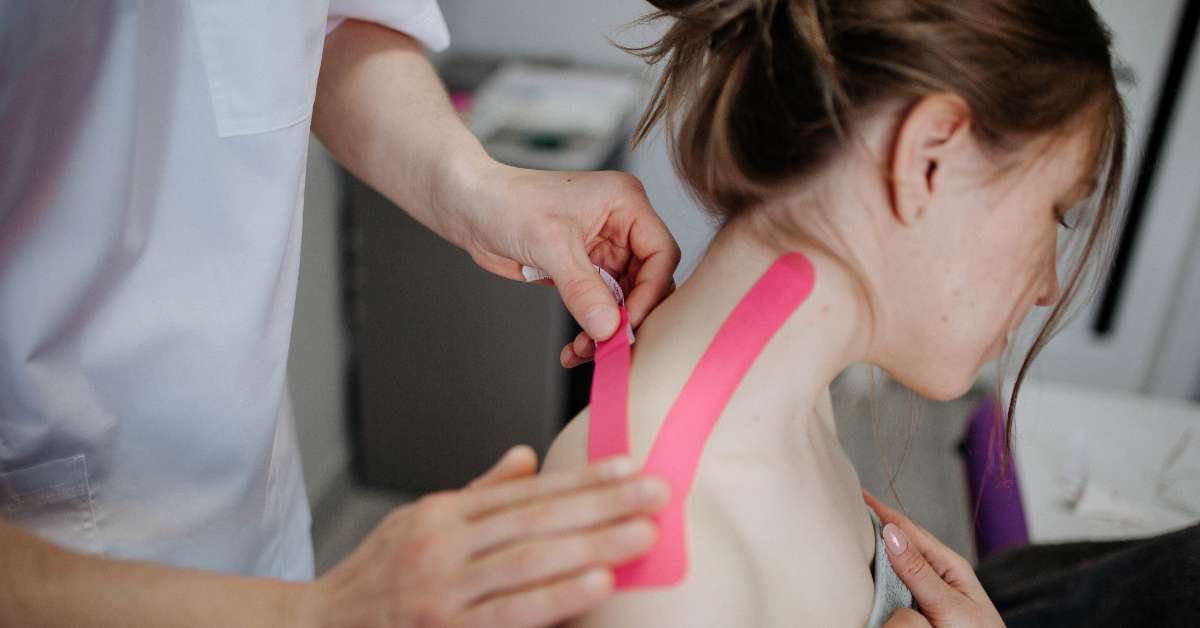
Kinesiology Tape (KT Tape)
Kinesiology tape, or KT tape, offers a different approach through its elasticity and flexibility. This type of tape allows for a more natural range of motion while providing gentle support to muscles and joints.
Kinesiology tape can be used to alleviate pain and swelling as well as promote circulation. Its unique texture encourages participation in daily activities without restriction.
Proper application methods for kinesiology tape involve specific patterns and techniques tailored to the user’s needs and goals.
Application
The effectiveness of taping techniques largely depends on correct application methods. Proper preparation of the skin and selecting the appropriate tape type are essential.
Athletes and therapists often emphasize the importance of clean skin for better adhesion. Understanding the anatomy of the affected area also plays a vital role in achieving optimal results.
With these considerations, both rigid tape and kinesiology tape can be effectively employed to support recovery and enhance performance.

Bracing
Bracing serves as an essential tool in physical therapy, particularly for individuals in the midst of injury recovery.
These supportive devices are designed to provide effective joint stabilization, which minimizes the risk of further injuries while engaging in physical activities.
Understanding the function and advantages of bracing can greatly enhance the recovery process.
Function
Support braces function primarily by stabilizing joints, offering the necessary support during rehabilitation. They help align the joint properly, which can assist in relieving pain and preventing excessive movement that may complicate recovery.
This stabilization is crucial for athletes returning to their sport or individuals recovering from musculoskeletal injuries.
Advantages
- Enhanced stability during physical activity can lead to improved performance and confidence.
- Reduced pain often results from better alignment and joint support, promoting overall comfort.
- Support braces contribute to faster recovery by allowing injured areas to heal without the anxiety of potential re-injury.
- Increased mobility becomes possible, enabling individuals to engage more freely in daily activities.
How They Help
Taping and bracing play a crucial role in the recovery process for patients undergoing physical therapy. Understanding the benefits of taping and bracing can empower individuals to make informed decisions about their treatment.
One of the primary advantages is injury prevention. By providing support to vulnerable areas, these techniques help reduce the risk of further damage during physical activities.
Furthermore, they assist in stabilizing joints and muscles, allowing patients to maintain mobility without compromising safety.
When it comes to recovery optimization, taping and bracing offer notable benefits. These techniques can alleviate pain and discomfort, creating an environment that promotes healing.
Additionally, they enhance proprioception, which refers to the body’s ability to sense its position in space. This improvement facilitates better movement patterns, ultimately speeding up recovery and minimizing the chance of reinjury.
In summary, integrating taping and bracing into physical therapy not only supports immediate needs but also lays the groundwork for lasting health benefits, contributing significantly to overall patient well-being.
Conclusion
Taping and bracing can be valuable tools in physical therapy when used correctly and for the right reasons. Their effectiveness depends on proper assessment, appropriate application, and clear goals.
When relied on too heavily or used without guidance, however, these supports can limit muscle engagement and slow long-term recovery.
The most effective rehabilitation plans use taping and bracing as temporary aids, not permanent solutions.
They work best when combined with targeted strengthening, mobility work, and movement retraining tailored to the individual’s injury, sport, and activity demands.
Timing, duration, and progression should always be guided by a skilled professional to support healing without compromising long-term function.
At Motion RX, athletes and active individuals receive one-on-one care focused on restoring movement, strength, and confidence, not just managing symptoms.
Our physical therapists evaluate when taping or bracing is appropriate and integrate these tools into a complete rehabilitation plan designed for sustainable recovery.
Schedule an evaluation with Motion RX today to get a personalized treatment strategy that supports healing now while protecting performance and joint health for the future.
FAQ
What is the difference between taping and bracing in physical therapy?
Taping involves applying a flexible tape to support injured muscles and joints, while bracing uses a more rigid device to stabilize and protect these areas during physical activity.
How can taping techniques prevent injuries?
Taping techniques offer proprioceptive feedback, which helps athletes maintain proper form and alignment, reducing the risk of injury during activities.
Are there different types of tape used in taping techniques?
Yes, common types include rigid/athletic tape for maximum support and kinesiology tape (KT Tape), which allows for movement while providing support and pain relief.
When should I consider using a brace?
Bracing is recommended for individuals with a history of joint instability, recovering from injuries, or for those engaging in high-risk sports activities to prevent further injury.
Can taping and bracing be used together?
Absolutely! Integrating both taping and bracing can provide enhanced stability and support to an injured area, optimizing recovery and performance.
What are the potential benefits of taping and bracing?
Both techniques can aid in reducing pain, facilitating rehabilitation, providing support during physical activities, and enhancing overall athletic performance.
Do I need professional help to apply tape or a brace?
While some taping techniques can be applied independently, it’s advisable to consult a physical therapist for proper application and to ensure it meets individual injury needs.
How long should I wear tape or a brace?
The duration of use varies depending on the type of injury and treatment plan, but typically, tape can be worn for several days, while braces may be used until the joint stabilizes.