Sports rehab vs general physical therapy: what’s the difference? Why should you care?
If you’re an athlete or active adult, that choice determines whether you simply feel a bit better in day-to-day life or actually get back to lifting, running, and competing at the level you expect from yourself.
Most people assume all physical therapy is the same. They end up in a clinic that’s built to restore basic functions, such as walking, sitting, and stairs, while their real goals are sprinting, cutting, heavy squats, or long runs.
The result? Less pain, but still doubt every time they push the pace or load the bar.
Understanding the difference between sports rehab and general PT helps you avoid that gap.
KEY POINTS
- Sports rehab is built for athletes and active adults who need to get back to higher-speed, higher-load activity, so it focuses on sport-like testing, tougher strength work, and clear checkpoints before return to play.
- General physical therapy is better suited for pain relief and everyday function, centering on walking, stairs, and basic tasks, which means it may stop short of what you need if your goal is heavy training or competitive sport.
The Differences Between Sports Rehab and General Physical Therapy
1. Patient Profile
Who you sit next to in the waiting room says a lot about the kind of care you’re about to get.
If most people are just trying to walk without pain or manage day-to-day tasks, the whole setup will tilt in that direction.
If most people are training, competing, or chasing performance goals, the plan usually stretches much further.
Sports Rehab
According to the National Library of Medicine, sports rehab tends to draw athletes and active adults. These involve runners, lifters, CrossFit athletes, field and court players, or anyone who trains on a schedule and pushes intensity.
General Physical Therapy
General physical therapy usually sees a broader mix. Post-surgical patients, people with long-term back or neck pain, older adults who worry about falls, and folks who just want less pain when walking or using the stairs.
The goal often centers on comfort and independence in daily life, not sprinting or heavy squats.
2. Primary Treatment Goal
What your therapist calls “success” sets the ceiling for your recovery. If that ceiling stops at daily chores, you’ll likely get a very different plan than someone trying to cut, jump, or sprint again.
Sports Rehab
Sports rehab aims for a safe, confident return to sport or hard training. Pain matters, but it’s only one part of the picture. You’re working toward full strength, power, and control in the exact movements your sport demands.
General Physical Therapy
General PT aims to cut pain and restore basic function. Walking, stairs, dressing, housework, and work tasks usually sit at the top of the goal list.
Once you can handle those with manageable symptoms, many clinics consider you “good enough,” even if you haven’t tested for more demanding activity yet.
3. Assessment and Planning
The evaluation you get on day one decides which problems land on your plan. If testing stops at simple motions and pain scales, deeper movement issues tied to sport can stay hidden.
Sports Rehab
Sports rehab usually starts with a standard exam, then goes further. You might squat, lunge, run, jump, or cut while your therapist watches how your body handles load and speed.
Training history, positions, and weekly workload all come into the conversation. Your plan grows out of that picture, with progressions tied to clear checkpoints that matter for your sport or training style.
General Physical Therapy
General PT often leans on pain reports, range of motion, basic strength tests, and simple function tasks. You may walk, do sit-to-stand reps, or practice stairs. That level of detail helps for day-to-day life and early recovery.
4. What Happens in a Typical Session
The feel of each session hints at where you’re going. If nothing you do in rehab looks like your sport or workouts, there’s usually a gap waiting for you later.
Sports Rehab
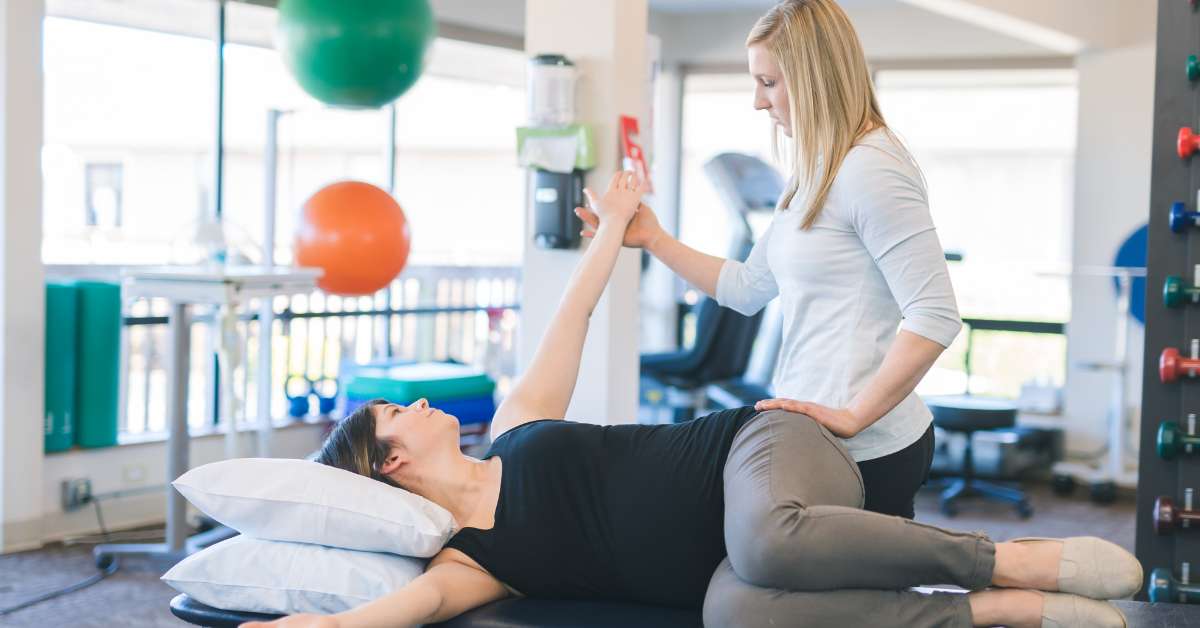
The sessions look like training days. It involves a quick warm-up, then strength work, then movement drills, and sometimes conditioning. Your physical therapist stays close, tweaks load and technique, and makes sure each rep challenges you without blowing things up.
General Physical Therapy
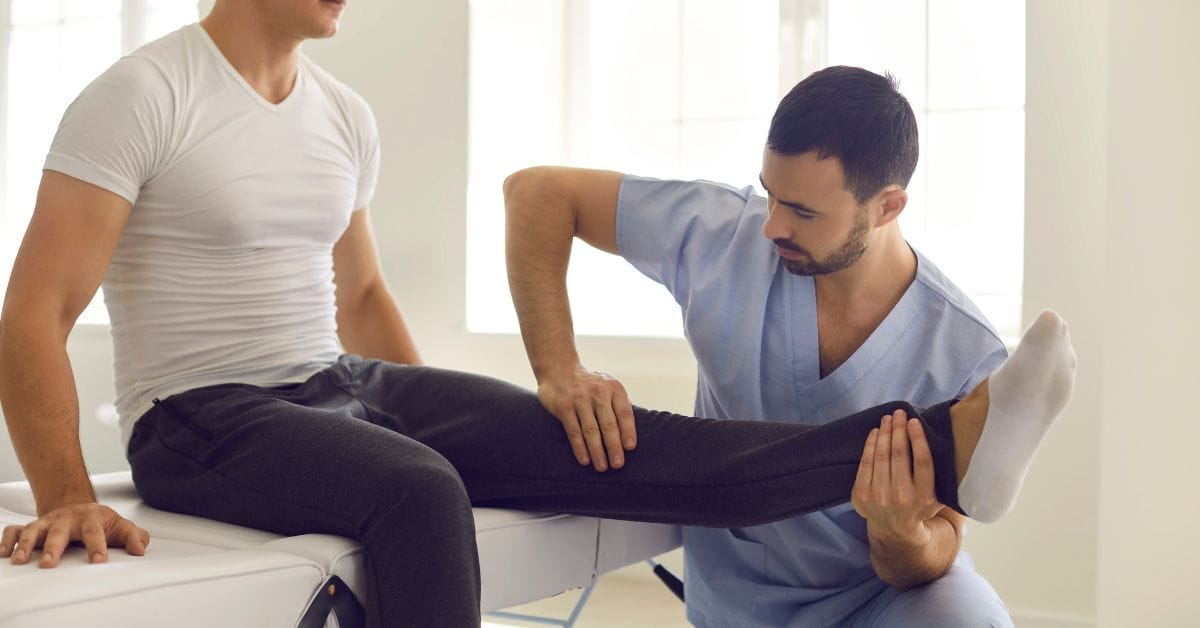
Sessions usually blend table work, simple exercises, and short walks or basic tasks. You might get hands-on work or modalities, then bands, light weights, or machines. Staff often split attention across several patients.
That setup works for early recovery or lower demands, but it rarely feels like the sport or training you want to get back to.
5. Return to Activity and Re-Injury Focus
How you go back to training or sport matters as much as how you rest. A fuzzy plan or a big jump in workload can undo weeks of progress.
Sports Rehab
Clear checkpoints guide your return. You will move from controlled drills to faster, messier situations that look closer to real play. Your therapist also talks through training load, warm-ups, and long-term strength work so you don’t end up in the same injury loop.
General Physical Therapy
Discharge often happens once pain calms and daily tasks look decent. Advice for getting active again usually stays broad, like, increase slowly, stop if it hurts.
Move Past Pain and Back Into Performance
Start with one question: do you just want less pain, or do you want your body ready for real training again? If your goal is walking more easily or getting through the day without flaring things up, general PT can do that job.
If your goal is heavy squats, long runs, tournaments, or tough WODs, you need a plan that actually trains you for that.
At Motion Rx, you work one-on-one with a physical therapist who plans around what your life actually looks like, whether that’s games, heavy training days, or just getting through a full shift and errands without pain.
FAQs
Do I need to be a competitive athlete to go to sports rehab?
No. You don’t need a jersey or a race schedule. If you train regularly, care about performance, or want to get back to higher-intensity workouts without pain, sports rehab makes sense for you.
Can I start with general physical therapy and switch to sports rehab later?
Yes. A lot of people start in general PT after surgery or an acute injury, then move into sports rehab once basic motion and pain are under control.
Is sports rehab only for lower-body or running injuries?
No. It covers any area that affects how you train or play. That includes shoulders for overhead lifting, elbows and wrists for racket or barbell work, hips and spine for heavy squats and deadlifts, and mo