
TL;DR
Lower back problems while running are often caused by poor movement patterns, muscle imbalances, or training errors. Physical therapy helps identify the root cause and restore strength, mobility, and pain-free running.
Introduction
If you’re experiencing lower back problems while running, you’re not alone. Many runners, whether recreational or competitive, deal with nagging back pain that disrupts performance and consistency.
The frustrating part? It’s rarely just about your back.
At Motion RX Health, we help runners uncover the true source of pain through movement-focused, one-on-one care, so you can get back to running stronger, not just temporarily symptom-free.
Key Takeaways
- Lower back pain in runners is often caused by movement inefficiencies, not just the spine
- Muscle imbalances, poor core stability, and overtraining are common contributors
- Addressing the root cause leads to long-term pain relief and better performance
- Physical therapy provides a personalized plan for strength, mobility, and running mechanics
- Early intervention helps prevent chronic pain or more serious injury
What Is Lower Back Pain From Running?
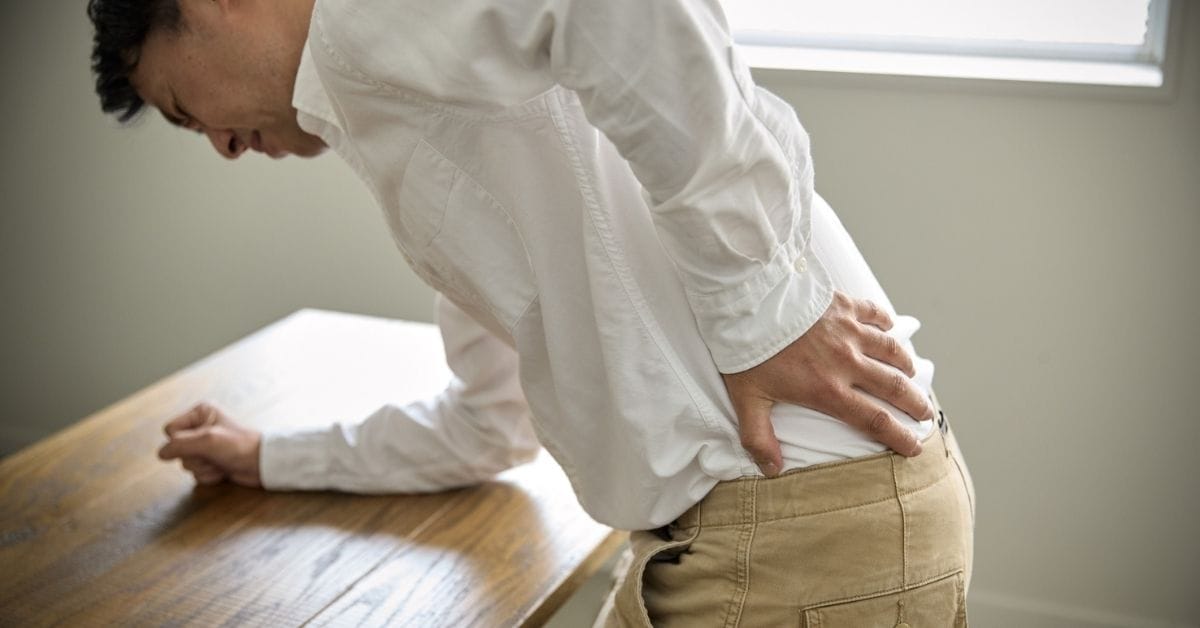
Lower back pain from running refers to discomfort or stiffness in the lumbar spine that occurs during or after running.
It can feel like:
- A dull ache after longer runs
- Sharp pain with impact or stride
- Tightness that builds over time
While it may seem like a back-specific issue, it’s often influenced by how your hips, core, and legs work together during movement.

Why It Matters to Movement & Daily Life
Lower back problems while running affect your ability to move efficiently, absorb impact, and maintain endurance.
When your body isn’t distributing load properly:
- Your lower back compensates for weak or stiff areas
- Running form breaks down faster
- Fatigue sets in earlier
This doesn’t just impact running; it can carry over into daily life:
- Sitting discomfort
- Reduced mobility
- Increased injury risk
Fixing the issue improves not only your runs but your overall movement quality.
How It Works / What to Expect
At Motion RX Health, we don’t just treat your back; we assess how your entire body moves.
Step 1: Movement Assessment
We evaluate:
- Running mechanics
- Core stability and control
- Hip mobility and strength
- Postural patterns
Step 2: Personalized Treatment Plan
Your plan is tailored to your body and goals, including:
- Core strengthening for spinal support
- Hip and glute activation drills
- Mobility work to reduce stiffness
- Running form adjustments
Step 3: Performance Progression
As pain decreases, we guide you through:
- Gradual return to running
- Load management strategies
- Strength progression for durability
If you’re looking for expert guidance, explore how our physical therapists for runners in Clearwater help athletes return to pain-free, high-performance running.
Common Causes of Lower Back Pain While Running
Understanding the cause is key to fixing the problem.
Weak Core Stability
A lack of core control forces your lower back to absorb more impact.
Poor Hip Mobility
Tight hips limit stride efficiency and shift stress to the lumbar spine.
Muscle Imbalances
Overactive hip flexors and weak glutes are a common combination in runners.
Running Form Issues
Overstriding, excessive arching, or poor posture can overload your back.
Training Errors
- Increasing mileage too quickly
- Lack of recovery
- Inadequate strength training
Preventing & Managing Back Pain
Preventing lower back problems while running starts with proactive movement care.
Focus on Strength & Stability
- Build core endurance
- Strengthen glutes and hips
- Improve single-leg control
Improve Mobility
- Address tight hip flexors
- Maintain thoracic spine mobility
Optimize Running Mechanics
- Shorten the stride if overstriding
- Maintain upright posture
- Increase cadence gradually
Manage Training Load
- Follow gradual mileage increases
- Include rest and recovery days
- Cross-train to reduce repetitive stress
A performance-driven, personalized plan ensures you’re not guessing and helps you stay consistent without setbacks.
Benefits & Considerations
Benefits of Physical Therapy for Runners
- Reduced pain during and after running
- Improved running efficiency and endurance
- Better strength and mobility balance
- Lower risk of recurring injuries
- Measurable progress in performance
Considerations
- Recovery takes consistency and guidance
- Ignoring early symptoms can prolong recovery
- Generic programs may miss your specific movement needs
When to Seek Medical Advice
You should consult a physical therapist or healthcare provider if you experience:
- Persistent pain that doesn’t improve with rest
- Pain that worsens during or after running
- Radiating pain into the legs
- Noticeable weakness or instability
- Difficulty returning to your normal running routine
Early evaluation helps prevent minor issues from becoming long-term problems.
Frequently Asked Questions
Can you run with lower back problems?
It depends on the severity. Mild discomfort may allow modified running, but persistent or worsening pain should be evaluated to avoid further injury.
What is the 80% rule in running?
The 80% rule suggests that about 80% of your runs should be at a low, comfortable intensity, while only 20% are high intensity, helping reduce injury risk and improve performance.
What are the 5 red flags of low back pain?
- Pain radiating down the leg
- Numbness or tingling
- Severe or worsening pain
- Loss of strength
- Pain that doesn’t improve with rest
These may require medical evaluation.
Why is my lower back hurting while I’m running?
Common reasons include poor core stability, tight hips, inefficient running mechanics, or training overload.
Final Thoughts and Recap
Lower back problems while running are common but highly treatable with the right approach.
Key points to remember:
- The root cause is often movement-related, not just the back
- Strength, mobility, and mechanics all play a role
- Personalized physical therapy leads to lasting results
- Early action helps you stay active and injury-free
Schedule your personalized physical therapy session with Motion RX Health and get back to running with confidence, strength, and pain-free movement.