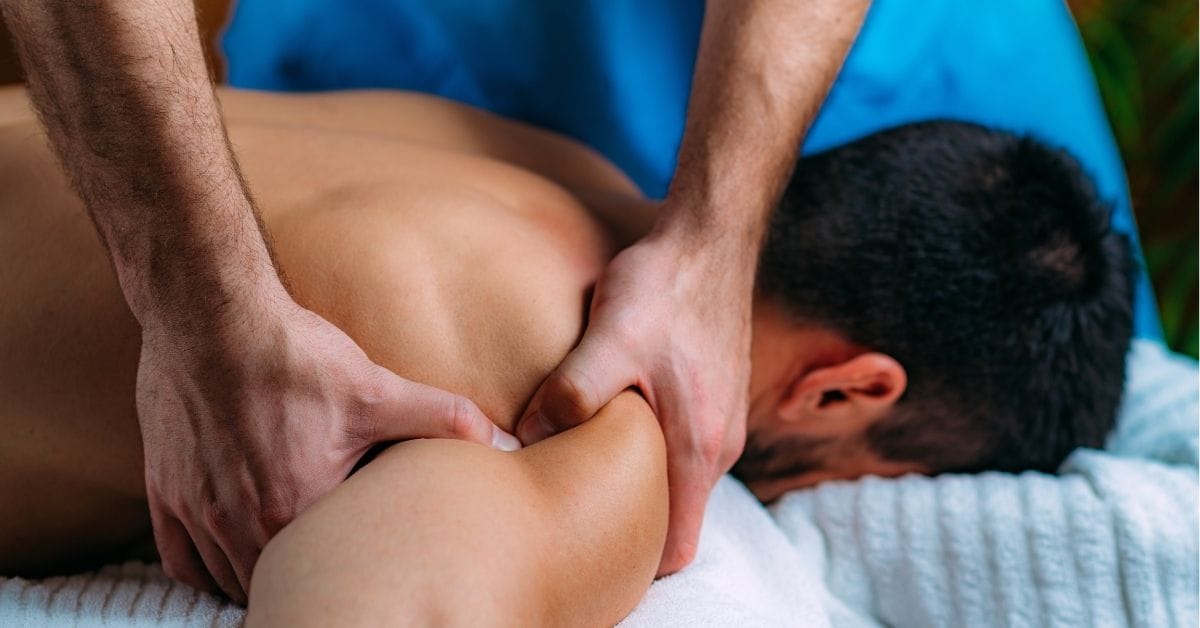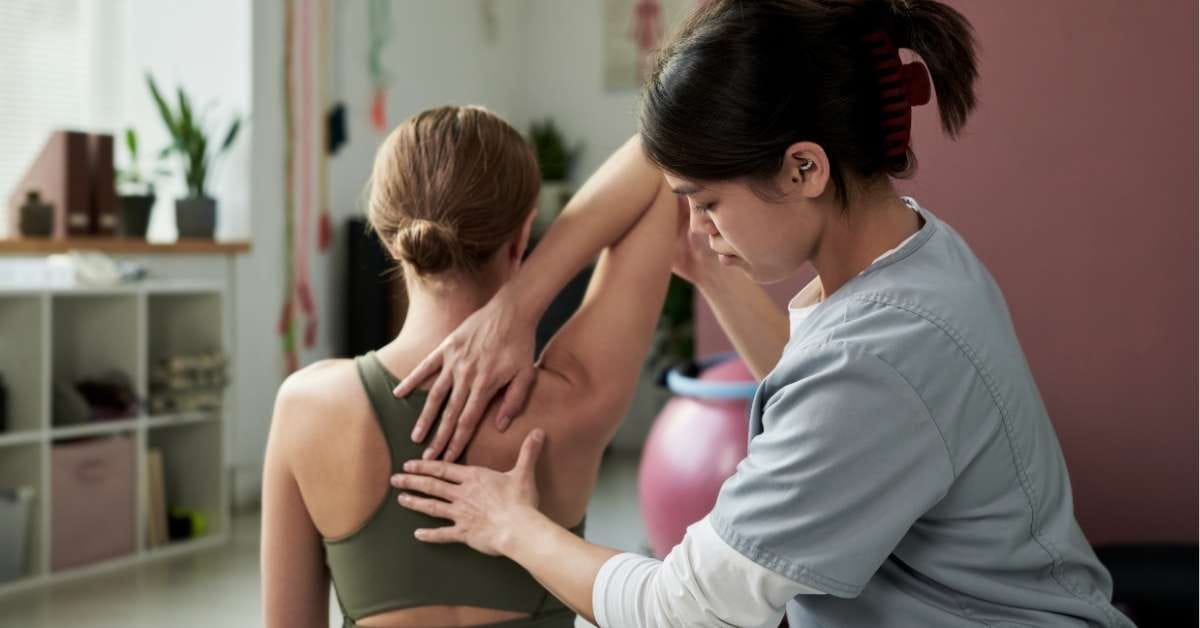

Physical therapy for shoulder labral tear remains the recommended first-line treatment in 2026 for reducing pain, restoring stability, and improving function without immediately resorting to surgery.
Structured labral tear shoulder rehabilitation exercises focus on scapular stabilization, rotator cuff strengthening, and controlled mobility to unload stress on the injured labrum while restoring shoulder mechanics.
A labral tear can cause deep shoulder pain, clicking, instability, or weakness, especially during overhead activity. The right rehabilitation plan, done by movement and recovery specialists, can significantly improve symptoms and help many individuals avoid surgical intervention.
KEY POINTS
- Physical therapy is often the first step in managing shoulder labral tears, focusing on stability and strength rather than aggressive mobility.
- Structured labral tear shoulder rehabilitation exercises can improve pain, function, and return-to-sport outcomes.
What Is a Shoulder Labral Tear?
The labrum is a ring of cartilage that surrounds the shoulder socket (glenoid). It deepens the socket and helps stabilize the humeral head during movement.
Common types of labral tears include:
- SLAP Tear (Superior Labrum Anterior to Posterior)
- Bankart Tear (Anterior-inferior labrum associated with instability)
- Posterior Labral Tear
Labral injuries may occur from the following:
- Repetitive overhead sports (baseball, tennis, swimming)
- Heavy lifting or pressing movements
- Shoulder dislocation
- Trauma such as falls
Symptoms often include deep shoulder pain, instability, catching sensations, or weakness with overhead motion.

Why Physical Therapy Is Often First-Line in 2026
Modern orthopedic management emphasizes conservative care before surgery when appropriate. Structured rehabilitation can significantly improve pain and functional outcomes.
A study published in The American Journal of Sports Medicine demonstrated that nonoperative treatment of superior labral tears resulted in significant improvements in pain, function, and quality of life.
Patients following a rehabilitation protocol focused on scapular stabilization and posterior capsule mobility achieved meaningful functional gains, and many returned to sport without surgery.
While surgery may be necessary in some cases, especially in high-level overhead athletes, many individuals benefit from a trial of structured physical therapy first.
6 Core Components of Labral Tear Rehabilitation
Effective physical therapy for a shoulder labral tear follows a staged, stability-focused approach:
1. Pain and Inflammation Control
Activity modification, temporary rest from overhead loading, and gradual reintroduction of movement reduce labral stress.
2. Scapular Stabilization
Improving control of the lower trapezius and serratus anterior reduces strain on the labrum during arm elevation.
3. Posterior Capsule Mobility
Targeted stretching improves rotation and decreases abnormal joint mechanics.
4. Rotator Cuff Strengthening
Strengthening the cuff enhances humeral head control and limits excessive translation.
5. Dynamic Shoulder Stability
Closed-chain and resistance band exercises improve neuromuscular control.
6. Progressive Return to Sport or Activity
Gradual reloading ensures safe return to lifting, throwing, or overhead tasks. Each phase prioritizes control before intensity.
Labral Tear Shoulder Rehabilitation Exercises That Help
These exercises are commonly prescribed in conservative management programs:
- Cross-Body Stretch. Gently pull the arm across the chest to improve posterior shoulder mobility.
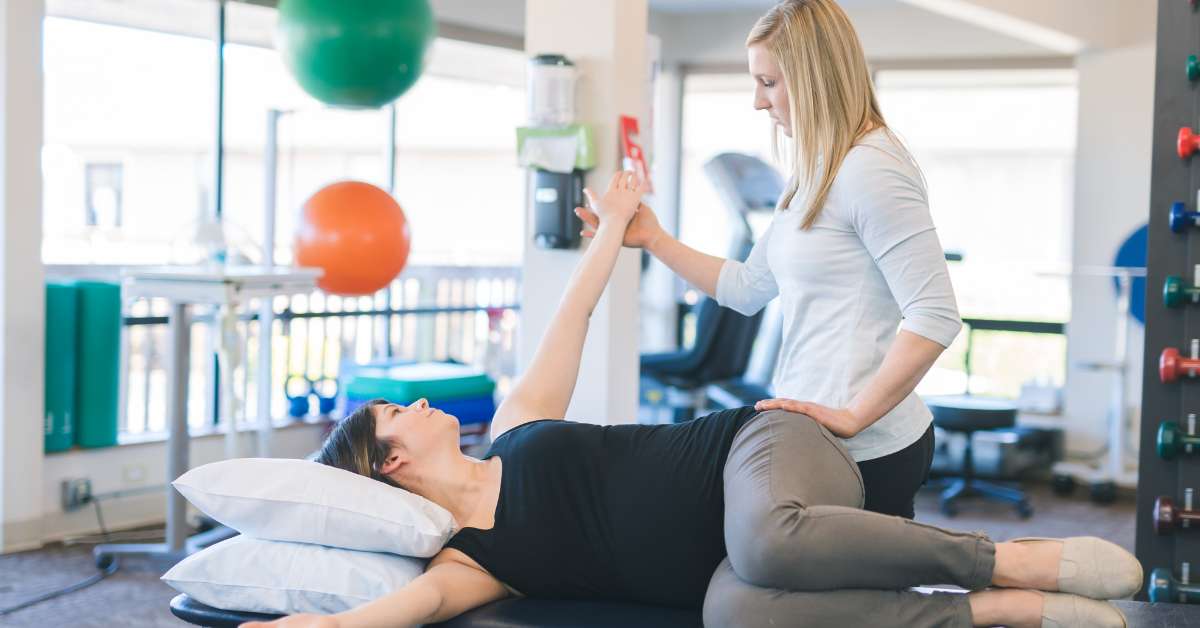
- Side-Lying Shoulder Flexion. Perform controlled raises with light weights to strengthen the biceps tendon attachment without overloading it.
- External Rotation Diagonal (Resistance Band). It improves activation of the rotator cuff and lower trapezius during functional movement patterns.
- Prone Row to External Rotation. This targets posterior shoulder strength and scapular control.
- Isometric External Rotation. Press the back of the hand into a wall to activate stabilizers without joint movement.
- Serratus Wall Slides. It promotes scapular upward rotation and stability. Exercises should be performed 3–5 times per week with progressive resistance based on symptom response.
If you’re experiencing persistent clicking, instability, or deep joint pain, early intervention can prevent worsening symptoms. A shoulder pain physical therapy done by a professional can help determine whether conservative management is appropriate before considering surgical referral.
Seek Shoulder-Pain Physical Therapy
If shoulder pain, instability, or clicking is limiting your activity, the right plan can make a measurable difference. A structured program focused on stability, strength, and controlled progression may help you avoid unnecessary surgery and return to the activities you enjoy with confidence.
At MotionRx, care is delivered by movement and recovery specialists who prioritize biomechanics, neuromuscular control, and progressive strengthening.
Rehabilitation plans are customized based on tear type, activity demands, and performance goals. If you’re returning to sport or restoring daily function, structured physical therapy for a shoulder labral tear can reduce pain while rebuilding shoulder stability.
FAQs
1. Can a shoulder labral tear heal without surgery?
In many cases, yes. Structured physical therapy can significantly reduce pain and improve stability, especially in isolated SLAP tears.
2. How long does rehabilitation take?
Most programs last 8–16 weeks, depending on severity and activity level. Overhead athletes may require longer progression.
3. Should I avoid strengthening if I have a labral tear?
No. Proper strengthening, especially the rotator cuff and scapular stabilizers, is critical. The key is selecting exercises that limit strain on the biceps attachment and the superior labrum.