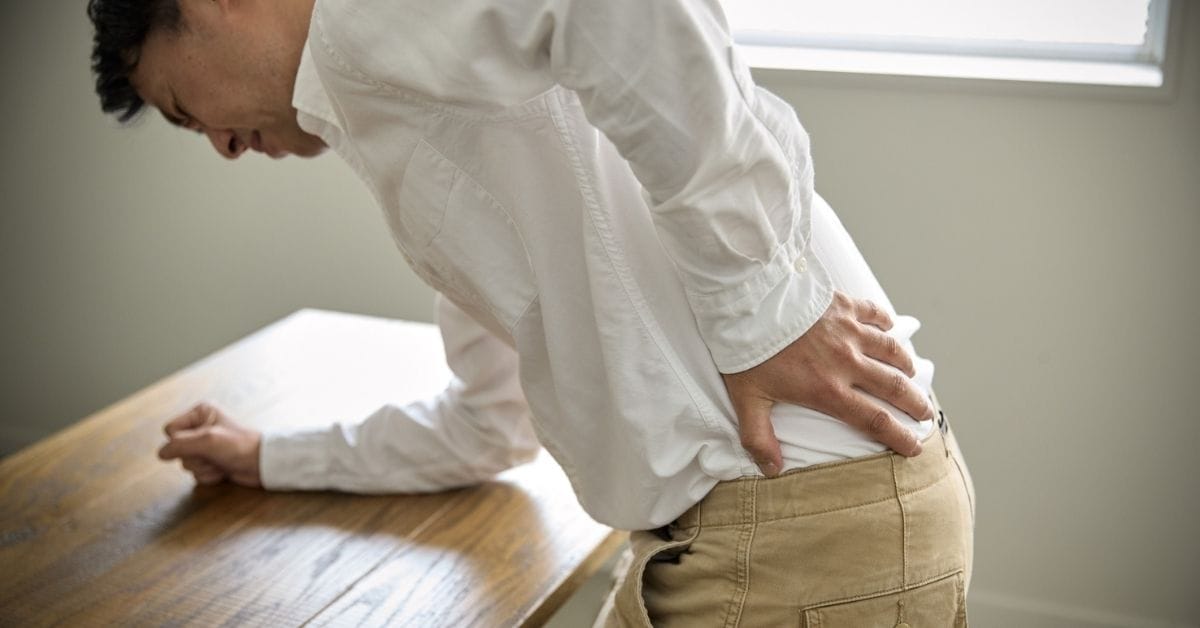

Hip flexor strain signs and symptoms often include sharp anterior hip pain, tightness when lifting the knee, and weakness during walking or running.
Effective hip flexor strain treatment focuses on structured rehabilitation rather than prolonged rest, using progressive hip flexor strain exercises to restore strength, mobility, and control.
Understanding realistic hip flexor strain recovery time helps guide expectations and prevent reinjury.
The hip flexors play a critical role in sprinting, stair climbing, kicking, and even simple walking. Because these muscles are involved in nearly every step, even a mild strain can feel limiting.
Recovery depends not only on tissue healing but also on restoring coordination between the hip flexors, glutes, and core.
KEY POINTS
- Most hip flexor strains improve with progressive rehabilitation.
- Recovery time depends on strain severity and load management.
- Early protection is important, but strengthening drives long-term recovery.
- Stepwise rehab progression reduces recurrence risk.
What Is a Hip Flexor Strain?
A hip flexor strain is a tear in one of the muscles at the front of the hip, most commonly the iliopsoas or rectus femoris. These muscles help lift the thigh toward the torso and stabilize the pelvis during movement.
Strains are graded by severity:
- Grade 1 (Mild): Small microtears with minimal strength loss
- Grade 2 (Moderate): Partial tear with noticeable weakness
- Grade 3 (Severe): Significant tear with difficulty lifting the leg
Most injuries occur during explosive acceleration, sudden directional changes, or forceful kicking. However, prolonged sitting followed by intense activity can also increase strain risk due to tightness and reduced tissue readiness.

Hip Flexor Strain Signs and Symptoms
Recognizing hip flexor strain signs and symptoms early improves outcomes. The common symptoms include:
- Pain in the front of the hip or upper thigh
- Tightness or pulling sensation
- Pain when lifting the knee toward the chest
- Limping during walking
- Weakness with resisted hip flexion
- Swelling or bruising (moderate to severe cases)
- Muscle spasms
In fact, Pain typically increases with sprinting, stair climbing, or kicking movements.
Hip Flexor Strain Recovery Time
Realistic hip flexor strain recovery time depends on injury grade:
- Grade 1: 1-3 weeks
- Grade 2: 3-6 weeks
- Grade 3: 8+ weeks
Recovery also depends on:
- Tissue healing response
- Early load modification
- Gradual strength progression
- Avoiding premature return to sprinting
Returning too quickly significantly increases recurrence risk.
Why Progressive Hip Flexor Strain Treatment Is Essential
Early management may include rest, ice, and temporary load reduction. However, passive treatment alone is insufficient.
A clinical commentary published in the International Journal of Sports Physical Therapy outlines an impairment-based, stepwise progression for soft-tissue injuries of the hip and pelvis, emphasizing progressive strengthening, core stabilization, and a milestone-based return to sport rather than prolonged rest alone.
That way, it reinforces that structured rehabilitation, not inactivity, drives recovery.
5 Phases of Hip Flexor Strain Treatment
Rehabilitation should follow a progressive, tissue-healing-aligned sequence. These five phases of hip flexor strain treatment reflect how muscle fibers recover, adapt to load, and regain power safely. Progression should be symptom-guided and milestone-driven rather than purely calendar-based.
Phase 1: Protection and Irritation Control (Week 0-1)
The first phase focuses on calming acute inflammation and preventing further muscle fiber disruption. Immediately loading a strained hip flexor aggressively can worsen the tear.
Focus:
- Avoid sprinting, kicking, or explosive hip flexion
- Gentle pain-free range of motion
- Short walks if tolerated
- Ice and compression
During this stage, complete immobilization is not recommended. Light movement helps maintain circulation and prevents stiffness, but intensity must remain low.
Goal: Reduce irritation without allowing deconditioning or compensatory movement patterns to develop.
Phase 2: Mobility Restoration (Week 1-3)
As acute pain settles, restoring hip extension becomes critical. After a strain, the muscle often shortens protectively, increasing anterior pelvic tilt and placing additional stress on the healing tissue.
Introduce controlled mobility work:
- Half-kneeling hip flexor stretch
- Posterior pelvic tilts
- Controlled hip extension drills
- Light core activation
Mobility must be paired with pelvic control. Stretching without stabilizing the lumbar spine can increase strain rather than relieve it.
Restoring extension mobility reduces anterior hip compression and improves stride mechanics during walking and running.
Phase 3: Early Strength Development
Once basic mobility is restored and pain during daily activities improves, low-load strengthening begins. This phase rebuilds tensile strength within healing muscle fibers.
Add controlled strengthening:
- Isometric hip flexion holds
- Supine straight-leg raises
- Seated marching
- Bridge exercises for glute activation
The focus is precision over intensity. The hip flexors should activate without excessive lumbar extension or pelvic rotation. Core control is emphasized to prevent compensatory patterns that overload adjacent structures.
Clinical objective: Restore baseline strength and neuromuscular coordination before introducing speed or power.
Phase 4: Dynamic Strength and Control
At this stage, the muscle is ready for greater loading and multiplanar movement. The goal shifts from isolated strengthening to coordinated lower-extremity control.
Progress to:
- Lunges (sagittal and frontal plane)
- Step-ups
- Controlled resisted hip flexion
- Balance-based drills
Dynamic control challenges the hip flexor in conjunction with the glutes and core. Strength, symmetry, and movement quality are critical before advancing. If asymmetry remains, recurrence risk increases significantly.
Phase 5: Return-to-Sport Progression
This final phase reintroduces velocity, acceleration, and sport-specific demand. Muscle tissue may feel strong, but tendon resilience and neuromuscular timing must also be restored.
Gradual reintroduction includes the following:
- Light jogging
- Acceleration drills
- Controlled cutting and directional change
- Sport-specific training
The load increases progressively in speed and intensity. Sudden return to maximal sprinting is a common cause of reinjury.
Advancement is based on strength symmetry, pain response, pelvic stability, and movement control. Not just time since injury.

When to Seek Professional Care
If pain persists beyond two weeks, worsens, or limits walking, a structured evaluation is recommended.
A skilled physical therapist Clearwater can:
- Confirm strain severity
- Identify pelvic or core control deficits
- Detect strength asymmetry
- Develop a milestone-driven progression plan
Learn more about movement-focused rehabilitation here:
Make Your Recovery Progressive and Measurable
Hip flexor strain recovery should not rely on waiting for pain to disappear. It should focus on rebuilding strength, restoring movement quality, and gradually increasing load tolerance.
Motion RX can provide a structured, progressive plan that reduces the risk of recurrence and restores confidence in movement. When each phase builds logically on the one before it, recovery becomes both efficient and durable.
FAQs
1. How long does hip flexor strain recovery take?
Most mild strains improve within 1-3 weeks. Moderate strains may require 4-6 weeks. Severe tears take longer and may need medical supervision.
2. Can I run with a hip flexor strain?
Running too early increases reinjury risk. Return only when walking, resisted hip flexion, and light jogging are pain-free.
3. What is the best hip flexor strain treatment?
The most effective approach combines early load modification with progressive strengthening, core stabilization, and gradual return to sport.