
TL;DR
Neck crack pain is common and can result from joint stiffness, muscle tightness, poor posture, or injury. Physical therapy can identify the root cause, improve mobility, and help you return to pain-free movement without relying on temporary fixes.
Introduction
If you notice pain when your neck cracks or pops, you’re not alone. Occasional neck sounds are usually harmless, but when they are accompanied by pain, stiffness, headaches, or limited movement, they may signal an underlying issue that deserves attention.
Understanding neck crack pain can help you recognize when symptoms are minor and when it’s time to seek professional care. At Motion RX Health, our one-on-one approach focuses on identifying the root cause and creating a personalized plan to restore comfortable movement and long-term function.
Key Takeaways
- Neck crack pain can result from joint stiffness, muscle tension, posture issues, or injuries.
- Occasional popping without pain is usually normal.
- Persistent pain, headaches, numbness, or reduced mobility should not be ignored.
- Physical therapy can improve strength, mobility, and movement quality.
- Early treatment may prevent symptoms from becoming chronic.
What Is Neck Crack Pain?
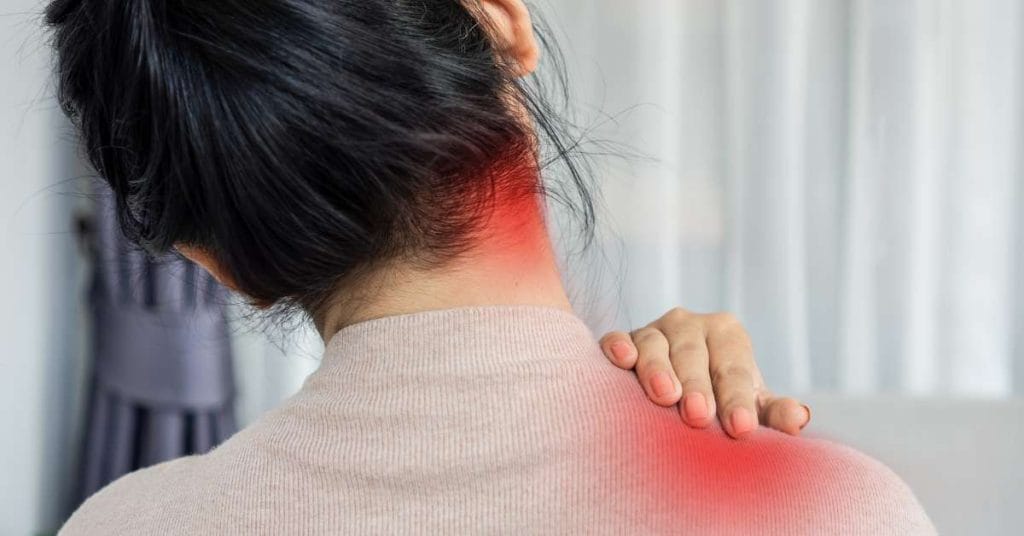
Neck crack pain refers to discomfort that occurs when the neck produces popping, clicking, or cracking sounds during movement. These noises are often caused by small gas bubbles releasing inside the joints or tendons moving over surrounding structures.
While occasional sounds are normal, pain along with cracking may indicate:
- Joint irritation
- Muscle imbalances
- Ligament strain
- Arthritis or degeneration
- Poor posture and movement patterns
Because the neck supports the head and protects important nerves, unresolved dysfunction can affect daily activities, exercise, and overall quality of life.
Some people confuse neck symptoms with noises felt in the chest, such as a cracking sound in chest, chest bone crack, or bones cracking in chest. These sensations may originate from joints, muscles, or posture-related restrictions and should be evaluated if they become painful or persistent.
Why It Matters to Movement & Daily Life
Neck pain can interfere with much more than turning your head.
When neck mechanics become restricted or irritated, you may experience:
- Difficulty driving and checking blind spots
- Discomfort while working at a computer
- Headaches and tension
- Reduced exercise performance
- Trouble sleeping comfortably
- Pain when lifting or carrying objects
Addressing neck crack pain early helps preserve mobility, improve posture, and support an active lifestyle.
Common Causes
Poor Posture
Hours spent looking down at phones or working at a desk can place excessive stress on the cervical spine.
Muscle Tightness
Tight muscles around the shoulders and neck can alter movement patterns and create excessive tension. In some cases, shoulder dysfunction may contribute to neck symptoms. Motion RX Health provides treatment for shoulder pain that restores mobility and reduces stress throughout the upper body.
Joint Stiffness
Restricted joints may produce popping sounds and discomfort during motion. Some individuals report feeling the need to crack my chest or notice chest bone cracking when stretching. These sounds are often related to joint movement and posture.
Previous Injuries
Whiplash, sports injuries, or falls can leave lingering movement limitations and instability.
Arthritis and Degeneration
Age-related changes may contribute to stiffness and painful neck sounds.
Stress and Muscle Tension
Emotional stress often causes muscles to tighten, leading to pain and restricted movement.
How It Works / What to Expect
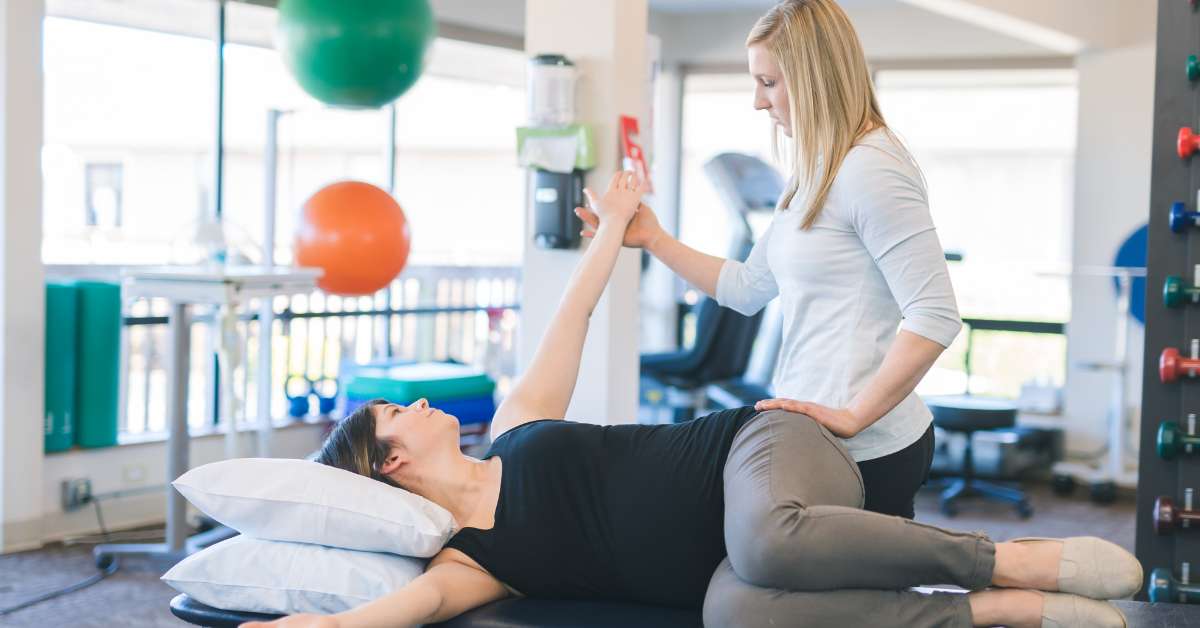
Physical therapy addresses more than symptoms; it targets the source of the problem.
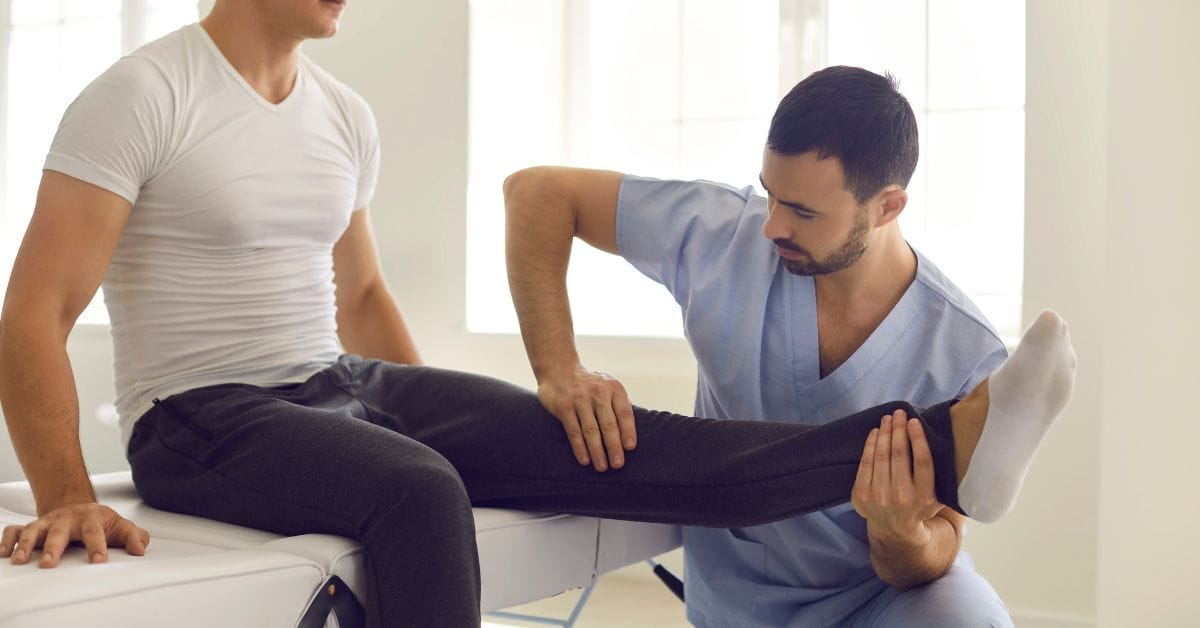
At Motion RX Health, treatment begins with a root-cause assessment that evaluates:
- Neck mobility
- Posture and movement patterns
- Strength deficits
- Muscle imbalances
- Daily activities and lifestyle factors
Based on your findings, your expert therapist develops a personalized plan that may include:
- Hands-on manual therapy
- Mobility exercises
- Strengthening programs
- Postural retraining
- Ergonomic recommendations
- Sport-specific or activity-specific exercises
Some patients may also benefit from dry needling therapy, which can help reduce muscle tension and improve mobility when incorporated into a comprehensive treatment plan.
People who frequently ask how to crack chest bone or practice cracking your chest to relieve tightness may actually benefit more from improving mobility and strength rather than repeatedly forcing joints to pop.
This performance-driven approach helps patients achieve measurable progress and return to daily activities with confidence.
Benefits & Considerations
Benefits of Physical Therapy
- Improved neck mobility
- Reduced pain and stiffness
- Better posture
- Increased strength and stability
- Fewer headaches and muscle tension
- Reduced risk of recurring symptoms
- Enhanced athletic and daily performance
Considerations
Some cases require further medical evaluation, particularly if symptoms involve nerve irritation or significant structural changes. Early assessment helps determine the most appropriate treatment plan.
People experiencing recurring headaches alongside neck pain may also benefit from treatment for headache-related conditions, since posture and muscle tension often contribute to both problems.
Safe Home Relief Strategies
Several simple strategies may help relieve mild symptoms:
Apply Heat
Warm packs can relax tight muscles and improve circulation.
Improve Ergonomics
Adjust monitor height and avoid prolonged forward head posture.
Stay Active
Gentle movement prevents excessive stiffness.
Perform Stretching Exercises
Targeting the neck, upper back, and shoulders may improve mobility.
Strengthen Supporting Muscles
Improving shoulder and upper back strength can reduce stress on the neck and reduce the urge to crack chest bone repeatedly.
Avoid Frequent Self-Cracking
Repeatedly forcing your neck to crack may increase irritation over time. The same applies if you regularly try to crack my chest for temporary relief.
When to Seek Physical Therapy
Professional evaluation may be beneficial if:
- Pain lasts longer than one to two weeks.
- Cracking becomes painful or more frequent.
- Stiffness limits daily activities.
- Symptoms return repeatedly.
- Headaches accompany neck pain.
- Exercise or sports performance declines.
For comprehensive neck pain relief, Motion RX Health provides individualized treatment plans designed to restore pain-free movement and long-term performance.

When to Seek Medical Care
Seek immediate medical care if neck crack pain is accompanied by:
- Numbness or tingling in the arms
- Weakness in the hands
- Severe headaches
- Dizziness
- Loss of coordination
- Pain after a traumatic injury
- Fever or unexplained weight loss
These symptoms may indicate conditions requiring prompt medical evaluation.
Frequently Asked Questions
Is neck cracking normal?
Yes. Occasional neck popping without pain is usually normal and often results from gas release within the joints.
Why does my neck crack and hurt?
Painful cracking may stem from muscle tightness, joint dysfunction, arthritis, poor posture, or previous injuries.
Can chest popping be related to posture?
Yes. Some people experience a chest bone crack, bones cracking in chest, or a cracking sound in chest due to stiffness and posture-related restrictions around the ribs and sternum.
Should I stop cracking my neck?
Repeated forceful self-manipulation can irritate tissues and should be avoided, especially if it causes pain.
Can physical therapy help neck crack pain?
Yes. Physical therapy addresses mobility restrictions, muscle imbalances, and posture issues to improve movement and reduce discomfort.
When should I worry about neck cracking?
Persistent pain, numbness, weakness, headaches, or symptoms following trauma should be evaluated by a healthcare professional.
Final Thoughts and Recap
Neck crack pain is often caused by muscle tension, posture problems, or joint stiffness, but persistent symptoms deserve attention.
Key Points to Remember
- Occasional neck sounds are usually harmless.
- Pain, stiffness, and headaches are signs to investigate further.
- Safe home strategies may provide temporary relief.
- Physical therapy focuses on the root cause and measurable progress.
- Early treatment helps support lifelong, pain-free movement.
Schedule your personalized physical therapy evaluation with Motion RX Health and take the next step toward stronger, healthier movement.