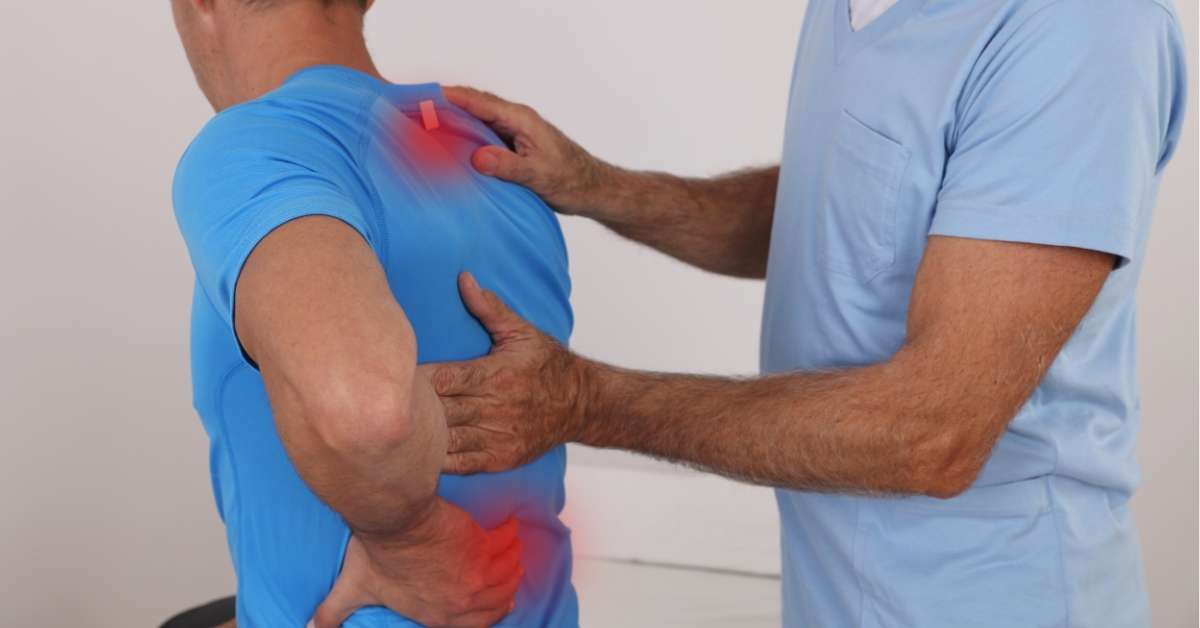

If you’re experiencing muscle pain or tension, you’re not alone. Many people suffer from various musculoskeletal conditions that can significantly impact their quality of life. Fortunately, there’s a technique that has emerged as a powerful tool for addressing these issues: dry needling.
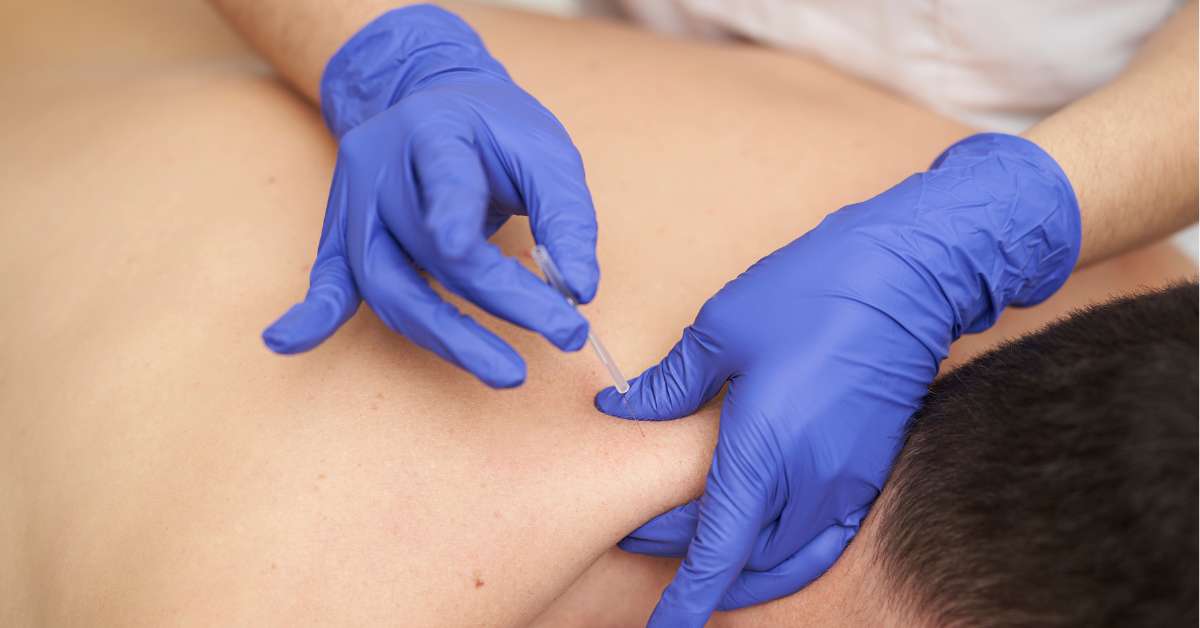
This minimally invasive procedure involves inserting thin, sharp needles through your skin to treat underlying myofascial trigger points. As part of a comprehensive pain management plan, dry needling can offer relief to those suffering from chronic pain. It’s often used in conjunction with other treatments, such as exercise, stretching, and massage, to help you achieve optimal recovery.
Key Takeaways
- Understand how dry needling can help relieve muscle tension and pain.
- Learn about the science behind this therapeutic intervention.
- Discover the benefits of incorporating dry needling into your treatment plan.
- Find out how dry needling differs from other pain management techniques.
- Explore the role of dry needling in comprehensive pain management.
What Is Dry Needling?
Dry needling has gained popularity as a treatment for muscle tension and pain, but what exactly does it entail?
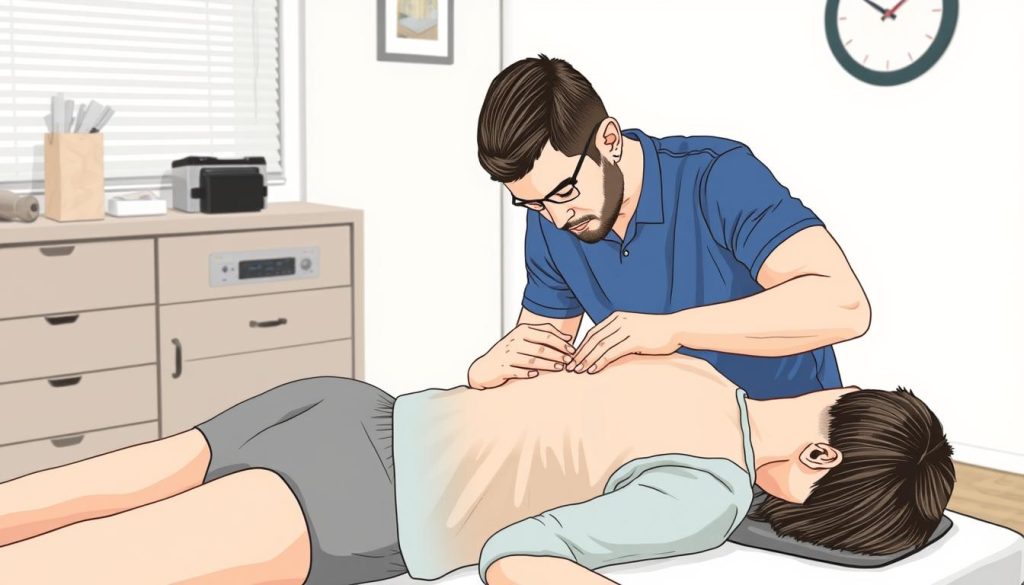
Dry needling is a therapeutic technique used to treat pain and inflammation. To understand dry needling, it’s essential to grasp its definition, its differences from other treatments like acupuncture, and the science behind its effectiveness.
Definition and Origins of Dry Needling
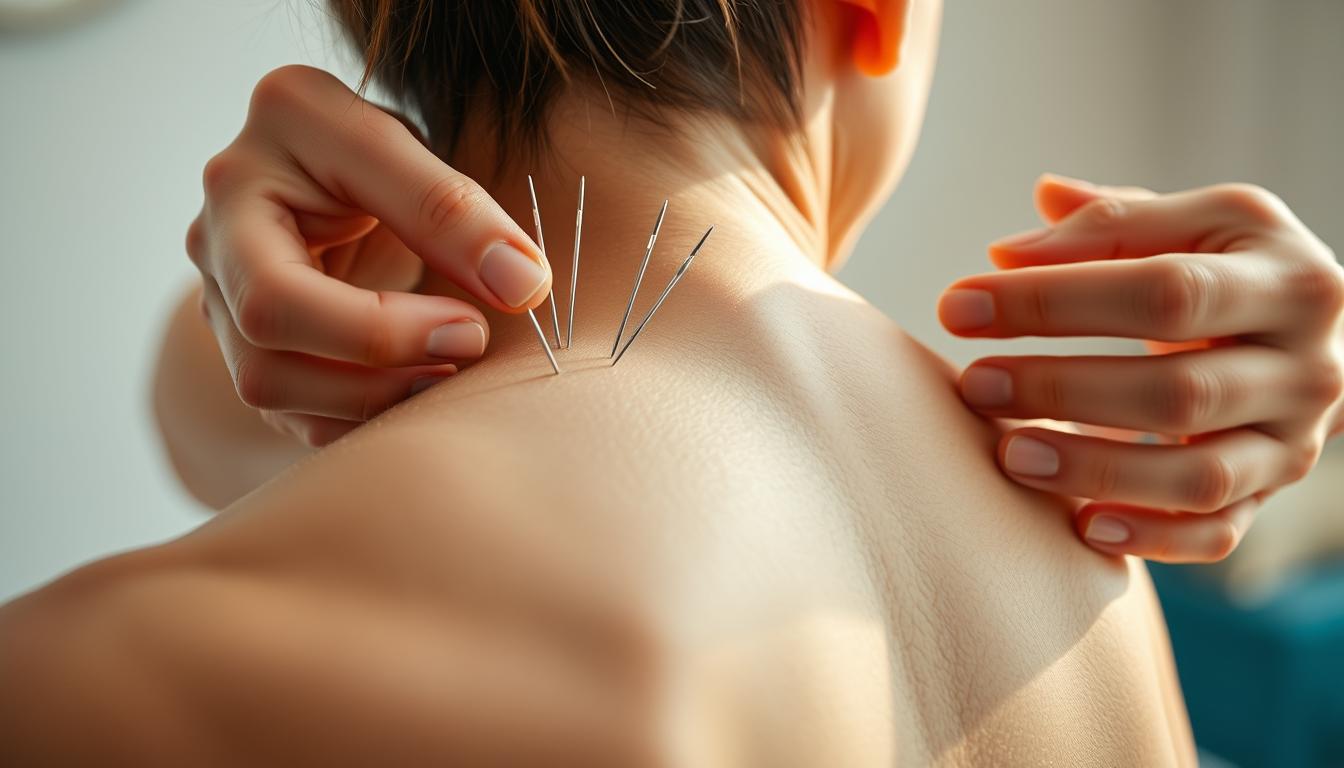
Dry needling involves the insertion of thin, filiform needles into trigger points within the muscle to stimulate healing and relaxation. Unlike acupuncture, which is rooted in traditional Chinese medicine, dry needling is based on Western medical principles and focuses on the treatment of myofascial trigger points. The term “myofascial” refers to the fascia surrounding muscles; “myo” means muscle, and fascia is the thin, white connective tissue wrapped around your muscles.
Trigger points are knotted, tender areas that develop in your muscles. These areas are highly sensitive and can be painful when touched. Sometimes, a trigger point may be near the location of your pain, but it’s also often the cause of referred pain, which is pain that affects another part of your body.
Dry Needling vs. Acupuncture: Key Differences
While both dry needling and acupuncture involve the use of needles, their underlying principles and applications differ significantly. Acupuncture is based on the concept of restoring the flow of energy (qi) in the body along specific meridians. In contrast, dry needling is grounded in Western medicine and targets trigger points to alleviate pain and improve muscle function.
The primary focus of dry needling is on treating musculoskeletal issues, such as muscle tension and pain, by directly stimulating the affected areas. This approach allows for a more precise treatment of pain sources, making it an effective therapy for various musculoskeletal conditions.
The Science Behind Trigger Points
Trigger points are hyperirritable spots within taut bands of skeletal muscle that can cause both local and referred pain patterns when compressed. The formation of these points typically results from muscle overuse, trauma, or sustained postures that create areas of increased metabolic demand and reduced circulation.
- Trigger points are “knots” that develop when muscle fibers remain contracted, creating a self-sustaining cycle of pain and dysfunction.
- These points often create predictable pain referral patterns that may seem unrelated to the actual trigger point location, which is why treating only the painful area often proves ineffective.
- Understanding the neurophysiological mechanisms behind trigger points helps explain why dry needling can be effective in disrupting this pain cycle.
What Happens During a Dry Needling Session?
Understanding what happens during a dry needling session can help alleviate any concerns or anxiety you may have about the treatment. When you arrive for your appointment, you’ll typically begin with some paperwork and a detailed discussion about your medical history, current symptoms, and treatment goals.
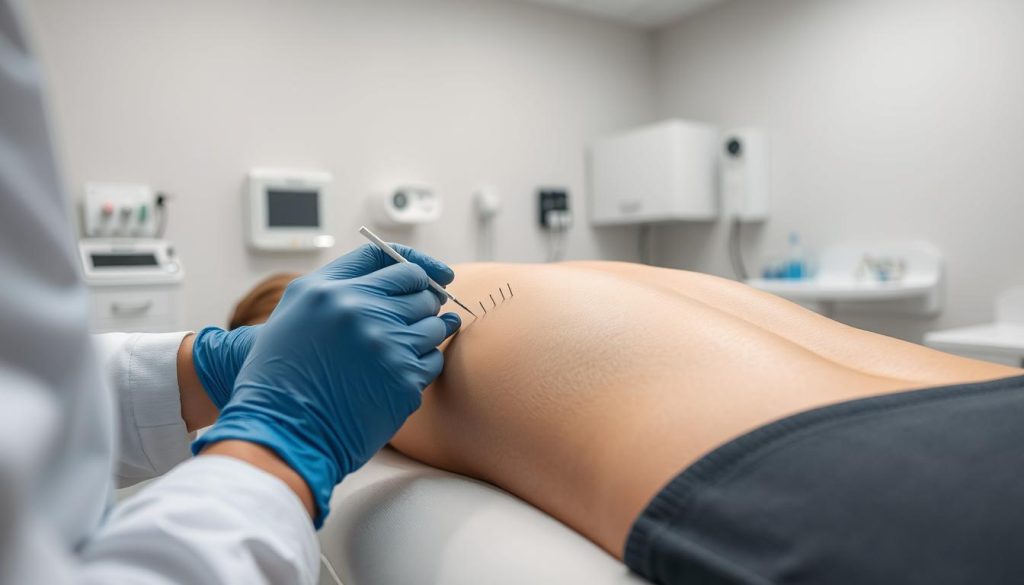
The Dry Needling Procedure Step-by-Step
The dry needling procedure involves several steps. First, your physical therapist will perform a thorough examination to identify the problematic areas. You’ll then be positioned comfortably, usually lying down, while the practitioner inserts the thin needles into specific areas. The needles used in needling are very thin, and the insertion may cause a brief sharp sensation, muscle twitching, or a dull ache, all of which are normal responses.
During the procedure, you may feel some discomfort, especially when the needle is inserted into a trigger point. Trigger points are usually painful to the touch, and you may experience some pain while your provider is locating the trigger point. However, this pain is typically temporary and subsides once the needle is correctly positioned.
What to Expect During Your First Treatment
During your first dry needling session, you can expect the entire process to last between 30-60 minutes, including assessment time. The actual needling portion typically takes around 10-30 minutes, depending on your condition. After the treatment, you may feel some tightness or soreness near the insertion site, but it’s essential to keep moving and stretching to enhance the benefits of the treatment.
It’s also important to note that you may experience various sensations during the procedure, ranging from nothing at all to a brief sharp sensation or muscle twitching. These responses are normal and usually subside shortly after the treatment. If you have any concerns or questions, don’t hesitate to discuss them with your practitioner.
What Types of Dry Needling Techniques Exist?
Dry needling is not a one-size-fits-all treatment; it comprises various techniques to suit individual patient requirements. When dry needling is applied to your muscles and tissues, it can decrease tightness, increase blood flow, and reduce local and referred pain.
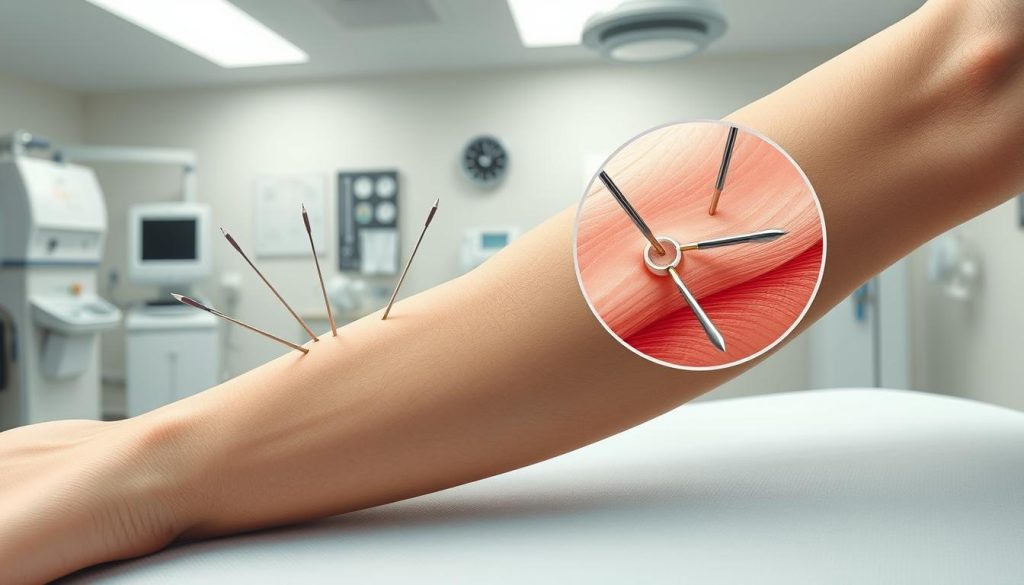
Deep Dry Needling
Deep dry needling involves inserting the needle into the deeper tissues to target trigger points within the muscle. This technique is particularly effective for treating pain that is localized to a specific area. By stimulating the deeper tissues, deep dry needling can help in reducing muscle tension and promoting healing.
Superficial Dry Needling
In contrast, superficial dry needling involves inserting the needle into the superficial layers of the tissue. This method is often used when the practitioner wants to stimulate the nervous system without directly targeting the deeper muscle tissues. It can be an effective approach for managing pain and promoting relaxation.
Intramuscular Stimulation
Intramuscular stimulation (IMS) is a specialized form of dry needling that focuses on treating neuropathic pain conditions. Developed by Dr. Chan Gunn, IMS targets both trigger points and areas of muscle shortening caused by nerve dysfunction, particularly around the spine and paraspinal muscles. Practitioners using IMS often employ a systematic approach, treating not just the painful area but also related spinal segments that may be contributing to the condition. The needles may be left in place longer than in other techniques, sometimes with gentle manipulation to enhance the therapeutic effect. IMS is particularly effective for chronic pain conditions that have a neuropathic component and haven’t responded well to other treatments.
What Tools and Needles Are Used in Dry Needling?
Dry needling, a procedure that’s gaining popularity for its effectiveness in treating muscle tension, relies on specific tools to achieve its therapeutic benefits. As an invasive treatment, it’s crucial that the equipment used adheres to strict safety standards to minimize risks.
Filiform Needles: The Standard Tool
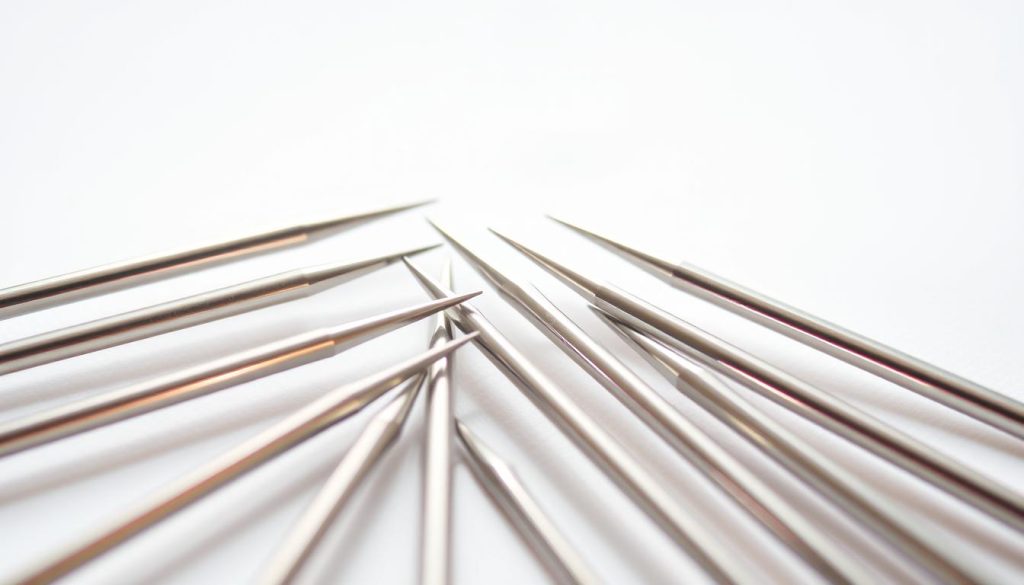
The primary tool used in dry needling is the filiform needle, which is typically made of stainless steel or silver. These needles are designed to be thin and flexible, allowing for precise insertion into the skin. The choice of needle length and diameter depends on the treatment area and the patient’s condition. For instance, longer needles may be used for deeper tissue, while shorter needles are preferred for more superficial treatments.
Equipment and Safety Protocols
To ensure safety during the dry needling procedure, practitioners follow strict safety protocols. This includes proper hand hygiene, use of gloves, and maintaining a clean treatment environment. Needles are kept in their sterile packaging until immediately before use, and used needles are disposed of in designated sharps containers to prevent accidents and infections. Additional equipment may include alcohol swabs for skin preparation and clean paper or table coverings to maintain a sterile field.
It’s also important for practitioners to screen patients thoroughly for contraindications and to be prepared for any adverse events. By following these safety protocols, the risk of complications, including infections and blood-borne pathogen transmission, can be significantly reduced.
What Conditions Can Dry Needling Treat?
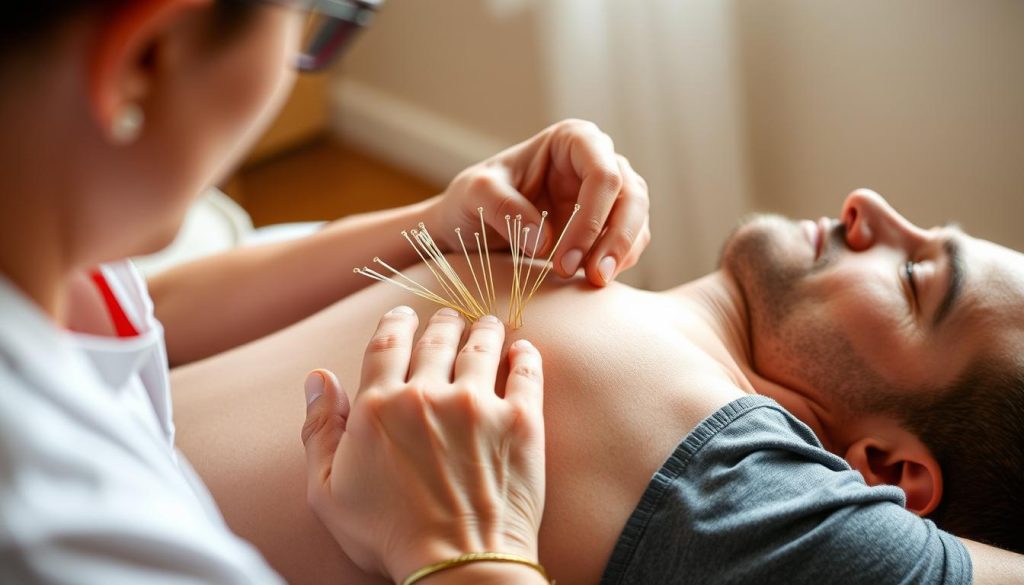
If you’re considering dry needling, it’s essential to understand the various conditions it can treat. Dry needling has emerged as a versatile treatment option for a wide range of musculoskeletal and neurological conditions. By targeting specific trigger points, dry needling can help alleviate pain, improve range of motion, and enhance overall function.
Myofascial Pain Syndrome
Dry needling is particularly effective in treating myofascial pain syndrome, a condition characterized by pain and inflammation in the muscles and surrounding fascia. By targeting trigger points within the affected muscles, dry needling can help reduce pain and improve muscle function.
Neck and Back Pain
Neck and back pain are common complaints that can be effectively managed with dry needling. This treatment can help relax tense muscles, improve joint mobility, and reduce pain and discomfort. Whether you’re experiencing acute or chronic neck or back pain, dry needling may be a valuable addition to your treatment plan.
Headaches and Migraines
Dry needling can also be beneficial for individuals suffering from headaches and migraines. By targeting trigger points in the neck and scalp, dry needling can help reduce the frequency and severity of these conditions. This can lead to improved quality of life and reduced reliance on pain medication.
Sports Injuries and Recovery
Athletes and individuals who engage in regular physical activity may benefit from dry needling as part of their injury recovery and prevention strategy. Dry needling can help promote healing, reduce muscle tension, and improve range of motion, allowing individuals to return to their normal activities more quickly.
Other Treatable Conditions
Beyond the common applications, dry needling has shown effectiveness for treating a wide range of other conditions, including arthritis pain, fibromyalgia, temporomandibular joint disorder (TMJ), and sports injuries. It may also be beneficial for neurological conditions with muscular components, such as certain types of dystonia or spasticity following stroke.
In conclusion, dry needling is a versatile treatment that can be used to address a variety of conditions. If you’re experiencing pain or limited mobility, consider discussing dry needling with your healthcare provider to determine if it’s right for you.
Why Choose Dry Needling for Muscle Tension?
When it comes to relieving muscle tension, dry needling is a treatment method worth considering. This technique has gained popularity for its effectiveness in addressing various musculoskeletal issues. By understanding its benefits, you can make an informed decision about incorporating it into your therapy regimen.
The Physiological Benefits of Dry Needling
Dry needling offers several physiological benefits that make it an attractive option for treating muscle tension. The technique involves inserting thin needles into specific areas of the muscle, known as trigger points, to stimulate a healing response. This process can lead to immediate relief from pain and tension.
The effects of dry needling are not limited to short-term relief. By addressing the root cause of muscle tension, dry needling can lead to more sustainable results. It’s a treatment that works by enhancing the body’s natural healing processes, making it a valuable component of a comprehensive therapy plan.
Advantages Over Other Treatment Methods
Dry needling has several advantages over other treatment methods for muscle tension. Unlike some therapies that only mask symptoms, dry needling targets the underlying cause of the pain. Here are some key benefits:
- Dry needling can target deep tissues that are difficult to access with manual techniques.
- It addresses the root cause of muscular pain, potentially leading to more sustainable results.
- The effects that dry needling produces can be quite rapid, often providing immediate relief.
- The technique requires minimal recovery time, allowing you to return to normal activities shortly after treatment.
- When integrated into a comprehensive therapy plan, dry needling can enhance the effectiveness of other interventions.
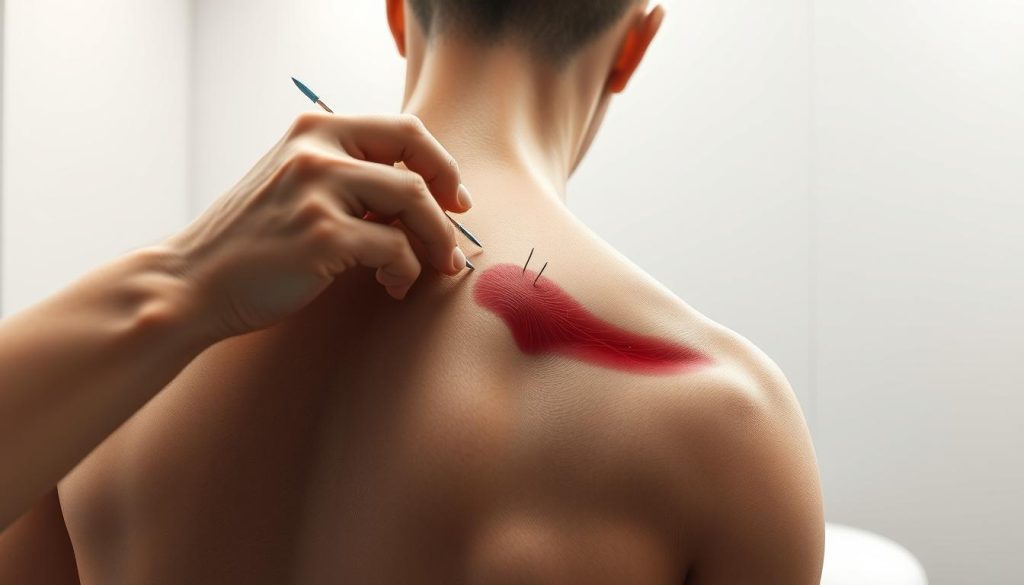
By choosing dry needling, you’re opting for a therapy that is both effective and efficient. Its ability to provide quick relief and promote long-term healing makes it an attractive option for those suffering from muscle tension.
Why Does Dry Needling Work?
The science behind dry needling’s success is rooted in its effects on trigger points, blood flow, and tissue repair. When your muscle is overused, it can lead to an energy crisis where the muscle fibers aren’t getting enough blood supply, oxygen, and nutrients. This results in the tissue near the trigger point becoming more acidic, sensitizing your nerves and making the area sore and painful.
Stimulating a trigger point with a needle, as in dry needling, helps restore normal blood supply, flushing out the area and releasing tension. This process is crucial for understanding how dry needling works.
The Local Twitch Response Explained
The local twitch response is a significant aspect of dry needling. It’s an involuntary contraction of the muscle fibers when the needle is inserted into the trigger point. This response is a sign that the treatment is effective in stimulating the targeted tissue.
The local twitch response helps in releasing the tension in the muscle, thereby reducing pain and improving range of motion. It’s a critical component of the needling process, indicating that the treatment is addressing the root cause of the pain.
Neurophysiological Effects
Dry needling not only affects the local tissue but also has neurophysiological effects. It can influence the nervous system’s pain processing pathways, leading to a reduction in pain perception. This is achieved by stimulating the nerves with the needle, which can help in calming down the sensitized nerves.
The neurophysiological effects of needling contribute to its therapeutic benefits, making it an effective treatment for various pain conditions.
Blood Flow and Tissue Healing
One of the key benefits of dry needling is its ability to increase blood flow to the treated area. The needle creates microtrauma, triggering a controlled inflammatory response that enhances blood circulation and initiates tissue repair mechanisms.
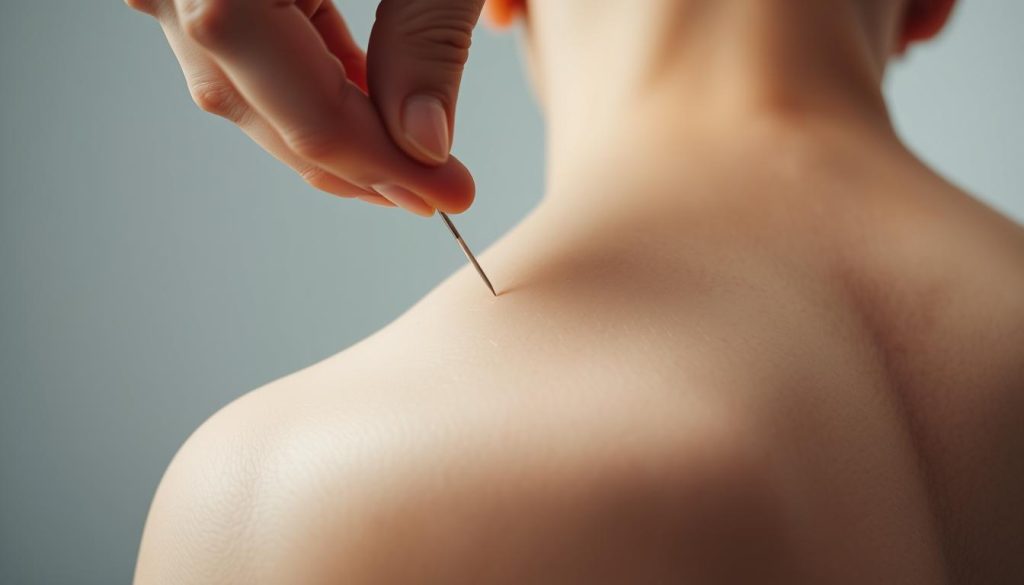
Increased blood flow helps flush out inflammatory mediators and pain-producing substances that accumulate in trigger points and dysfunctional tissue. This leads to improved oxygen and nutrient delivery, resolving the energy crisis that contributes to trigger point formation.
The mechanical stimulation of tissue promotes the release of growth factors and cytokines that facilitate healing and tissue regeneration. Research has confirmed significant increases in local blood flow following dry needling treatments, supporting its mechanism of action.
Why Consider the Scientific Evidence Behind Dry Needling
To fully appreciate the benefits of dry needling, one must look at the existing body of research and its limitations. As you consider this treatment option, understanding the scientific evidence is crucial for making informed decisions about your care.
Current Research and Clinical Studies
Research into dry needling has shown promising results, particularly in the treatment of myofascial pain syndrome. A review of studies found that dry needling, compared to sham or placebo treatments, can decrease pain immediately after treatment and at 4 weeks in patients with upper quarter myofascial pain syndrome. The effects of dry needling on pain reduction have been a significant area of study, with many researchers exploring its potential benefits.
The current body of research includes various studies on the effects of dry needling on different conditions, including neck and back pain, headaches, and sports injuries. While the results are encouraging, it’s essential to consider the scope and quality of these studies.
Limitations in Current Research
Despite the growing evidence supporting dry needling, several limitations exist in the current research. Some of the key challenges include:
- Inconsistent terminology and techniques across studies make it difficult to compare results directly.
- Lack of adequate control groups, blinding procedures, or standardized outcome measures in many studies.
- Limited research on the long-term effects of dry needling, with most studies focusing on short-term outcomes.
- Insufficient data on optimal treatment parameters, such as frequency and duration, leading to variations in clinical practice.
- The heterogeneity of patient populations and conditions studied complicates the establishment of definitive guidelines for treatment.
Understanding these limitations is vital for both practitioners and patients as they navigate the current landscape of dry needling treatment. By acknowledging the strengths and weaknesses of the existing research, you can make more informed decisions about your care.
How to Prepare for Your Dry Needling Treatment
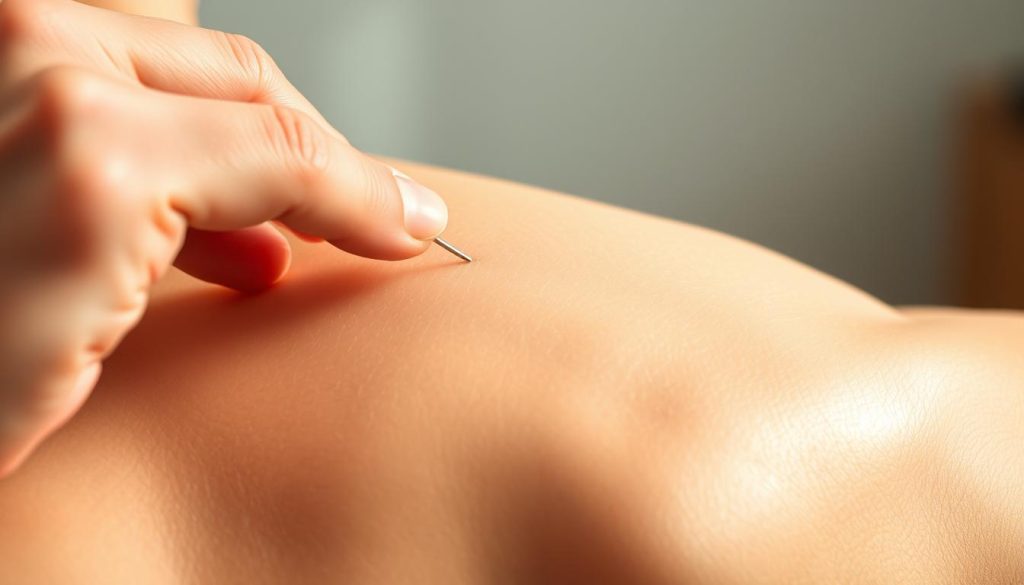
To get the most out of your dry needling session, it’s essential to prepare properly beforehand. Proper preparation can enhance the effectiveness of the dry needling treatment and ensure a smooth experience.
Before Your Appointment
Before your dry needling appointment, there are a few things you can do to prepare. It’s a good idea to arrive a few minutes early to complete any necessary paperwork. You should also be ready to discuss your medical history, including any medications you’re currently taking, with your physical therapist. This information is crucial for developing a safe and effective treatment plan.
What to Wear and Bring
When it comes to what to wear, opt for loose, comfortable clothing that can be easily adjusted to expose the treatment areas while maintaining your privacy and comfort during the session. For lower body treatments, consider wearing shorts; for upper body work, tank tops or sports bras (for women) provide good access while maintaining appropriate coverage.
It’s also a good idea to bring a few items to your appointment. Bring a complete list of your current medications, supplements, and any medical conditions to share with your physical therapist during the initial assessment. Consider bringing a water bottle to stay hydrated during and after your treatment, as proper hydration supports the body’s response to needling. If you have relevant medical records, imaging reports, or previous treatment notes, bring these documents to help your therapist develop the most effective treatment plan.
How to Find a Qualified Dry Needling Practitioner
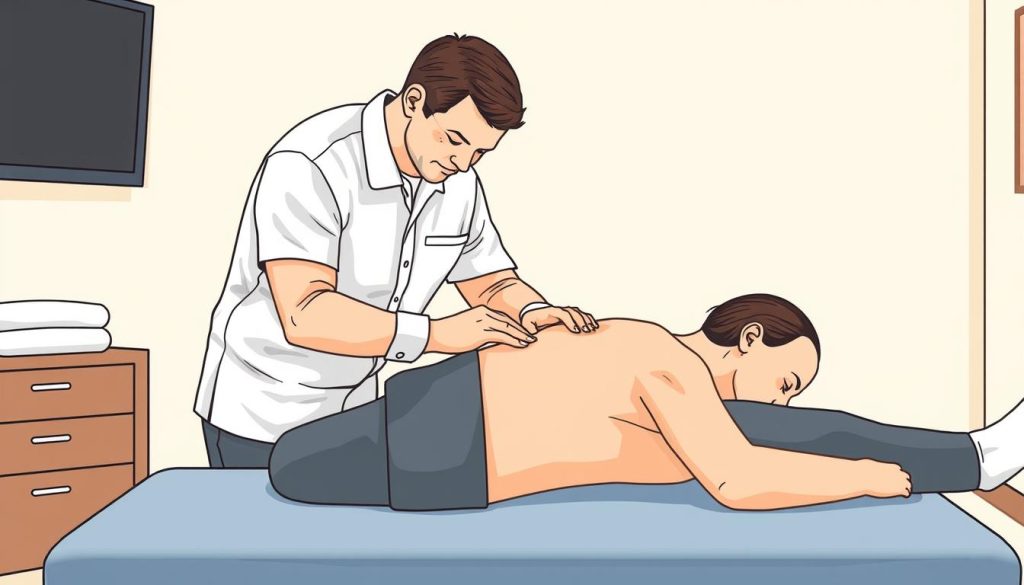
Dry needling can be highly effective when performed by a qualified and experienced practitioner. As you search for a dry needling therapist, it’s essential to consider several factors to ensure you receive the best possible care.
Qualifications to Look For
When seeking a dry needling practitioner, look for individuals who have completed a recognized dry needling certification program. Although the certification requirements for dry needling are not as standardized as those for acupuncture, a reputable program should provide comprehensive training in dry needling techniques and safety protocols.
It’s also beneficial to find a practitioner who is a licensed physical therapist or healthcare professional, as they are more likely to integrate dry needling into a comprehensive treatment plan that includes other evidence-based therapies.
Questions to Ask Your Provider
Before undergoing dry needling treatment, ask your provider about their experience and qualifications. Inquire about their specific training in dry needling, the number of sessions they’ve performed, and how they will tailor the treatment to your needs.
It’s also wise to ask about their approach to patient care and how they will monitor your progress throughout the therapy sessions.
Red Flags to Watch Out For
Be cautious of practitioners who guarantee results or make unrealistic claims about dry needling. Avoid providers who recommend excessively long treatment plans without clear reassessment points or insist on prepayment for multiple sessions.
Other red flags include practitioners who dismiss your concerns or cannot clearly explain the risks and benefits of dry needling specific to your condition. Be wary of clinics that use dry needling as a standalone treatment without integrating other evidence-based approaches.
By being diligent in your search for a qualified dry needling practitioner, you can ensure a safe and effective needling experience. Remember, the key to successful dry needling lies not only in the technique itself but also in the expertise of the practitioner performing it.
How to Maximize the Benefits of Dry Needling
Maximizing the benefits of dry needling requires a comprehensive approach that goes beyond the treatment itself. To get the most out of your dry needling sessions, it’s crucial to combine them with other therapies and follow proper post-treatment care.
Dry needling is not a standalone procedure; it’s most effective when used in conjunction with other treatment methods, including manual soft tissue mobilization, neuromuscular re-education, functional retraining, and therapeutic exercises, as recommended by the American Physical Therapy Association (APTA).
Complementary Treatments and Exercises
To enhance the effects of dry needling, several complementary treatments and exercises can be employed. These include:
- Staying well-hydrated after your dry needling session helps flush out metabolic byproducts and support tissue healing.
- Applying moist heat to the treated areas to enhance blood flow and reduce post-needling soreness.
- Performing gentle, pain-free movements and prescribed stretches to maintain mobility gains and prevent stiffness.
Post-Treatment Care
Proper post-treatment care is vital to ensure that you reap the full benefits of dry needling. This includes avoiding intense exercise or activities that significantly stress the treated muscle for 24-48 hours after treatment. Additionally, monitoring your response to treatment by keeping a simple pain journal can help guide future dry needling sessions and other complementary therapies.
By combining dry needling with these complementary approaches and being mindful of post-treatment care, you can effectively manage pain and improve overall muscle function.
How Many Sessions of Dry Needling Will You Need?
Understanding how many dry needling sessions you’ll need can be a crucial part of your treatment plan. The number of treatments required varies based on several factors, including the severity of your condition, your overall health, and how your body responds to dry needling.
Treatment Frequency and Duration
The frequency and duration of dry needling treatments are critical components of an effective treatment plan. Although the optimal frequency, duration, and intensity of dry needling have yet to be determined for many neuromusculoskeletal conditions, research suggests that manually stimulating the needles and leaving them in situ for between 10 and 30 minutes is effective. Your practitioner will determine the best treatment schedule for your specific needs, which may involve regular sessions over a set period.
Signs of Progress and When to Expect Results
You can track the effectiveness of your dry needling treatment by monitoring changes in your symptoms and functional abilities. Many patients report immediate improvements after their first session, such as decreased pain and improved range of motion. To measure progress, note improvements in daily activities that were previously painful or difficult. Positive signs include longer periods between pain episodes, decreased intensity of symptoms, and reduced need for pain medications. Your practitioner will also perform objective measurements, such as range of motion assessments and strength testing, to evaluate your progress.
By understanding the factors that influence the number of dry needling sessions needed and tracking your progress, you can work with your practitioner to develop an effective treatment plan that addresses your specific needs and promotes optimal recovery.
How Safe Is Dry Needling?
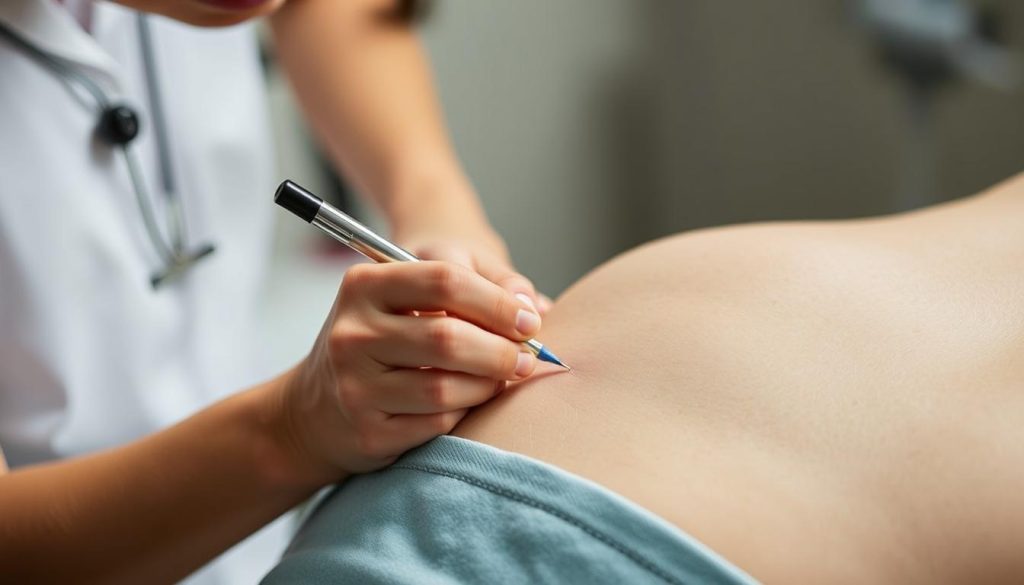
Understanding the safety profile of dry needling is essential for individuals contemplating this therapy. Dry needling, a procedure used to treat muscle tension, involves the insertion of thin needles into specific areas of the body. While generally considered safe when performed by a qualified physical therapist, there are potential risks and side effects to be aware of.
Common Side Effects and Risks
Most people tolerate dry needling well, but some may experience minor side effects, including pain, bruising, or bleeding at the needle site. More serious complications, such as infection or nerve damage, are rare but can occur. It’s essential to discuss these risks with your practitioner before undergoing dry needling or needling treatment.
Who Should Avoid Dry Needling
Certain individuals should avoid dry needling or consult with their physician before undergoing the procedure. These include people with needle phobia, compromised immune systems, or bleeding disorders. Pregnant women, especially in the first trimester, should generally avoid dry needling or receive modified treatments with careful consideration of needle placement. Additionally, individuals taking blood thinners may still be candidates for dry needling, but should inform their practitioner to minimize bruising.
It’s also crucial to note that dry needling is not recommended for children under the age of 12 due to the potential for pain and the need for both the child and parent to provide consent. Other groups who should exercise caution include those with local skin infections, open wounds, or active cancer in the treatment area, as these conditions may be aggravated by the needling process.
How Dry Needling Fits Into a Comprehensive Pain Management Plan
A comprehensive pain management plan often involves multiple treatment modalities, with dry needling being a key component. Effective pain management requires a multi-faceted approach that addresses the complex factors contributing to an individual’s pain. Dry needling, as part of this approach, can provide significant benefits when integrated with other therapies.
Integrating Dry Needling with Physical Therapy
Dry needling is particularly effective when combined with physical therapy. According to the American Academy of Orthopedic Manual Physical Therapists, dry needling is a neurophysiological, evidence-based treatment technique that requires effective manual assessment of the neuromuscular system. Physical therapists are well-trained to utilize dry needling with manual physical therapy interventions. By combining dry needling with physical therapy, patients can experience improved pain control and reduced muscle tension.
The integration of dry needling with physical therapy allows for a more comprehensive treatment plan. Research supports that dry needling improves pain control, reduces muscle tension, normalizes biochemical and electrical dysfunction of motor end plates, and facilitates an accelerated return to active rehabilitation. This makes it an invaluable tool in the hands of a skilled physical therapist.
Long-Term Management Strategies
Developing a long-term management strategy after your initial dry needling treatment series is essential for maintaining results and preventing symptom recurrence. To achieve this, you should work closely with your physical therapist to identify and address the underlying factors that contributed to your condition, such as postural habits, movement patterns, or workplace ergonomics.
- Incorporate a regular home exercise program designed specifically for your needs, focusing on strength, flexibility, and motor control of previously problematic areas.
- Consider periodic “maintenance” dry needling sessions if you have a chronic condition or work in an occupation that places ongoing stress on your musculoskeletal system.
- Implement lifestyle modifications that support musculoskeletal health, including proper hydration, nutrition, stress management, and adequate sleep, all of which complement the effects of your dry needling treatments.
By adopting these strategies, you can effectively manage your pain and reduce the likelihood of symptom recurrence. It’s essential to view dry needling as part of a broader pain management plan, rather than a standalone treatment. With the right combination of therapies and lifestyle changes, you can achieve lasting relief from pain and improved overall well-being.
At MOTION RX, our experienced physical therapists are dedicated to helping you develop a personalized treatment plan that incorporates dry needling and other effective therapies. By taking a comprehensive approach to pain management, you can regain control over your life and enjoy a better quality of life. We encourage you to contact us today to learn more about how dry needling can be integrated into your treatment plan.
What to Expect After Dry Needling Treatment
Understanding the aftermath of dry needling treatment is crucial for a smooth recovery. After your session, it’s normal to experience some sensations that might seem unusual but are typically part of the healing process.
Normal Post-Treatment Sensations
After dry needling, you may feel tightness or soreness near the insertion site. This is a common reaction and usually subsides within a short period. It’s essential to keep moving and stretching to help your body recover.
The local twitch response elicited during dry needling can lead to temporary muscle soreness, similar to what you might experience after a strenuous workout. This soreness is generally mild and should not last long.
Recovery Timeline
The recovery timeline after dry needling can vary from person to person. Generally, any soreness or discomfort should decrease within 24 to 48 hours. If you experience pain that persists or worsens, it’s crucial to contact your physical therapist.
When to Contact Your Provider
While some soreness is normal, there are instances where you should reach out to your provider. Be aware of the following scenarios:
- Contact your physical therapist immediately if you experience severe or increasing pain that differs significantly from the normal post-treatment soreness described during your session.
- Seek prompt medical attention if you develop signs of infection at needle sites, including increasing redness, warmth, swelling, or discharge.
- Report any unusual symptoms such as dizziness, nausea, or severe headache that persist beyond the treatment day.
- Reach out to your provider if you notice any significant changes in sensation, such as numbness, tingling, or weakness that weren’t present before treatment.
- Don’t hesitate to contact your therapist with questions about your recovery or if you’re uncertain whether your post-treatment experience is normal.
By understanding what to expect after dry needling treatment, you can better navigate your recovery and make the most out of your therapy sessions.
Taking the Next Step with Dry Needling
When performed by qualified practitioners like those at MOTION RX, dry needling has an excellent safety profile with minimal side effects compared to many other pain management interventions. If you’re struggling with persistent muscle tension, pain, or movement limitations, MOTION RX’s team of specialized physical therapists can evaluate your condition and determine if dry needling might be an appropriate component of your individualized treatment plan.
Don’t let muscle tension and pain limit your life any longer. Contact MOTION RX today to discover how their integrative approach to physical therapy, including specialized dry needling techniques, can help you move better, feel better, and live better. By scheduling a comprehensive evaluation, you can take the first step towards a pain-free life with the help of experienced professionals.