
Yes — dry needling relieves muscle tension by inserting a thin needle directly into a myofascial trigger point, causing the contracted muscle fibers to release, restoring blood flow, and breaking the pain-spasm cycle. At MOTION RX, our Doctors of Physical Therapy use it as a precise, evidence-based tool.
Dry needling is a physical therapy technique that uses thin, sterile needles to target myofascial trigger points — tight knots within muscle tissue that cause local and referred pain. It is used to relieve chronic muscle tension, improve range of motion, and support recovery from sports injuries and musculoskeletal conditions.
This guide covers everything you need to know: what a dry needling procedure involves, what happens during a dry needling session, how deep muscle needling works, what conditions it treats, and what to expect before and after treatment.
At MOTION RX, dry needling is performed by Doctors of Physical Therapy as part of a comprehensive, 1-on-1 treatment plan tailored to your specific condition and goals.
Key Takeaways
- Dry needling targets myofascial trigger points — tight, knotted bands of muscle — using thin, sterile needles to release tension and restore normal function.
- A dry needling session typically lasts 30–60 minutes including assessment, with needling itself taking 10–30 minutes.
- Deep muscle needling reaches tissues that hands and foam rollers cannot — making it effective for chronic, deep-seated pain.
- According to a systematic review by Kietrys et al. (2013) in the Journal of Orthopedic & Sports Physical Therapy, dry needling significantly reduces pain in patients with upper quarter myofascial pain syndrome compared to sham treatments — Grade A evidence.
- Dry needling is most effective when combined with physical therapy, movement correction, and strength training.
- MOTION RX offers dry needling across Jacksonville, Jacksonville Beach, and Clearwater, FL.
What Is Dry Needling?
Dry needling is a physical therapy technique that uses thin, sterile filiform needles to target myofascial trigger points — tight, hyperirritable knots within muscle tissue that cause both local and referred pain.
The term “dry” means the needle contains no medication or fluid. The needle itself is the treatment — its mechanical stimulation triggers a cascade of biological responses that release tension, restore blood flow, and reduce pain signals.
Dry needling is grounded in Western medicine and modern neuromuscular science. It is not acupuncture. While both use similar needles, their principles, targets, and mechanisms are entirely different.
Dry Needling vs. Acupuncture
| Dry Needling | Acupuncture | |
| Foundation | Western medicine | Traditional Chinese Medicine |
| Target | Myofascial trigger points | Energy meridians (Qi) |
| Goal | Reduce pain and muscle dysfunction | Restore energy balance |
| Provider | Licensed physical therapist | Licensed acupuncturist |
| Evidence base | Neuromuscular and orthopedic research | Traditional and emerging research |
What Is a Dry Needling Procedure?
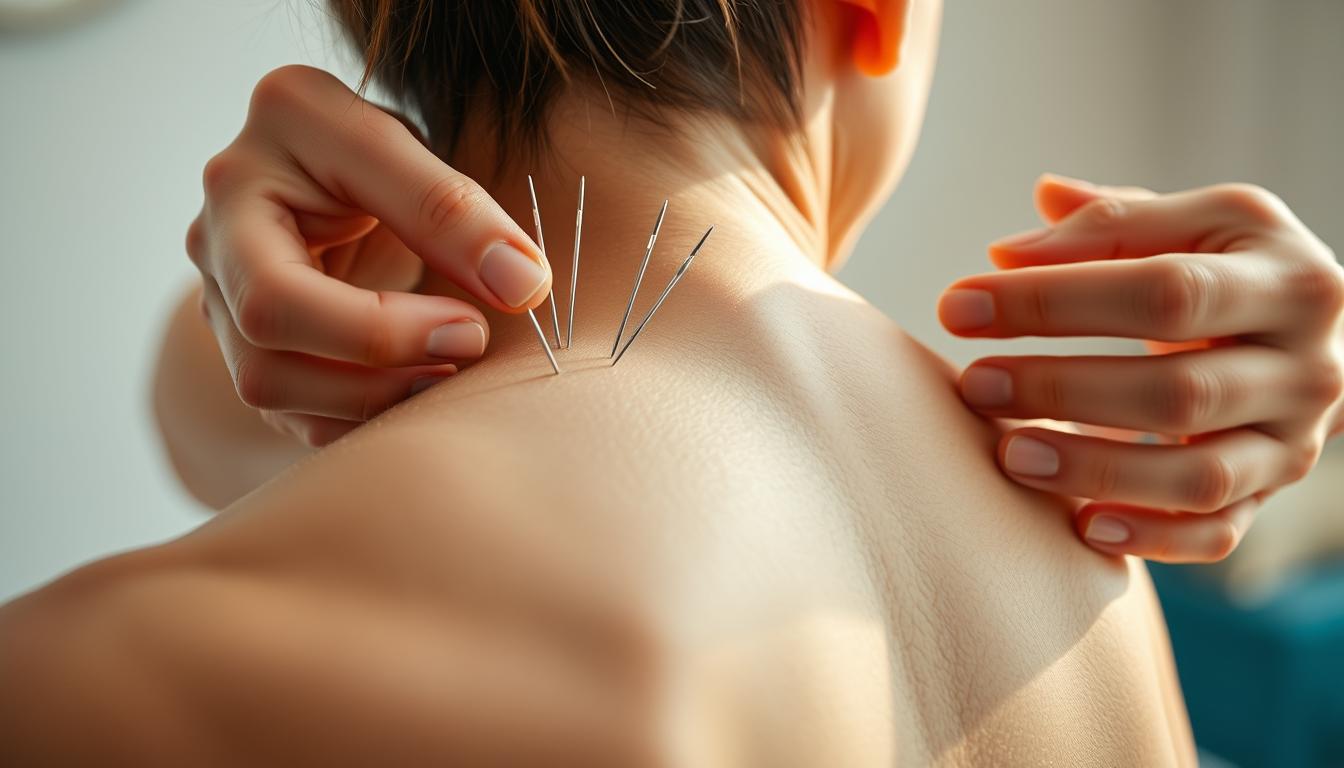
A dry needling procedure begins with a thorough physical therapy assessment to identify the specific trigger points contributing to your pain or movement restriction. Once located, your therapist inserts a thin, sterile needle directly into the trigger point.
The most important sign the procedure is working is the local twitch response (LTR) — an involuntary, brief contraction of the muscle when the needle contacts the trigger point. Patients often describe it as a quick cramp or deep ache. Following the twitch, the muscle releases tension and blood flow increases — reducing pain and restoring function.
Step-by-Step: The Dry Needling Procedure
Step 1: Assessment Your physical therapist performs a hands-on evaluation identifying active trigger points, restricted movement patterns, and areas of referred pain.
Step 2: Positioning You’ll be positioned comfortably — typically lying down — with access to the treatment area. Wear loose, comfortable clothing.
Step 3: Needle Insertion A sterile, single-use needle is inserted into the identified trigger point. You’ll feel a brief prick, followed by a deep ache or muscle twitch — both normal and expected responses.
Step 4: Stimulation The needle may be gently manipulated to enhance the therapeutic response, or left in place for 10–30 minutes. Multiple trigger points may be treated in a single session.
Step 5: Needle Removal and Follow-Up Needles are removed and disposed of immediately. Your therapist follows up with manual therapy, movement work, or therapeutic exercises to reinforce the session’s gains.
What Is a Dry Needling Session Like?
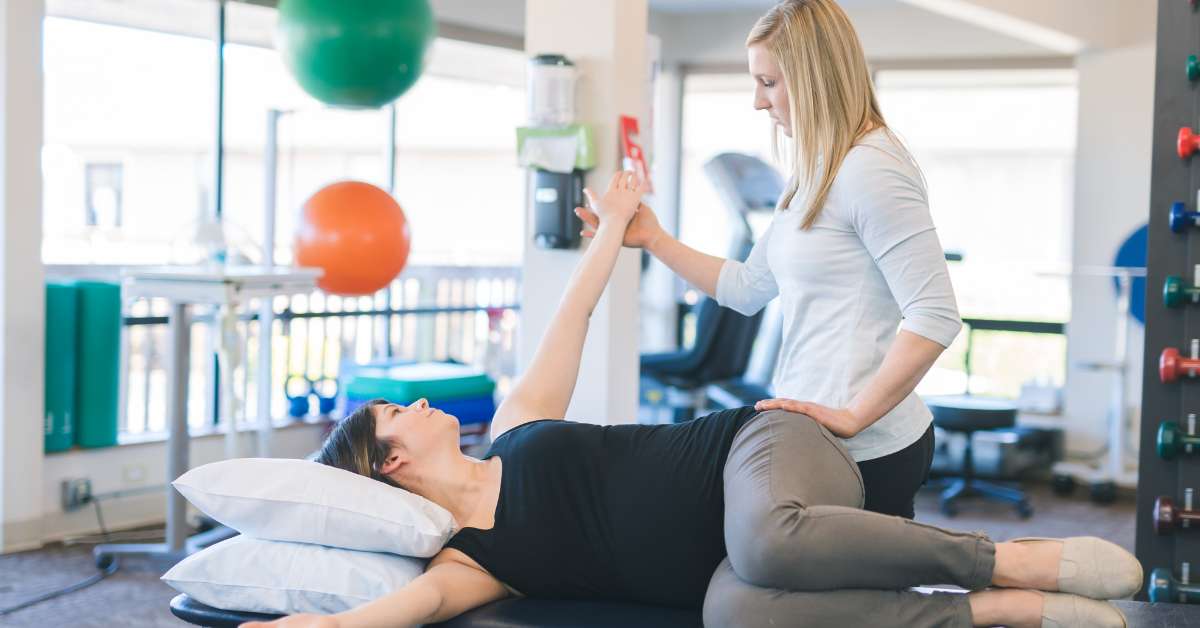
A dry needling session at MOTION RX is always part of a broader, individualized treatment plan — never a standalone appointment.
What to expect:
- Total duration: 30–60 minutes including assessment and follow-up
- Needling time: 10–30 minutes of active treatment
- Sensations: Brief prick on insertion, followed by deep pressure, aching, or a muscle twitch
- After the session: Mild soreness for 24–48 hours, similar to post-workout fatigue
- Activity: Light movement encouraged. Avoid intense training for 24 hours.
How many sessions will you need?
Most patients notice meaningful improvement within 2–4 sessions. Research by Kietrys et al. (2013) confirms significant pain reduction both immediately after treatment and at 4 weeks. Chronic or complex conditions may require more sessions. Your MOTION RX therapist tracks your progress after every appointment and adjusts accordingly.
Signs you’re progressing:
- Longer gaps between pain episodes
- Decreased pain intensity
- Improved range of motion
- Reduced muscle tightness
- Better performance during exercise or sport
What Is Deep Muscle Needling?
Deep muscle needling targets trigger points within deeper muscle groups — muscles that hands, foam rollers, and surface massage simply cannot reach effectively.
Common areas treated with deep muscle needling:
- Gluteus medius and minimus — deep hip muscles contributing to low back pain and IT band issues
- Psoas — deep hip flexor involved in lower back pain and anterior pelvic tilt
- Quadratus lumborum (QL) — deep lower back muscle responsible for chronic low back and hip pain
- Rotator cuff (infraspinatus, subscapularis) — deep shoulder muscles involved in impingement and rotator cuff pain
- Piriformis — deep hip rotator contributing to sciatic-type pain
- Deep cervical muscles — involved in chronic neck pain and cervicogenic headaches
Deep muscle needling is especially valuable for athletes because the muscles generating the most force — and experiencing the most stress — are often the deepest ones. Surface treatments rarely address them adequately.
Deep vs. Superficial Dry Needling
| Deep Muscle Needling | Superficial Dry Needling | |
| Target depth | Deep muscle belly, below fascia | Superficial tissue layers |
| Best for | Chronic, deep-seated trigger points | Nervous system sensitization |
| Needle length | Longer (dependent on muscle depth) | Shorter |
| Sensation | Stronger deep ache or twitch | Lighter pressure |
| Common areas | Glutes, psoas, QL, rotator cuff | Upper trapezius, forearm, tibialis |
Dry Needling Techniques Used at MOTION RX
Deep Dry Needling
Penetrates beyond surface tissue into the muscle belly to target trigger points in deeper layers. Used when massage and foam rolling cannot reach the pain source. Most effective for gluteal, hip flexor, lower back, and rotator cuff dysfunction.
Superficial Dry Needling
Inserts the needle into superficial tissue layers to stimulate the nervous system without directly targeting deeper muscle. Effective for managing pain and promoting relaxation in sensitized tissue.
Intramuscular Stimulation (IMS)
A specialized form of dry needling developed by Dr. Chan Gunn, IMS targets both trigger points and areas of muscle shortening caused by nerve dysfunction — particularly around the spine and paraspinal muscles.
IMS practitioners use a systematic approach, treating not just the painful area but related spinal segments that may be contributing to the condition. Needles may be left in place longer than in standard techniques, sometimes with gentle manipulation. IMS is particularly effective for chronic pain conditions with a neuropathic component that haven’t responded well to other treatments.
How Does Dry Needling Therapy Work?
Dry needling works through four key physiological mechanisms:
- Trigger Point Release The needle contacts the trigger point and produces a local twitch response — the tight muscle fibers release their contracted state, breaking the pain-spasm-pain cycle.
- Improved Blood Flow Trigger points compress surrounding capillaries, starving the tissue of oxygen and nutrients. The needle creates controlled micro-trauma that increases local blood flow, flushing out inflammatory substances and metabolic waste.
- Neurophysiological Pain Modulation Dry needling influences how the nervous system processes pain by stimulating peripheral nerves — interrupting ascending pain signals and encouraging the release of endorphins and natural pain-modulating substances.
- Restoration of Normal Muscle Function By releasing trigger points and improving neuromuscular signaling, dry needling restores normal motor patterns — muscles that were guarded, inhibited, or overactive begin functioning correctly, producing immediate improvements in range of motion and movement quality.
Conditions Treated with Dry Needling
Dry needling is integrated into MOTION RX treatment plans for a wide range of conditions:
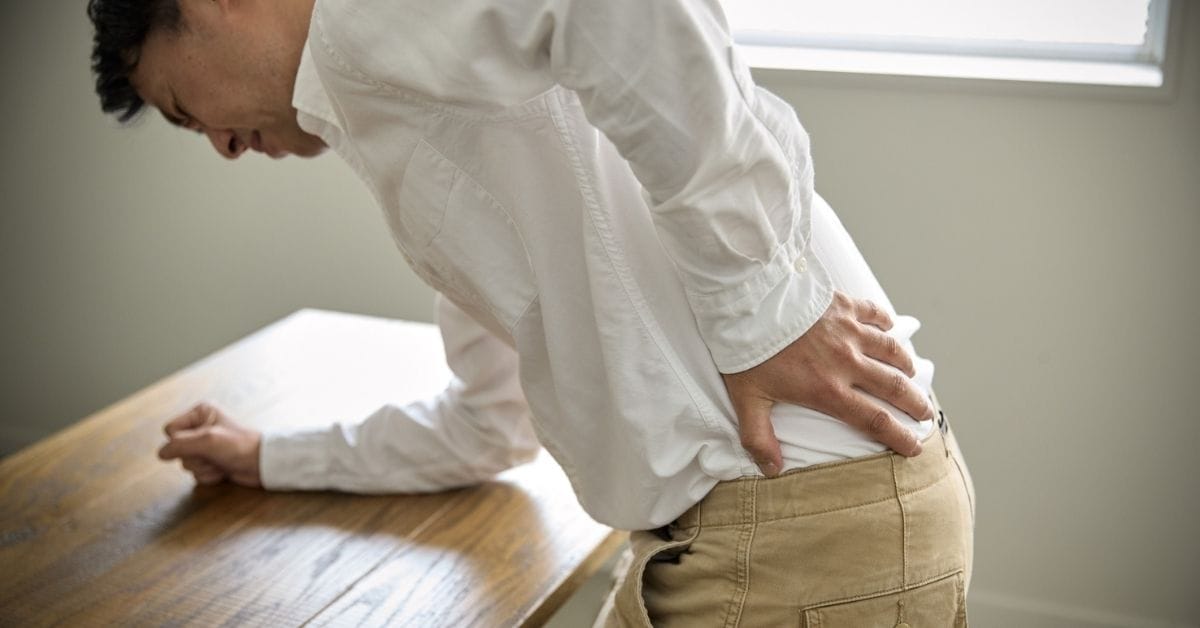
Neck and Back Pain
- Chronic neck pain and stiffness
- Cervicogenic headaches
- Lower back pain and lumbar tightness
- Back pain and sciatica
Shoulder and Upper Extremity
- Rotator cuff pain and dysfunction
- Shoulder impingement
- Tennis elbow and golfer’s elbow
- Shoulder pain
Hip and Lower Extremity
- Hip and knee pain
- IT band syndrome
- Plantar fasciitis
- Achilles tendinitis
- Tendinitis
- Foot and ankle pain
Sports Performance and Injury
Other Conditions
- Myofascial pain syndrome
- Fibromyalgia
- TMJ (jaw) pain
- Arthritis
- Joint pain
- Post-surgical muscle guarding
The Research Behind Dry Needling
The most robust clinical evidence comes from research on myofascial pain syndrome.
A systematic review and meta-analysis by Kietrys et al. (2013), published in the Journal of Orthopaedic & Sports Physical Therapy, found that dry needling is recommended over sham treatment for decreasing pain immediately after treatment and at 4 weeks in patients with upper quarter myofascial pain syndrome — Grade A evidence.
Additional research supports dry needling’s effectiveness for neck pain, plantar fasciitis, shoulder impingement, lower back pain, and post-surgical rehabilitation.
Limitations Worth Knowing
The research is promising but not without gaps. Some limitations in current studies include:
- Inconsistent terminology and techniques across studies make direct comparisons difficult
- Most studies focus on short-term outcomes — long-term data is still limited
- Optimal session frequency and duration haven’t been definitively established
- Patient populations vary significantly across studies
Understanding these limitations helps set realistic expectations. Dry needling is a powerful tool — but it works best as part of a comprehensive treatment plan, not a one-session cure.
Is Dry Needling Treatment Safe?
Yes — dry needling has an excellent safety profile when performed by a licensed, certified physical therapist.
Common side effects (mild and temporary):
- Muscle soreness at the needle site (24–48 hours)
- Minor bruising or bleeding
- Temporary fatigue after treatment
Who should use caution or avoid dry needling:
- Individuals with bleeding disorders or on blood thinners
- Active skin infections or open wounds near the treatment area
- Significant needle phobia
- Pregnant women, especially in the first trimester
- Patients with compromised immune systems
- Children under 12
Is dry needling legal in Florida?
Yes. As of July 1, 2020, Florida Statute 486.117 permits qualified physical therapists to perform dry needling. All MOTION RX therapists meet Florida’s certification requirements.
How to Find a Qualified Dry Needling Practitioner
Not all dry needling providers are equal. Here’s what to look for — and what to avoid.
Qualifications to look for:
- Licensed physical therapist or licensed healthcare professional
- Completed a recognized dry needling certification program
- Experience integrating dry needling into comprehensive treatment plans
- Willing to clearly explain risks, benefits, and realistic outcomes for your specific condition
Questions to ask your provider:
- What is your specific training in dry needling?
- How many dry needling sessions have you performed?
- How will you tailor treatment to my condition?
- How will you monitor my progress?
Red flags to watch out for:
- Providers who guarantee results or make unrealistic claims
- Clinics recommending excessively long treatment plans without clear reassessment points
- Requiring prepayment for multiple sessions upfront
- Practitioners who dismiss your concerns or can’t clearly explain risks
- Clinics using dry needling as a standalone treatment without other evidence-based approaches
At MOTION RX, every dry needling session is performed by a Doctor of Physical Therapy and integrated into a personalized treatment plan with clear progress checkpoints.
How to Prepare for Your First Session
Before your appointment:
- Wear loose, comfortable clothing that allows easy access to the treatment area
- Eat a light meal and stay hydrated — avoid arriving on an empty stomach
- Bring a list of current medications, especially blood thinners
- Communicate any needle sensitivity or anxiety to your therapist
After your session:
- Drink plenty of water to support tissue healing
- Apply moist heat to sore areas if needed
- Perform gentle movement or stretches your therapist prescribed
- Avoid intense training for 24 hours
- Keep a simple pain journal to track your response — this helps guide future sessions
When to contact your provider:
Some post-treatment soreness is completely normal. But reach out to your MOTION RX therapist if you experience any of the following:
- Severe or increasing pain that differs significantly from the normal post-treatment soreness your therapist described
- Signs of infection at needle sites — increasing redness, warmth, swelling, or discharge
- Unusual symptoms such as dizziness, nausea, or severe headache that persist beyond the treatment day
- Significant changes in sensation — numbness, tingling, or weakness not present before treatment
When in doubt, contact your therapist. There’s no such thing as an unnecessary check-in when it comes to your recovery.
Dry Needling as Part of a Complete Treatment Plan
Dry needling is most effective as one component of a comprehensive rehabilitation plan. At MOTION RX, it is always paired with:
- 1-on-1 physical therapy — hands-on care with the same therapist every session
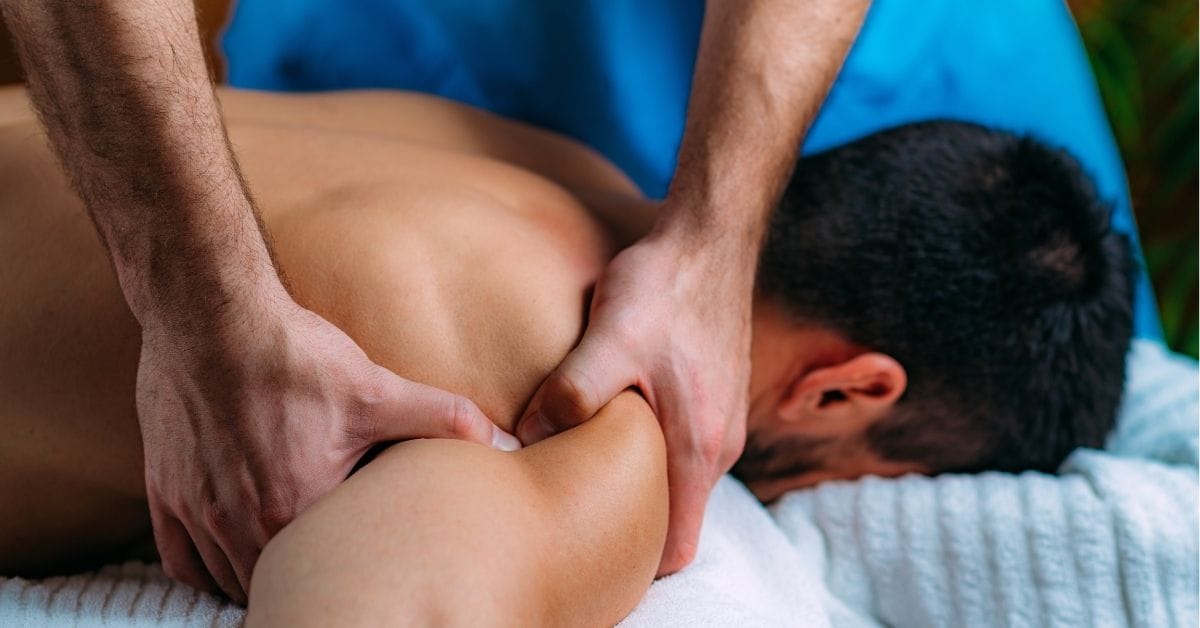
- Manual therapy — soft tissue and joint mobilization
- Movement assessment — identifying faulty patterns contributing to your pain
- Therapeutic exercise — targeted strength and mobility work
- Sports rehabilitation — sport-specific programming to return you to performance
- Blood flow restriction therapy — advanced recovery tool often combined with dry needling
This integrated approach separates MOTION RX from clinics offering dry needling in isolation. Releasing a trigger point is step one. Retraining the movement pattern that caused it is what makes the result last.
Book Dry Needling in Jacksonville & Clearwater
MOTION RX serves active adults and athletes across three Florida locations. No referral required — contact us directly to schedule your evaluation.
Jacksonville 7901 Baymeadows Way, Suite 5, Jacksonville, FL 32256 (904) 414-3796 · frontdesk@motionrxhealth.com
Clearwater 3700 Ulmerton Rd, Suite 202, Clearwater, FL 33762 (727) 826-7142 · frontdesk@motionrxhealth.com
Led by Dr. Peter Yu, a board-certified Doctor of Physical Therapy with advanced credentials in dry needling, strength and conditioning, CrossFit coaching, golf performance, Olympic weightlifting, and endurance sports.
Frequently Asked Questions
What is a dry needling procedure?
A dry needling procedure involves inserting thin, sterile needles into myofascial trigger points — tight knots within muscle tissue — to release tension, improve blood flow, and reduce pain. There is no medication in the needle. A full procedure includes a physical therapy assessment, needle insertion into targeted muscles, a local twitch response indicating the treatment is working, and follow-up movement or exercise.
What is a dry needling session like?
A dry needling session at MOTION RX lasts 30–60 minutes total. The needling portion takes 10–30 minutes. You’ll feel a brief prick on insertion followed by a deep ache or muscle twitch — both normal signs the treatment is working. Most patients experience mild soreness for 24–48 hours afterward, followed by noticeable relief in pain and movement.
What is deep muscle needling?
Deep muscle needling targets trigger points within deeper muscle groups — like the glutes, psoas, rotator cuff, and quadratus lumborum — that surface treatments cannot effectively reach. It uses longer needles, produces a stronger twitch response, and is particularly effective for chronic, deep-seated pain and sports-related muscle dysfunction.
How many dry needling sessions will I need?
Most patients experience meaningful relief within 2–4 sessions. Chronic or complex conditions may require more. Your MOTION RX therapist assesses your response after each session and adjusts the plan accordingly.
Does dry needling hurt?
There is a brief prick on insertion and often a deep ache or muscle twitch. Most patients describe it as uncomfortable for a few seconds rather than painful. Soreness afterward typically resolves within 24–48 hours.
Is dry needling the same as acupuncture?
No. Dry needling is based on Western medicine and targets myofascial trigger points using anatomical and neuromuscular principles. Acupuncture is based on Traditional Chinese Medicine and targets energy meridians. The needles look similar but the approach, targets, and goals are entirely different.
Do I need a referral for dry needling in Florida?
No referral is required. Florida does not require a physician referral to see a physical therapist. Contact MOTION RX directly to schedule your evaluation at any of our three locations.
Can dry needling help with sports injuries?
Yes — dry needling is particularly effective for athletes dealing with overuse injuries, muscle tightness, and movement restrictions. At MOTION RX, it is routinely used in treatment plans for runners, CrossFit athletes, pickleball players, golfers, and youth athletes across Jacksonville and Clearwater.
What makes MOTION RX different from other dry needling clinics in Jacksonville?
Every session is 1-on-1 with a Doctor of Physical Therapy — not a technician or assistant. Dry needling is always integrated into a complete treatment plan including manual therapy, movement assessment, and performance training. We treat the movement pattern that caused the problem, not just the trigger point itself.