
TL;DR:
Knee problems when walking can stem from overuse, muscle weakness, joint irritation, arthritis, or movement imbalances. The right physical therapy approach can reduce pain, improve mobility, and help you return to comfortable, confident movement without relying solely on rest or medication.
Introduction
Experiencing knee problems while walking can make even simple daily activities feel frustrating. Whether the pain appears during long walks, climbing stairs, exercising, or just moving around the house, knee discomfort is often a sign that something in the joint, muscles, or movement mechanics needs attention.
The good news is that many walking-related knee issues respond well to targeted treatment and movement-focused rehabilitation. At Motion RX Health, the focus is on identifying the root cause of pain, improving strength and mobility, and helping active adults return to pain-free movement safely and confidently.
Key Takeaways
- Knee pain while walking is often linked to muscle weakness, joint irritation, overuse, or poor movement mechanics.
- Early treatment can help prevent worsening pain and long-term mobility limitations.
- Strengthening surrounding muscles can improve joint stability and walking comfort.
- Personalized physical therapy can address both symptoms and underlying movement issues.
- Consistent recovery strategies support long-term knee health and an active lifestyle.
What Is Knee Problems Walking?
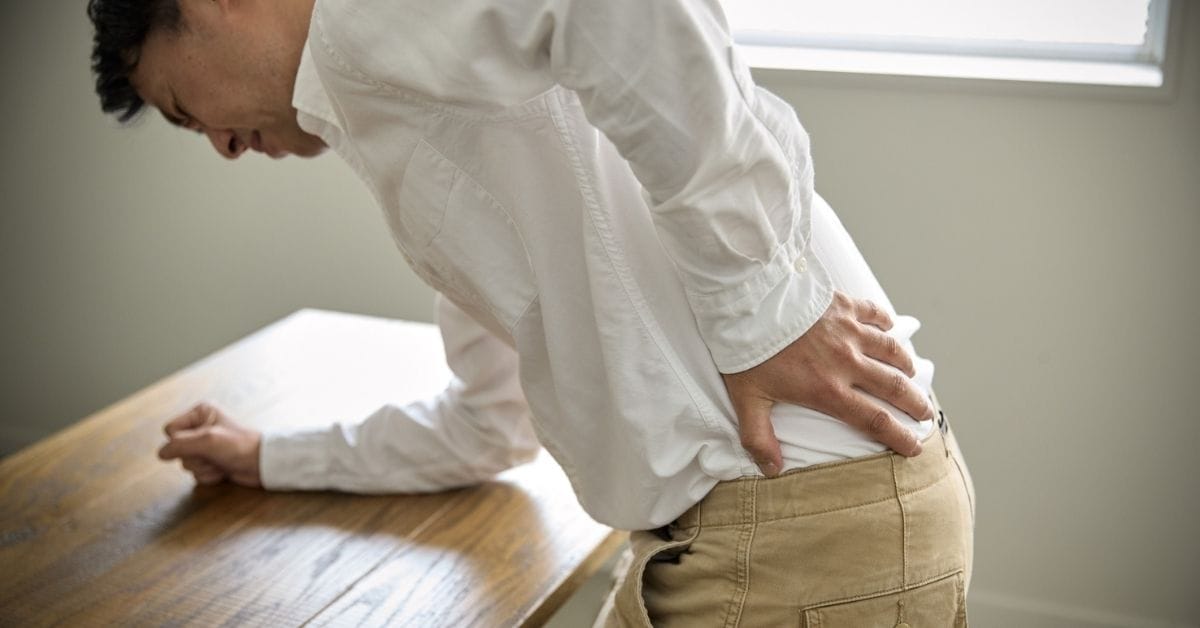
“Knee problems walking” refers to pain, stiffness, instability, swelling, or discomfort that occurs during walking or weight-bearing activities. Some people notice sharp pain with every step, while others experience dull aches, tightness, or weakness that worsens throughout the day.
These symptoms may involve:
- The kneecap area
- The inner or outer knee
- Tendons and ligaments
- Cartilage or joint surfaces
- Muscles supporting the hip and knee
Walking pain can affect people of all activity levels, from runners and gym-goers to adults simply trying to stay active and mobile.
Why It Matters to Movement & Daily Life
Knee pain affects more than just the joint itself. Walking is a foundational movement pattern tied to overall mobility, fitness, and independence.
When walking becomes painful, people often start compensating without realizing it. This may lead to:
- Reduced activity levels
- Limping or altered gait mechanics
- Hip or lower back discomfort
- Muscle weakness from inactivity
- Decreased balance and confidence
Ignoring knee pain can gradually limit daily activities and recreational exercise. Addressing the issue early helps preserve strength, mobility, and long-term joint health.
People who stay active with running, fitness training, or recreational sports may also notice knee pain affecting performance and endurance. Motion RX Health uses performance-focused rehabilitation strategies designed to help patients regain strength, mobility, and movement confidence.

Common Causes for Walking Pain
Patellofemoral Pain Syndrome
Often called “runner’s knee,” this condition causes pain around or behind the kneecap. It commonly worsens with stairs, squatting, or prolonged walking.
Arthritis
Osteoarthritis can create joint stiffness, swelling, and pain during weight-bearing activities. Many people notice discomfort after periods of inactivity or longer walks.
Tendon Irritation
Inflamed tendons, including patellar tendon irritation, may cause pain during walking, jumping, or climbing stairs.
Muscle Weakness & Imbalances
Weak hips, glutes, or quadriceps can increase stress on the knee joint. Poor movement mechanics often contribute to recurring symptoms.
Meniscus Irritation
The meniscus helps cushion the knee joint. Irritation or injury can lead to pain, clicking, swelling, or feelings of instability while walking.
Overuse & Training Errors
Sudden increases in activity, repetitive walking on hard surfaces, or poor recovery habits may overload the knee joint over time.
Athletes and runners experiencing recurring knee pain may also benefit from specialized running physical therapy programs focused on improving movement efficiency, strength, and performance mechanics.
How It Works / What to Expect
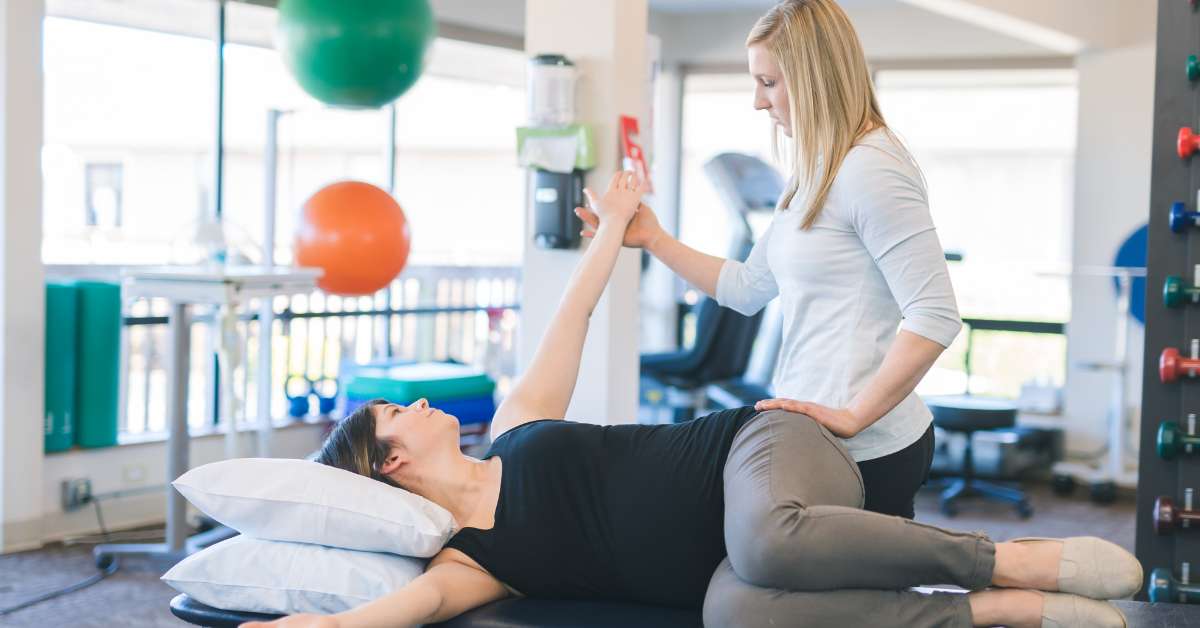
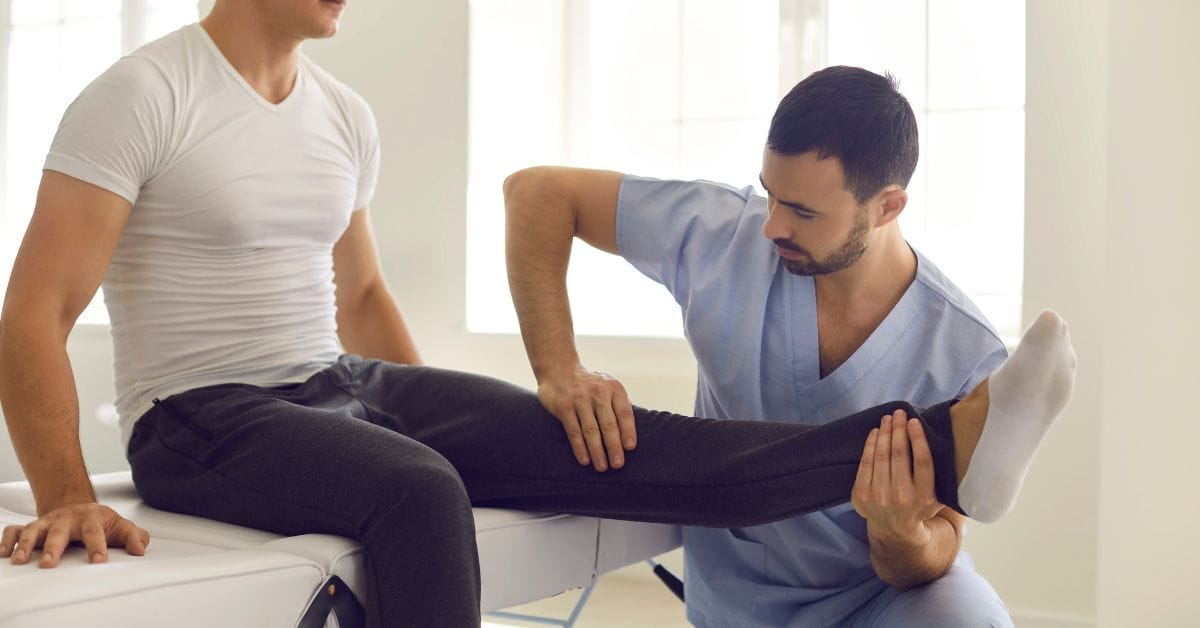
Comprehensive Movement Assessment
A physical therapist evaluates:
- Walking mechanics
- Joint mobility
- Strength deficits
- Balance and stability
- Pain triggers
- Movement compensations
This root-cause assessment helps identify why symptoms developed in the first place.
Personalized Treatment Plan
Treatment may include:
- Strength and stability exercises
- Mobility work
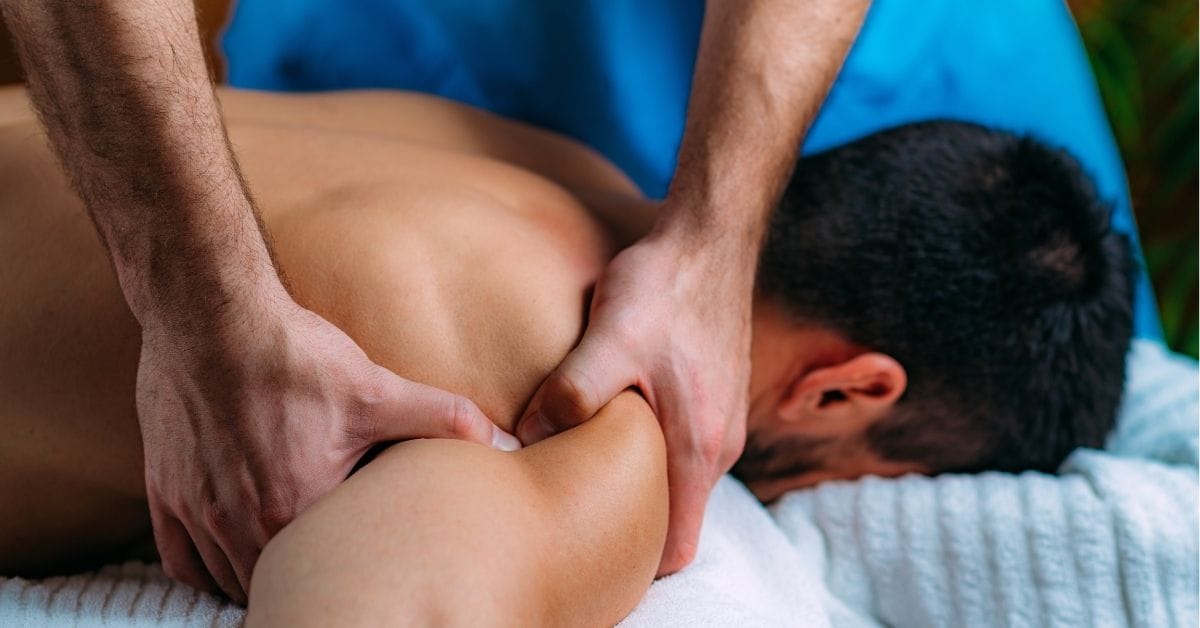
- Manual therapy
- Movement retraining
- Activity modification strategies
- Performance-based progression
Patients looking for knee pain physical therapy in Clearwater often benefit from one-on-one care focused on measurable progress and long-term function.
Motion RX Health also emphasizes individualized treatment sessions, helping patients build confidence while progressing safely back into the activities they enjoy most.
How to Reduce Pain While Walking
Wear Supportive Footwear
Shoes with proper cushioning and support may reduce unnecessary stress on the knees.
Avoid Sudden Activity Spikes
Gradually increasing walking distance or exercise intensity helps prevent overload.
Improve Walking Mechanics
Shorter strides, improved posture, and better hip control can reduce knee stress.
Strengthen Supporting Muscles
Stronger hips and legs help distribute force more effectively during walking.
Use Recovery Strategies
Ice, mobility exercises, and appropriate recovery days may help calm irritated tissues.
Patients recovering from persistent pain may benefit from personalized 1-on-1 physical therapy services that focus on movement optimization and long-term recovery strategies.
Exercises for Long-Term Relief
Glute Bridges
Helps strengthen the glutes and reduce excess stress on the knees.
Step-Ups
Improves lower-body control and walking stability.
Mini Squats
Builds quadriceps strength while encouraging proper knee alignment.
Calf Raises
Supports ankle stability and walking efficiency.
Hip Strengthening Exercises
Improving hip control often reduces abnormal stress transferred to the knee joint.
A physical therapist can help determine which exercises are appropriate based on your symptoms and movement limitations.
Benefits & Considerations
Potential Benefits of Physical Therapy
- Reduced pain during walking
- Improved joint mobility
- Better muscle strength and balance
- Enhanced movement efficiency
- Increased confidence with the activity
- Long-term injury prevention support
Important Considerations
Recovery timelines vary depending on the cause of pain, activity demands, and consistency with treatment. Some conditions improve quickly, while others require gradual strengthening and mobility work over time.
The key is addressing the source of the issue rather than only masking symptoms.
Management and Recovery
Successful recovery often combines symptom management with progressive movement improvement.
This may include:
- Activity modification
- Strength training
- Mobility restoration
- Load management
- Gradual return to exercise or sport
- Ongoing movement education
At Motion RX Health, treatment plans are designed around each patient’s goals, lifestyle, and activity level to help support sustainable, long-term outcomes.
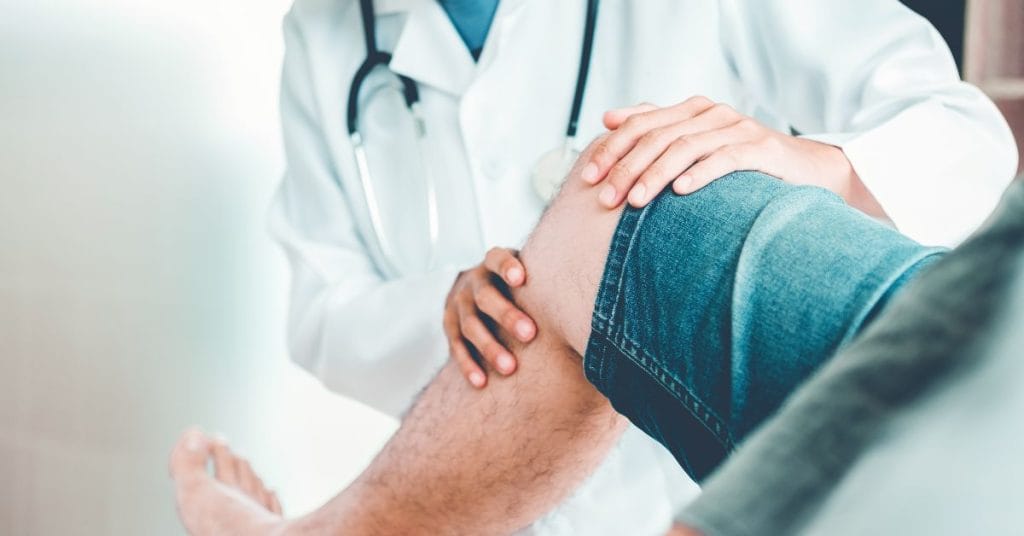
When to See a Doctor
Some symptoms may require medical evaluation sooner rather than later.
Seek professional guidance if you experience:
- Significant swelling
- Knee locking or giving out
- Inability to bear weight
- Persistent pain lasting several weeks
- Fever or redness around the joint
- Severe pain after trauma or injury
When to Seek Physical Therapy
Physical therapy may help if you:
- Feel pain during walking or exercise
- Notice recurring stiffness or swelling
- Have difficulty returning to activity
- Feel unstable or weak during movement
- Want to improve strength and mobility safely
Early intervention can often help prevent worsening symptoms and improve overall recovery outcomes.
Frequently Asked Questions
Can walking cause knee problems?
Yes. Excessive walking, poor footwear, muscle weakness, or improper movement mechanics can contribute to knee irritation and overuse injuries. However, walking itself is not always the problem; how the body moves and absorbs force matters significantly.
When should you worry about knee-walking?
You should pay attention if knee pain becomes persistent, worsens over time, causes instability, or limits daily activities. Swelling, locking, or inability to bear weight are also important warning signs.
How to strengthen knee joints?
Strengthening the muscles surrounding the knee, including the quadriceps, hamstrings, glutes, and calves, can improve joint support and movement efficiency. A structured strengthening plan tailored to your needs is often most effective.
What is a red flag in knee pain?
Red flags may include severe swelling, inability to walk, locking of the joint, fever, redness, or sharp pain following trauma. These symptoms may require immediate medical attention.
Final Thoughts and Recap
Knee pain while walking can interfere with exercise, mobility, and everyday life, but it is often highly manageable with the right approach.
- Walking-related knee pain commonly stems from strength deficits, joint irritation, or movement issues.
- Personalized care can help identify and treat the root cause.
- Strength and mobility improvements support long-term recovery.
- Early treatment may help prevent chronic pain and movement limitations.
- Consistent rehabilitation supports a healthier, more active lifestyle.
Scheduling an evaluation if knee pain is limiting your movement or keeping you from the activities you enjoy